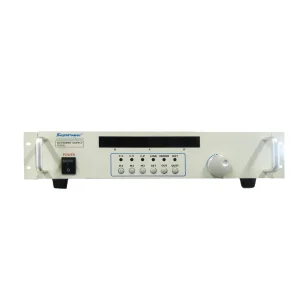
Industrial Smart Meter Calibration Power Equipment
Premium frequency converters and adjustable power sources optimized for factory test benches and metrology verification.
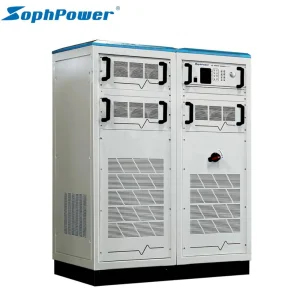
AFC-375 3 phase 50 to 60hz frequency converter and ac power source 75kVA
View Details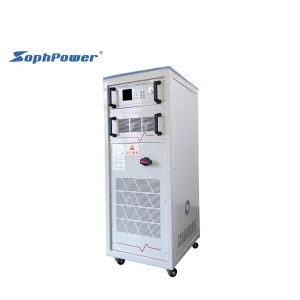
600v 50a adjustable dc regulated power supply
View Details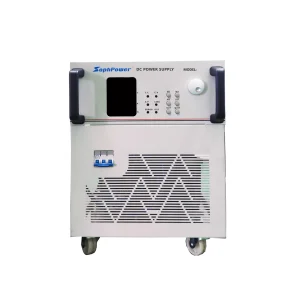
60V 200A laboratory dc switching power supply
View Details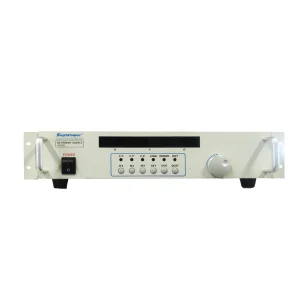
1500V 1A programmable dc regulated power supply
View Details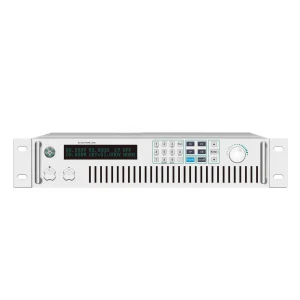
Programmable Dc Electronic Load 500V120A4800W
View Details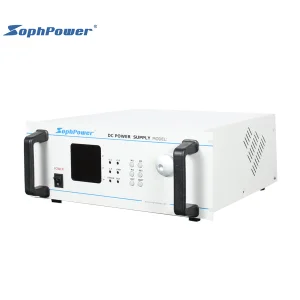
2000v 1a High Voltage Programmable Dc Power Supply with RS485
View Details
600v 2a programmable dc power supply
View Details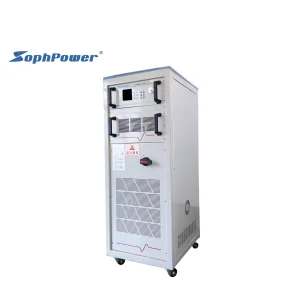
100v 300a programmable dc power supply variable
View DetailsGlobal Trends in Smart Grid & Smart Meter Technology
The transformation of Advanced Metering Infrastructure (AMI) in modern decentralized grids.
Grid Decarbonization & Bidirectional Metrology
As microgeneration and residential solar systems multiply, smart meters must deliver precise bidirectional metering. Custom OEM smart meter factories are designing solutions that monitor feed-in tariffs with sub-second accuracy to balance local grids.
Security & Zero-Trust AMI Protocols
Modern grid operators treat smart meters as network endpoints. Factories are embedding hardware secure elements (HSMs), asymmetric encryption keys, and mutual authentication methods to prevent critical grid data manipulation or cybersecurity intrusion.
Next-Gen IoT Communication Modules
Smart meters now feature dynamic swap communication slots, accommodating hybrid RF, NB-IoT, Cellular 5G, and Wi-SUN. This modularity ensures compatibility across diverse urban landscapes, reducing lifetime operational expenditures (OPEX) for utility firms.
About Shenzhen Sophpower Electronics
Expert Engineering Team Designing High-Precision Test Equipment for Custom Smart Meter Production Lines.
Established in 2006 in Shenzhen, China, Shenzhen Sophpower Electronics Co., Ltd. is a high-tech manufacturing pioneer in testing power supply technologies. The integrity of any smart meter depends on the precision of its testing and calibration. Sophpower has spent over 18 years engineering specialized AC Power Sources, Linear AC Power Sources, Bidirectional AC/DC Power Sources, Adjustable DC Supplies, Voltage Regulators, and Industrial UPS.
OEM Smart Meter factories worldwide require ultra-stable, low-distortion, programmable power systems to simulate complex harmonic environments, voltage sags, swells, and transient shifts. By ensuring that smart meter calibration benches are backed by world-class power stability, Sophpower enables manufacturers to meet strict metrology tolerances under MID, ANSI, and IEC guidelines.
| Parameters | Sophpower Performance Specs | Industry Standard Benchmarks |
|---|---|---|
| Voltage Stability | < 0.1% Full Scale | < 0.5% Full Scale |
| Frequency Range | 45 Hz - 500 Hz (Programmable) | 50 Hz / 60 Hz (Fixed) |
| THD (Total Harmonic Distortion) | < 0.3% (Linear Mode) | < 2.0% Standard Grid |
| Communication Interfaces | RS485, GPIB, LAN, Analog control | RS232 Only |
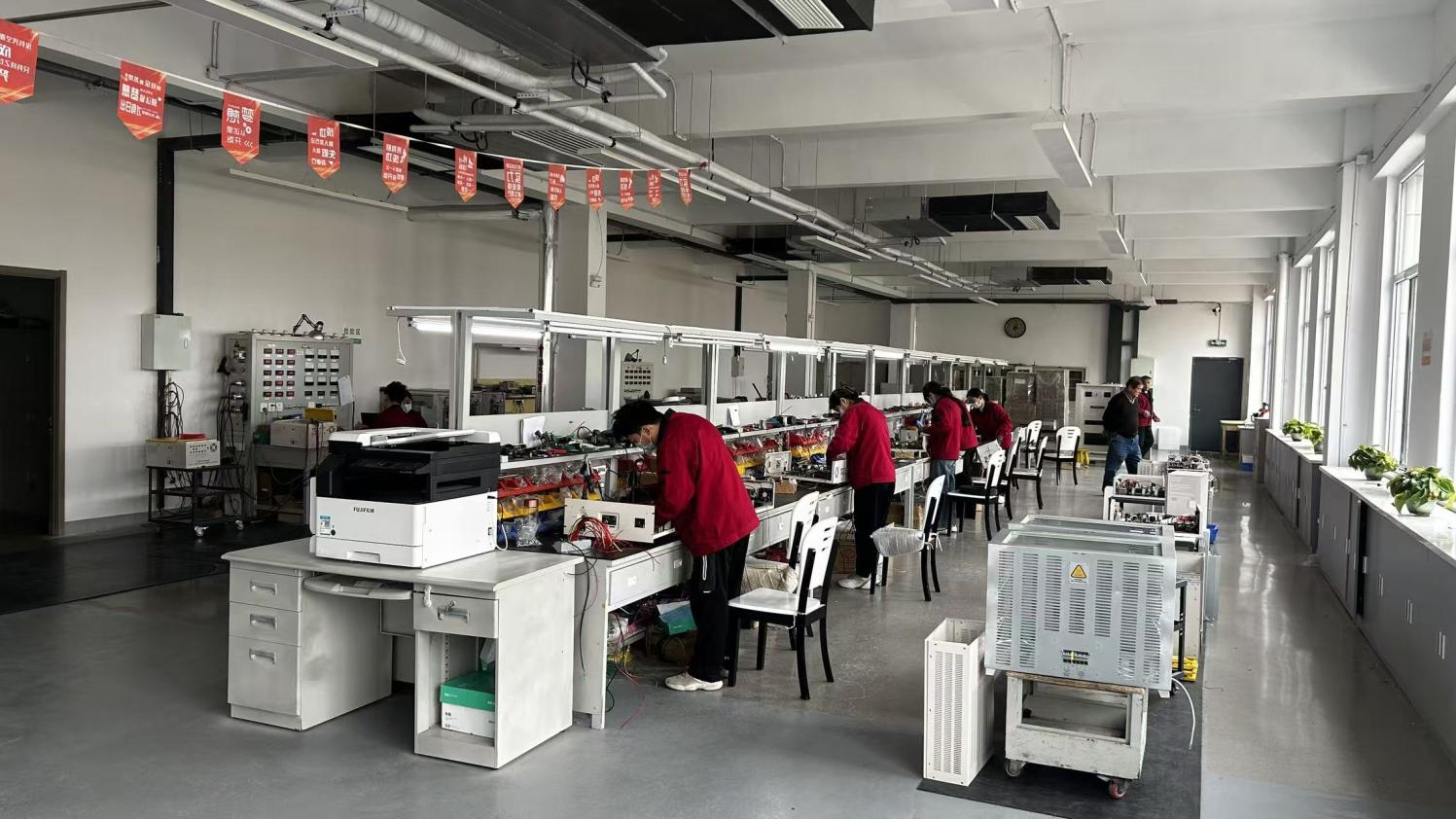
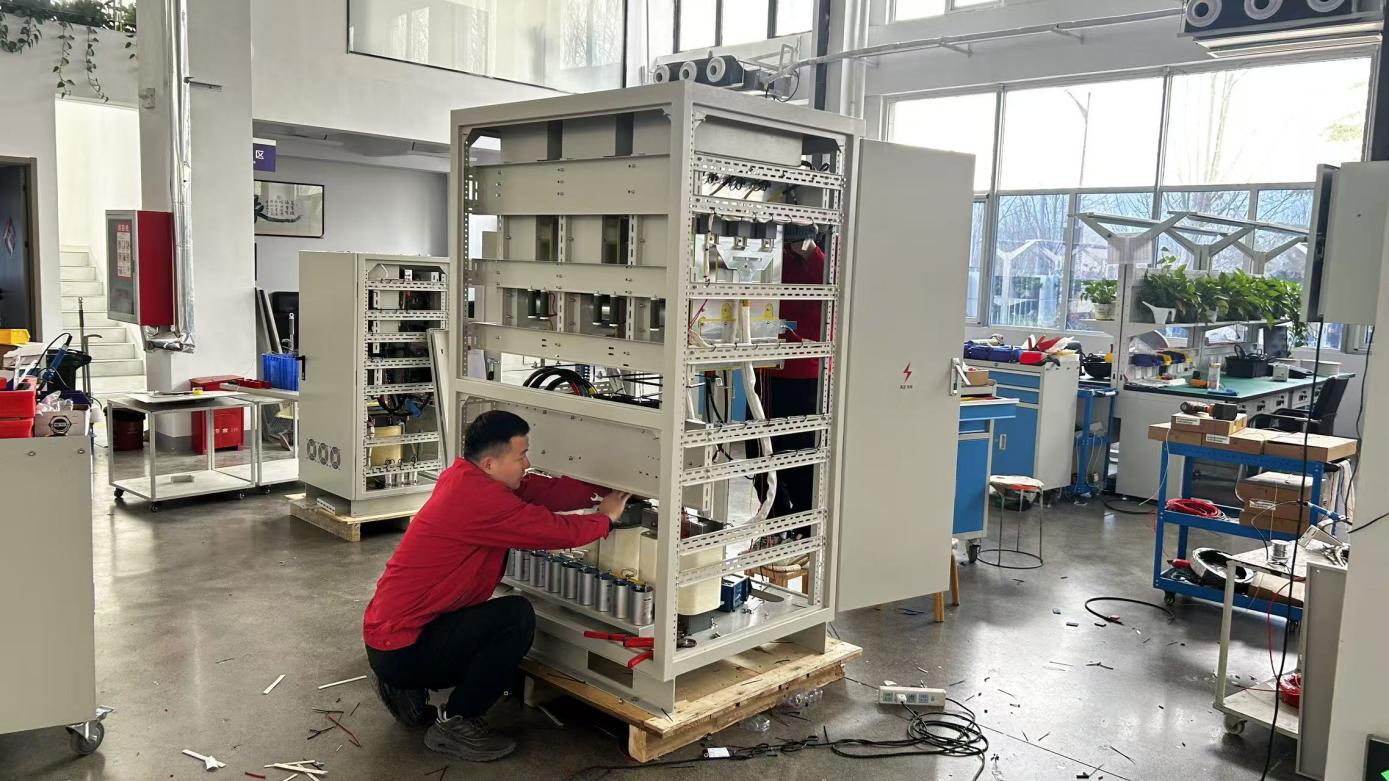
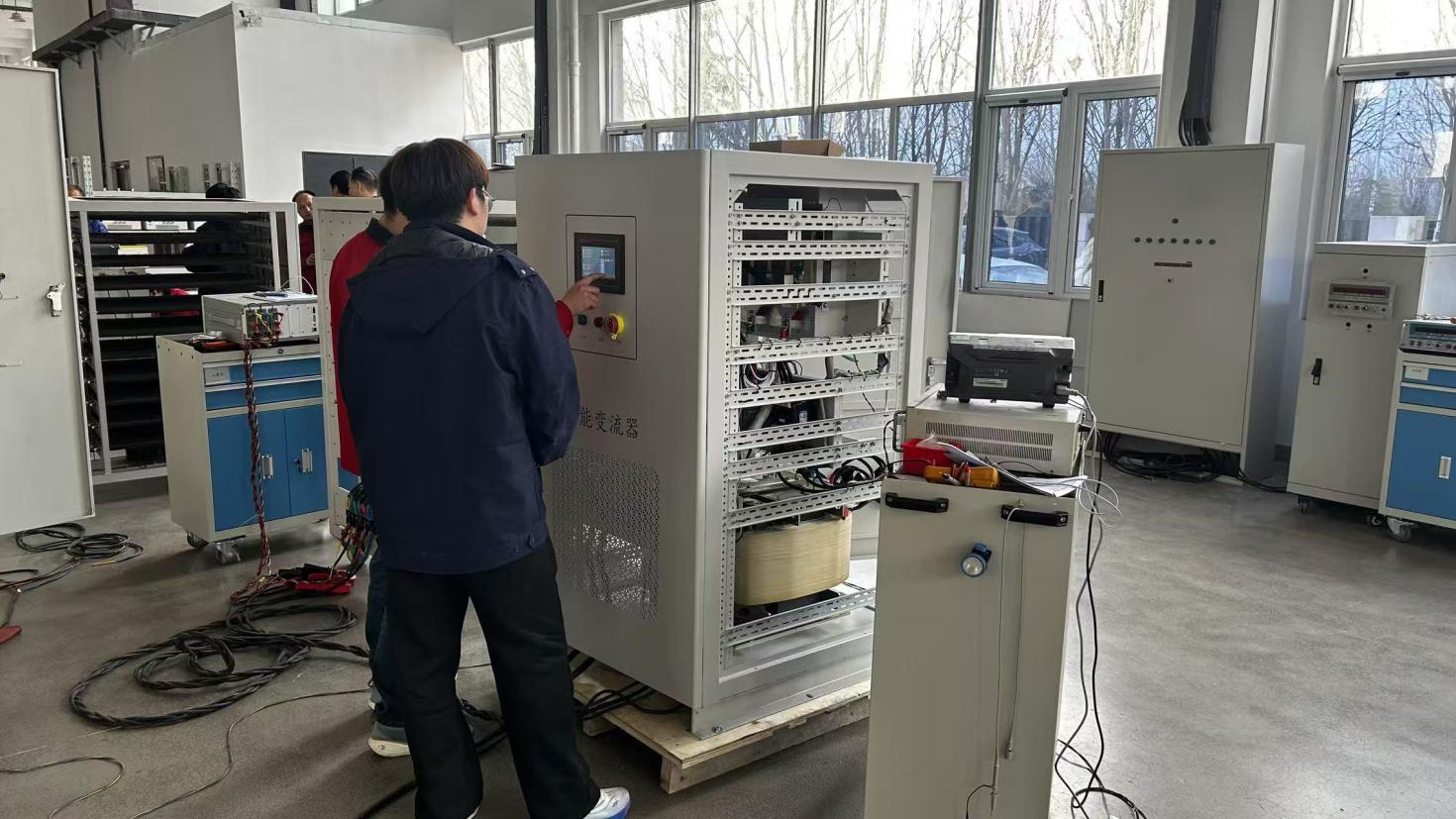
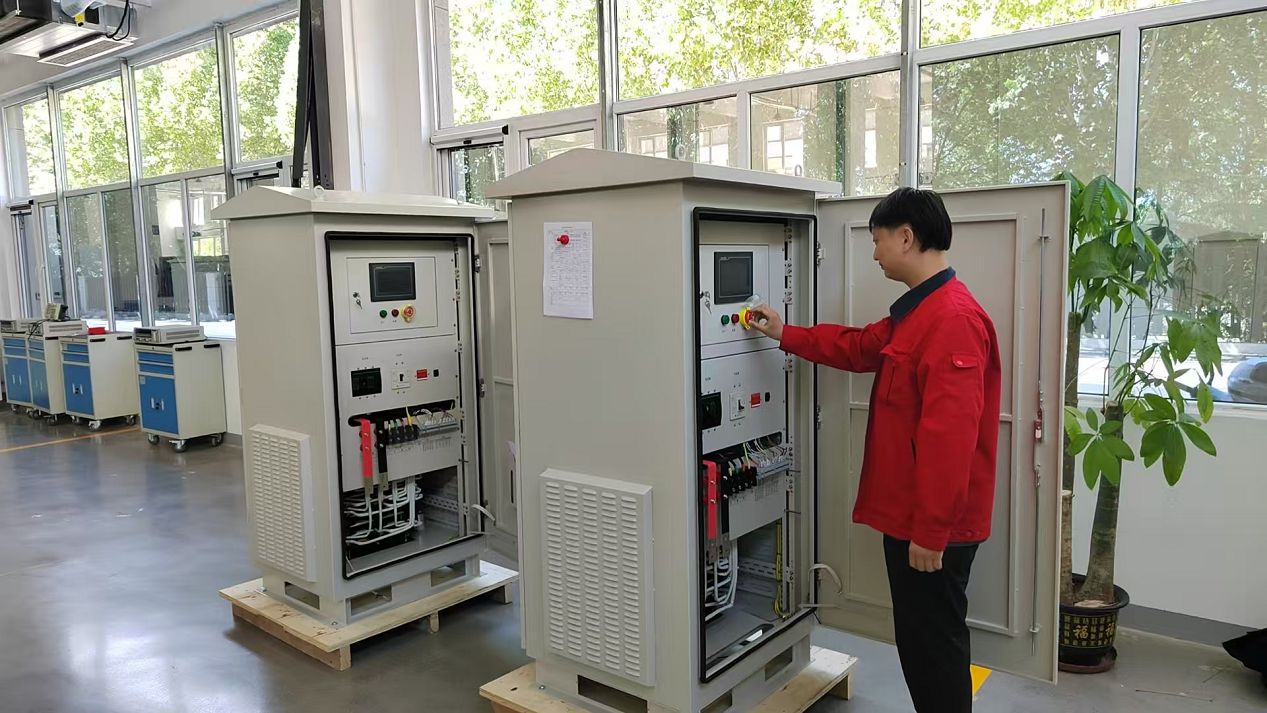
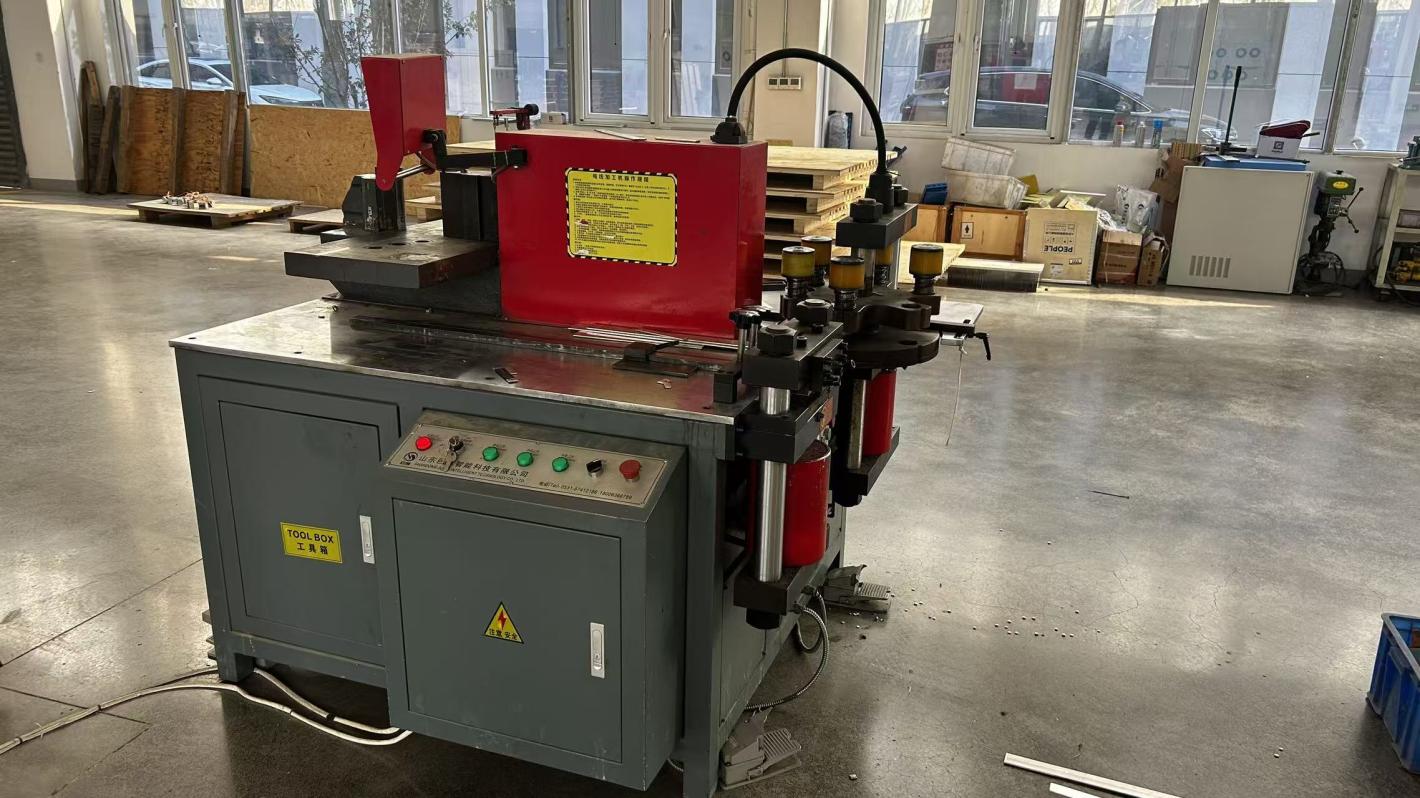
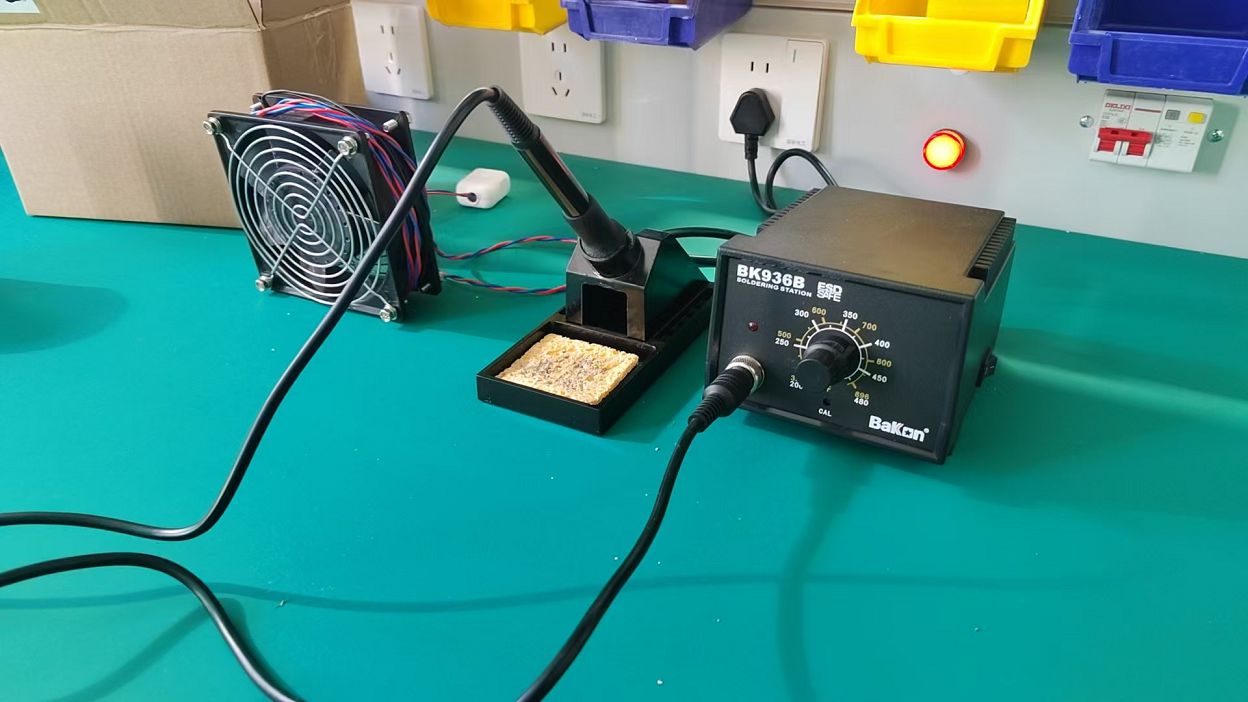
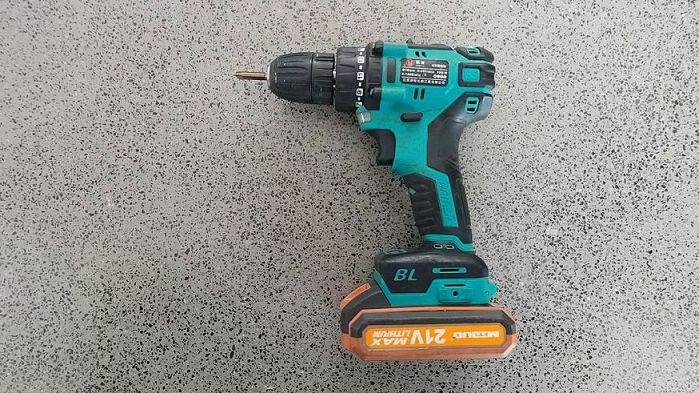
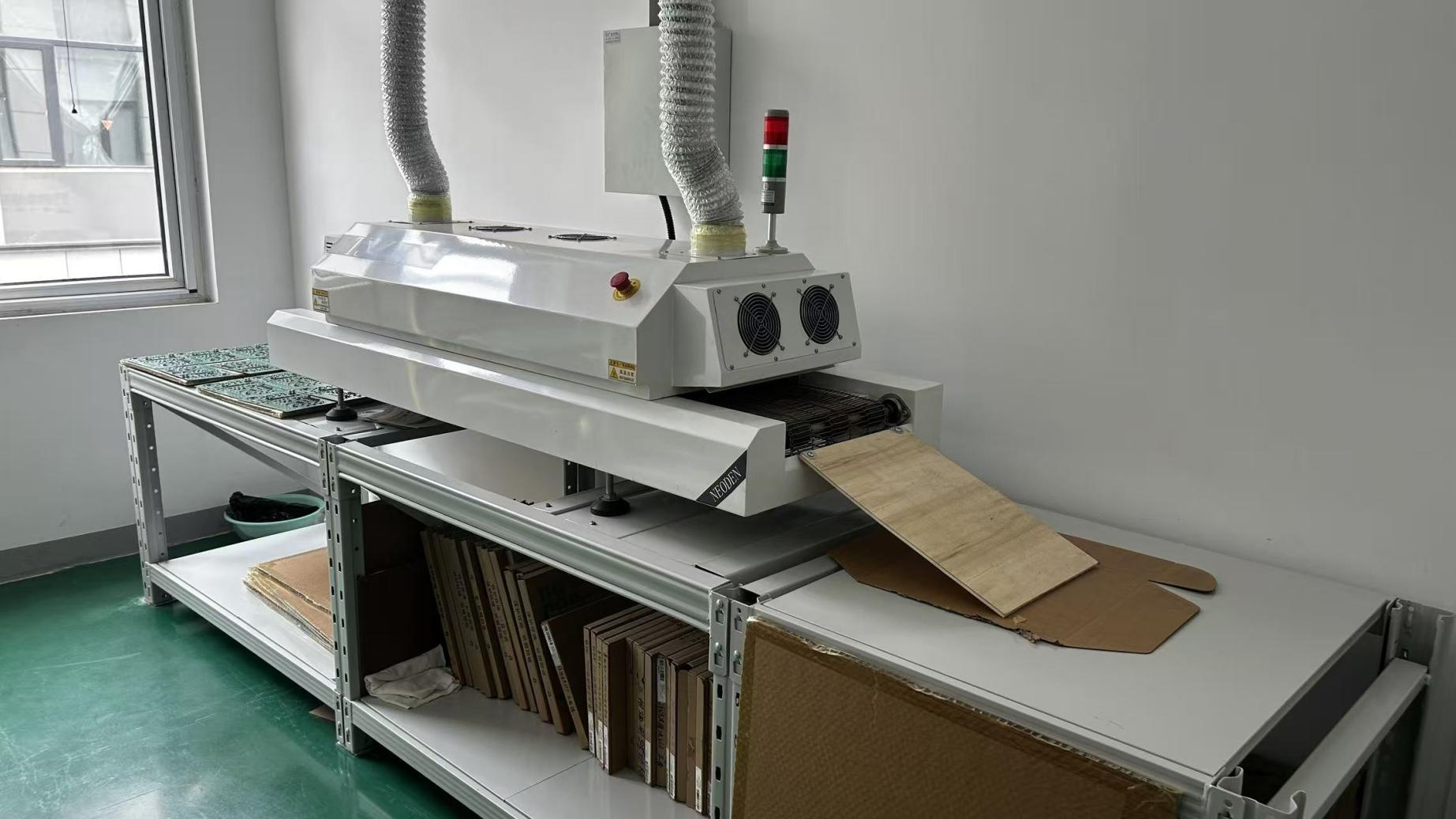
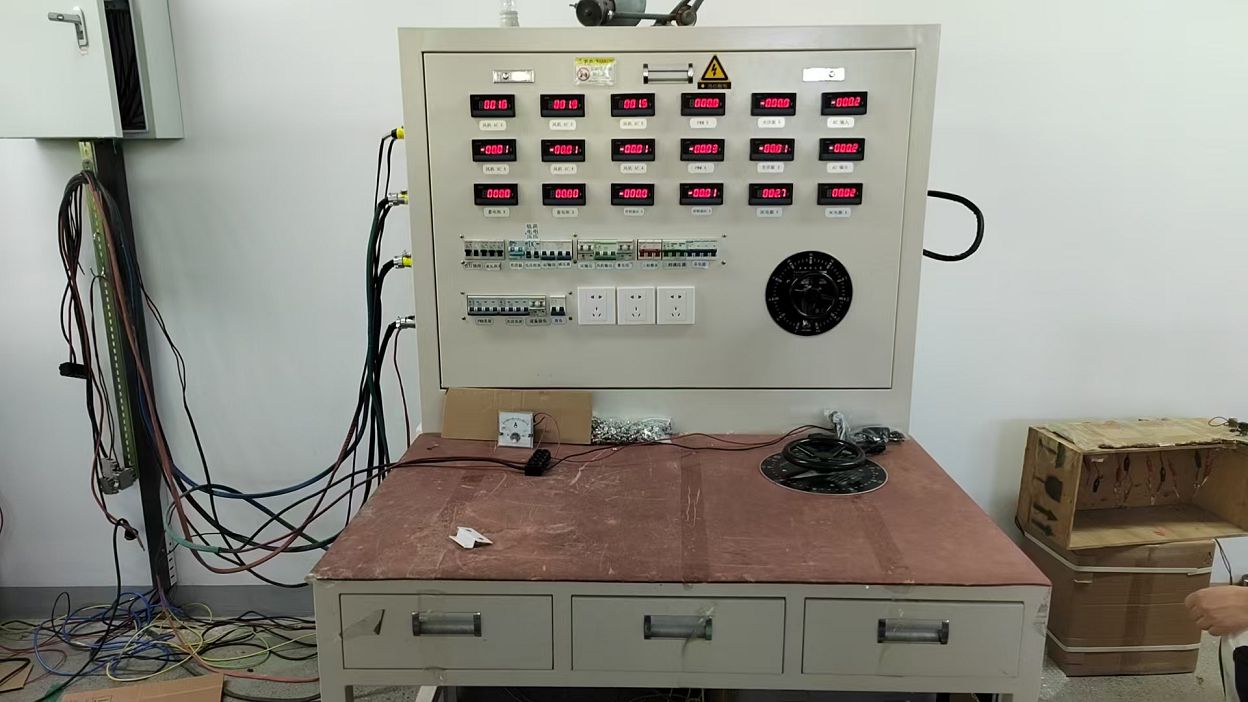
In-House Manufacturing & debugging Process
A peek inside our advanced Shenzhen facility displaying core assembly and production lines.
Global Enterprise Smart Meter Procurement Requirements
Navigating technical and regional compliance parameters for international utility tenders.
Standards & Metrological Accreditation
Procuring entities require strict alignment with international safety and precision norms. Smart meters must fulfill MID (Measuring Instruments Directive 2014/32/EU) in Europe, ANSI C12.20 in North America, and IEC 62053 series internationally. Calibrating meters to these specifications requires highly stable test power converters to guarantee performance accuracy at varying loads.
Total Cost of Ownership (TCO) & MTBF
Smart meters operate in aggressive climates for upwards of 15 to 20 years. Standard specifications require a Mean Time Between Failures (MTBF) exceeding 1,000,000 hours. High-quality switch-mode DC power boards within the meters must resist wide heat envelopes, overvoltage disturbances, and electrical line surges.
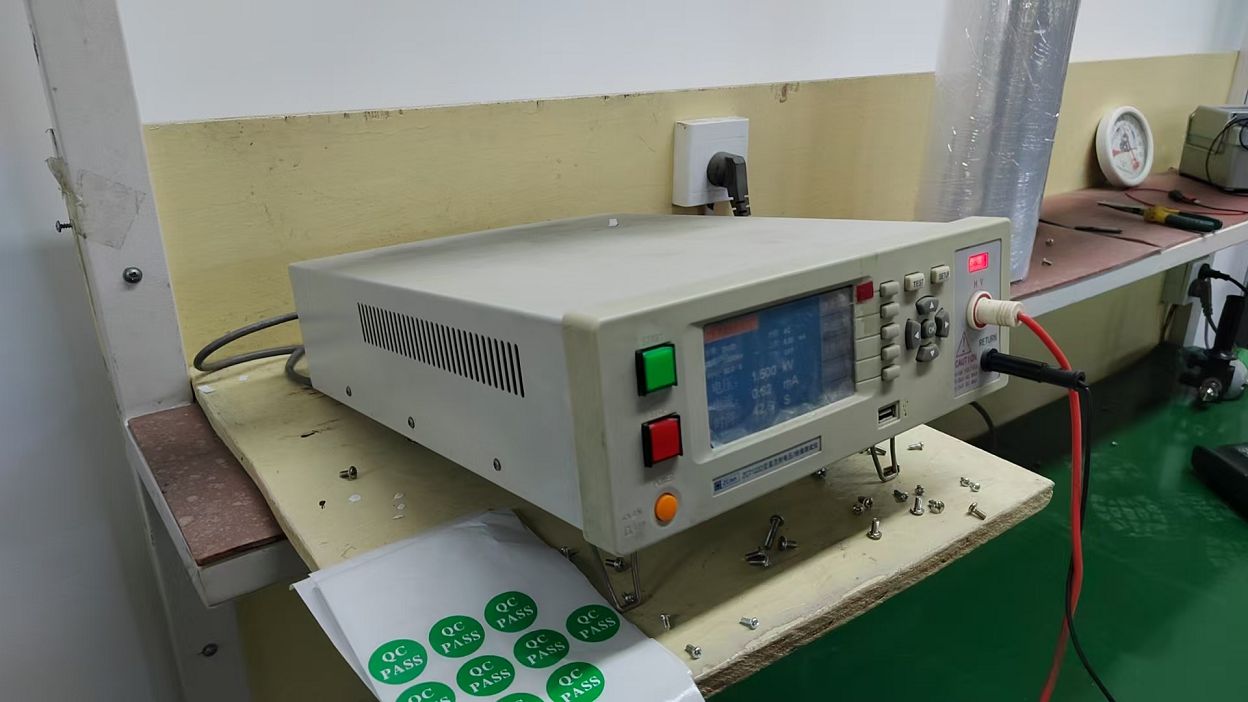
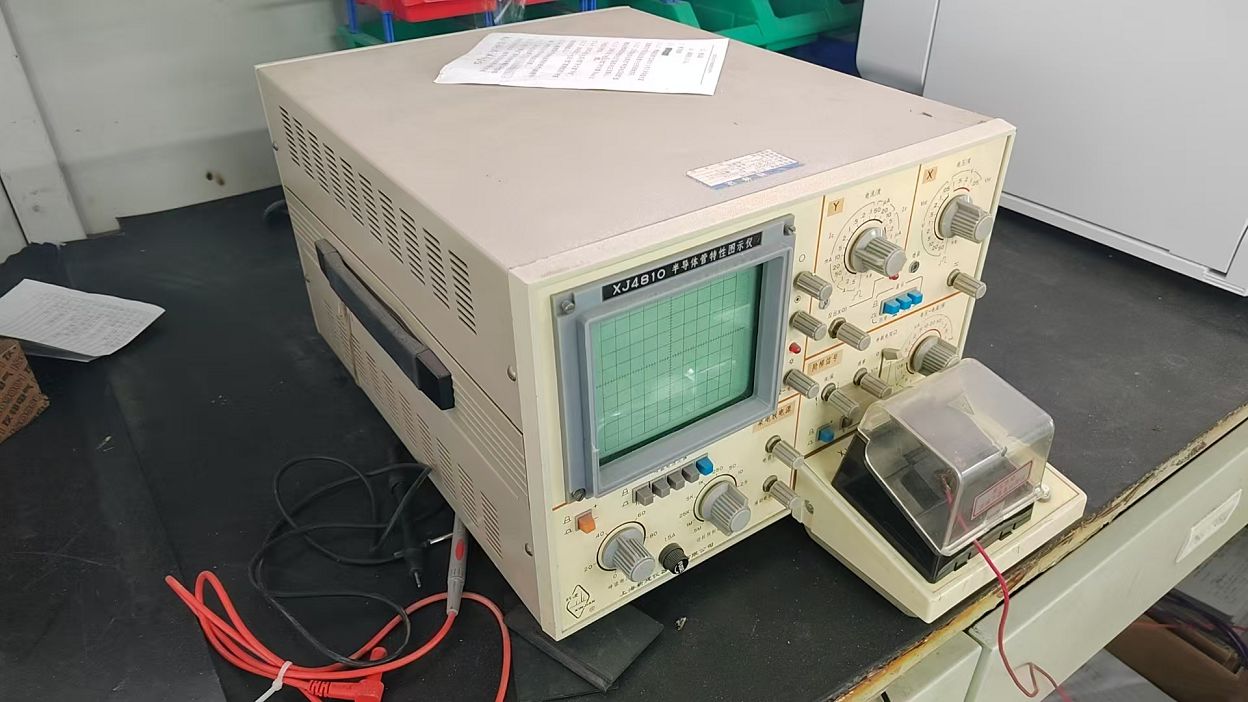
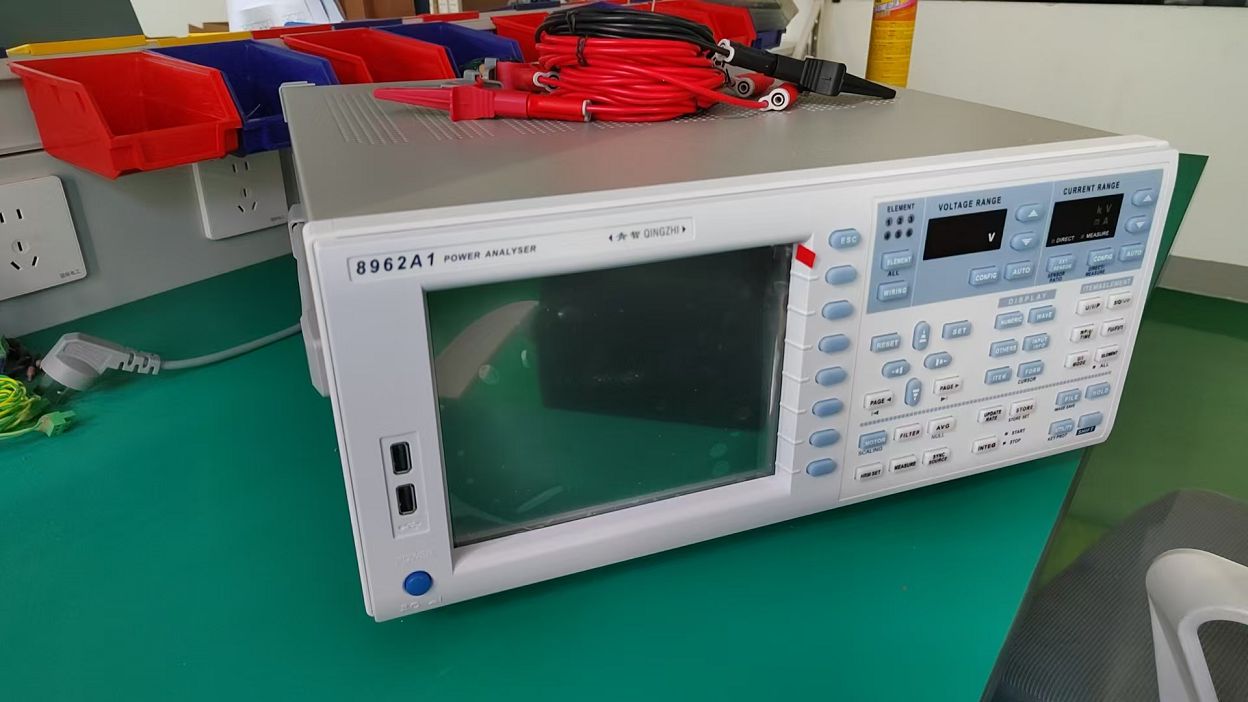
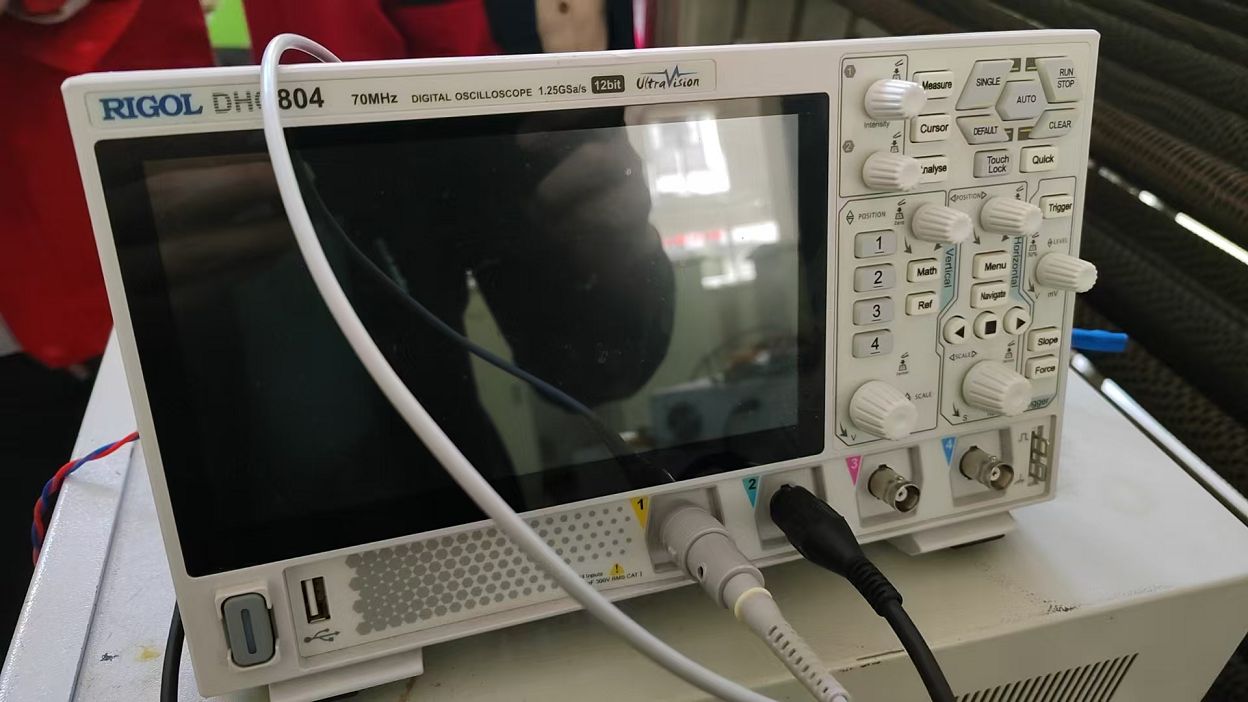
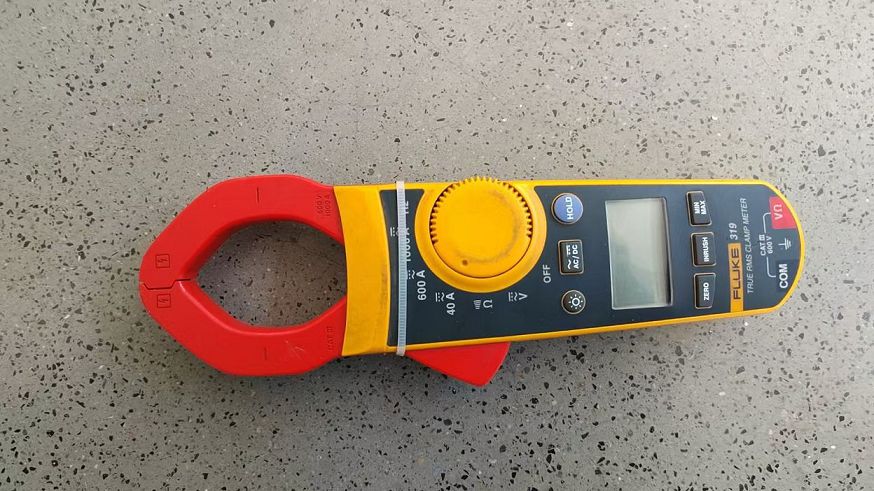
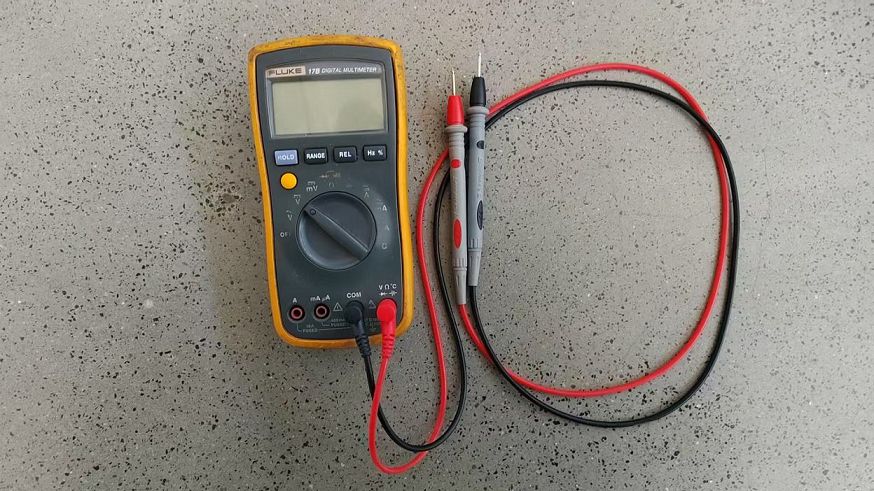
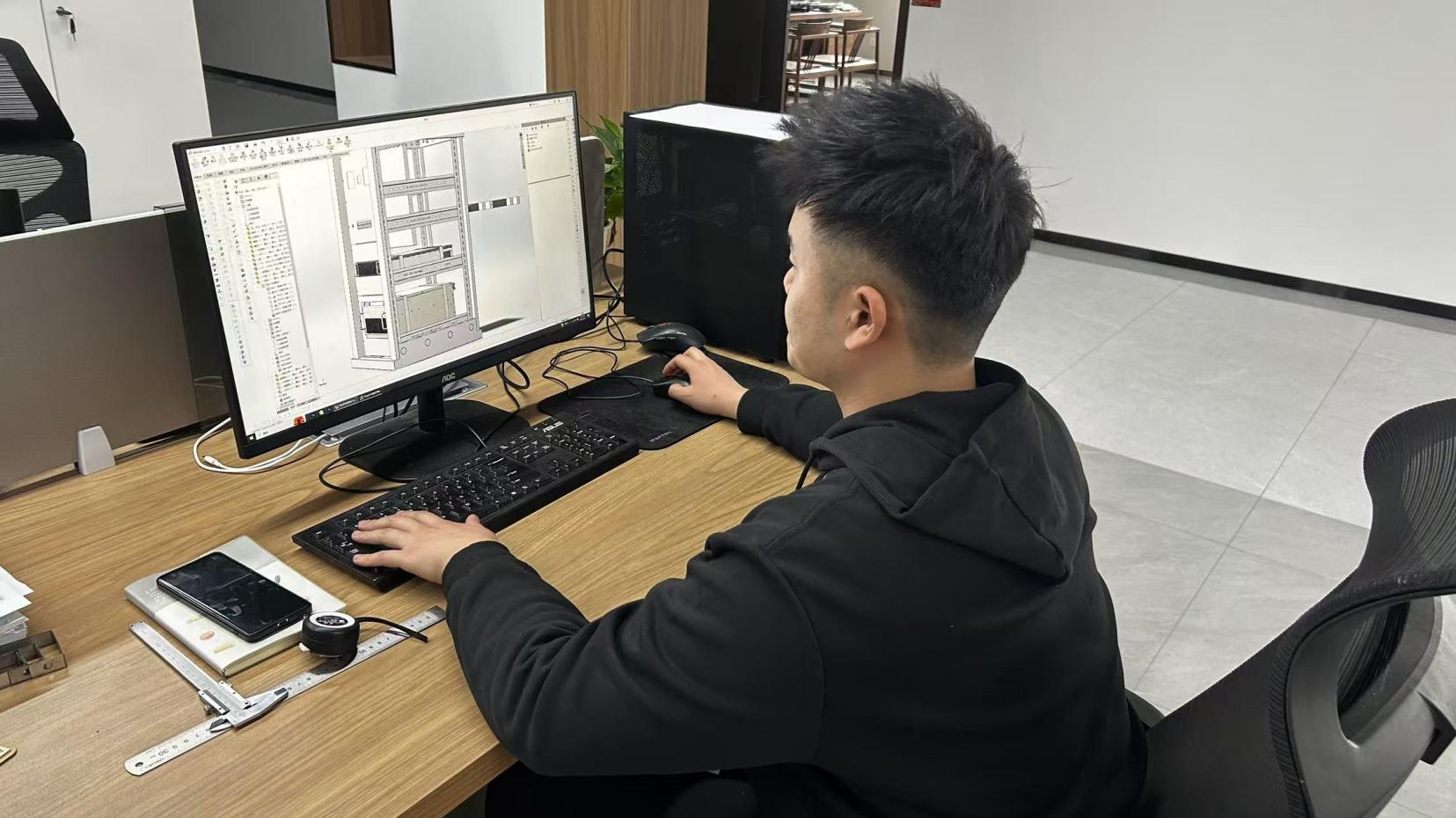
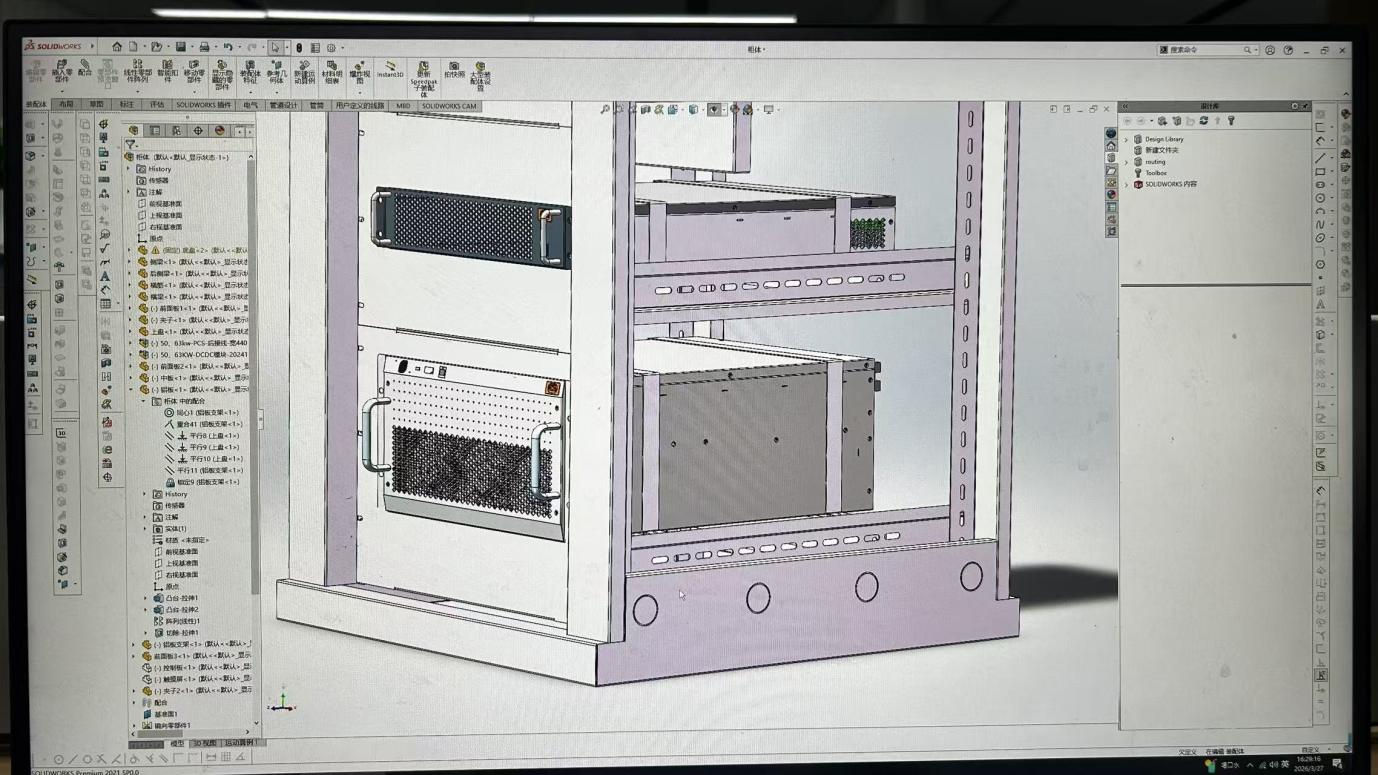
Advanced Metrology Labs & Testing Instruments
Utilizing high-grade diagnostic tools to verify structural limits, frequency response, and waveform fidelity.
Technology Roadmap & Next-Gen Smart Grid Solutions
Designing power infrastructure resilient enough to withstand future decentralization and complex loads.
Solid-State Metering (Shunt & CT)
Modern OEM lines shift from classic electromagnetic setups to ultra-thin current transformer (CT) or resistive shunt sensors. Shunt systems prevent magnetic tampering, an essential safety measure in global urban grid installations.
DLMS/COSEM Interoperability
Different hardware suppliers must communicate on the same network. We align our manufacturing setups with DLMS/COSEM software frameworks to verify that third-party utilities retrieve billing packets seamlessly.
AI Edge Compute Integration
Emerging smart meters incorporate low-power neural processors. This allows them to run local machine learning algorithms, forecasting real-time household consumption patterns and optimizing decentralized grid loads.
Expert FAQ: OEM Smart Meter Factories & Test Power Equipment
Addressing critical compliance, engineering capabilities, and metrological calibration queries.
High Voltage & Programmable DC Power Supplies
Premium lab-grade testing instruments to analyze smart meter component limits and transient protection circuits.
400v 100a Variable Dc Output Power Supply
View Details
150V 20A programmable variable dc power supply
View Details
1500v 20a high voltage programmable dc power supply
View Details
100KW 200v 500A variable dc power supply
View Details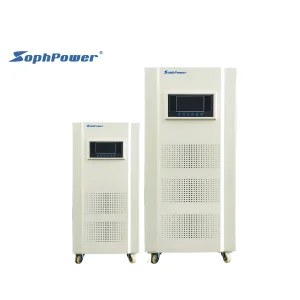
600kVA 3 phase voltage regulator stabilizer
View Details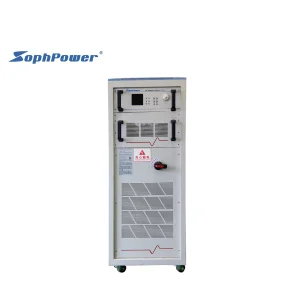
1000v 100 Amp Programmable Dc Power Supply
View Details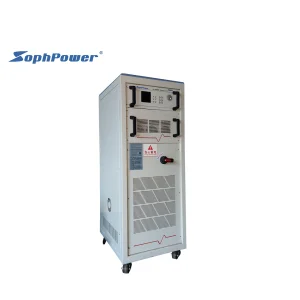
LED display 30kw 240v dc power converter supply
View Details