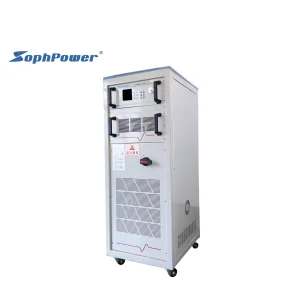
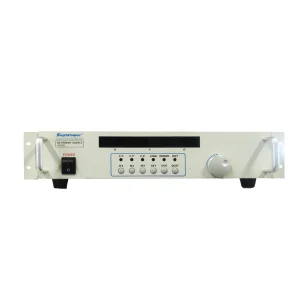
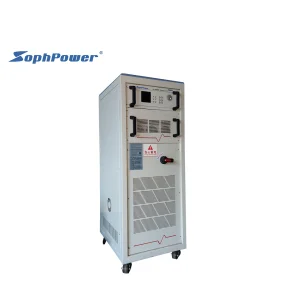
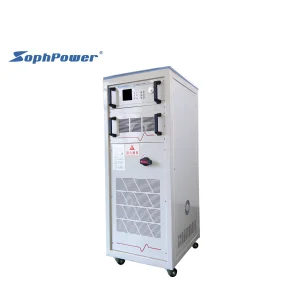
Premium High-Power Test Equipment & Regulators
Explore our core selection of customizable testing systems, designed for precision calibration and current transformer evaluation environments.
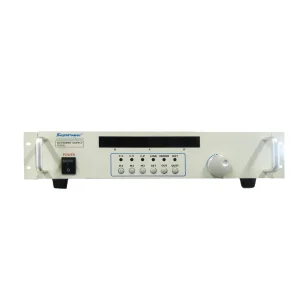
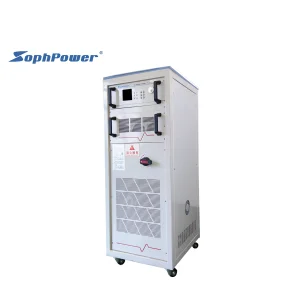
An Analytical Overview of the Current Transformer Industry in China
Current transformers (CTs) serve as the foundation of modern electrical infrastructure, ensuring that high-voltage electrical currents are converted into manageable, measurable secondary signals. They are critical for metering, relay protection, grid balancing, and real-time power analytics. In the current era of smart-grid deployment, the demand for highly reliable, precision-engineered current transformers is growing exponentially.
China has emerged as a global hub for electrical and electronic components, hosting some of the world's most advanced manufacturing plants for current transformers, instrument transformers, and heavy-duty testing apparatus. Leading manufacturers combine materials science, automated assembly line systems, and strict testing protocols to produce current transformers that comply with international standards such as IEC 61869-2, IEEE C57.13, and ANSI.
Why Sourcing from Leading Chinese Manufacturers Matters
Sourcing current transformers directly from verified Chinese manufacturers provides a clear competitive edge for global EPCs (Engineering, Procurement, and Construction contractors), utility organizations, and original equipment manufacturers (OEMs). The key advantages lie in:
- Advanced Core Material R&D: Utilizing premium grade Oriented Silicon Steel, Nanocrystalline, and Permalloy (Nickel-Iron alloy) cores to lower excitation current and eliminate magnetic saturation issues.
- Optimized Accuracy Classes: Capability to manufacture 0.1, 0.2, 0.2S, and 0.5S class metering current transformers with exceptional linearity across a wide range of currents.
- Advanced Calibration Instrumentation: Access to professional-grade testing arrays to verify turns ratio, winding resistance, phase displacement, excitation characteristics, and dielectric strength.
Innovative Trends Shaping the Current Transformer Ecosystem
As power systems transition towards digital substations, the traditional electromagnetic current transformer is evolving. Electronic Current Transformers (ECTs) and LPITs (Low-Power Instrument Transformers), including Rogowski coil and optical sensor topologies, are gaining market share. These advanced variants offer immunity to magnetic core saturation, high bandwidth, and digital output formats (e.g., compliant with IEC 61850-9-2), making them ideal for high-voltage and medium-voltage protection relaying.
In tandem, manufacturing lines are utilizing automated winding machines and sophisticated epoxy resin vacuum casting systems to ensure void-free insulation, protecting the winding from moisture ingress and insulation breakdown during prolonged over-voltage scenarios.
Corporate Profile: Shenzhen Sophpower Electronics Co., Ltd.
Leveraging engineering experience since 2006 to deliver customized test power supplies and diagnostic tools.
Established in 2006 and based in Shenzhen, China, Shenzhen Sophpower Electronics Co., Ltd. is a high-tech enterprise focusing on sustainable and rapid growth. Our team of experienced technical engineers has a rich history in the testing power supply industry.
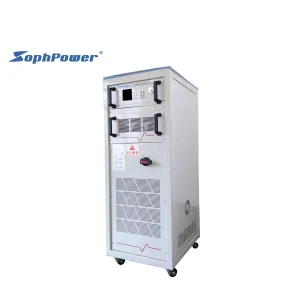
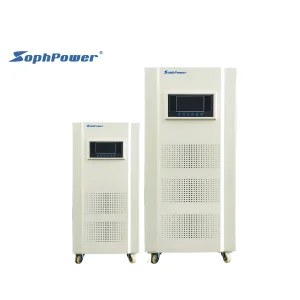
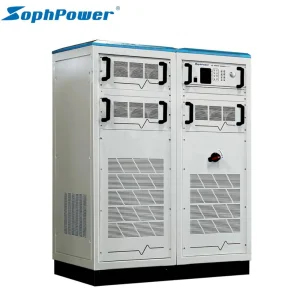
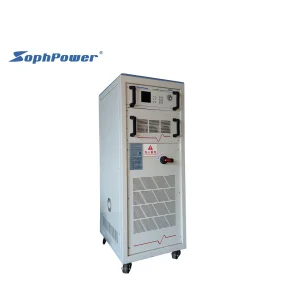
Sophpower's core portfolio consists of highly sophisticated power equipment including AC Power Sources, Linear AC Power Sources, Bidirectional AC Power Sources, DC Power Supplies, Bidirectional DC Power Supplies, Voltage Regulators, and UPS systems.
By designing and delivering custom-engineered test power supplies, we enable current transformer manufacturers and metrology labs to conduct complex tests such as primary injection testing, saturation curves, excitation limits, and heat-run tests on heavy-duty electrical components.
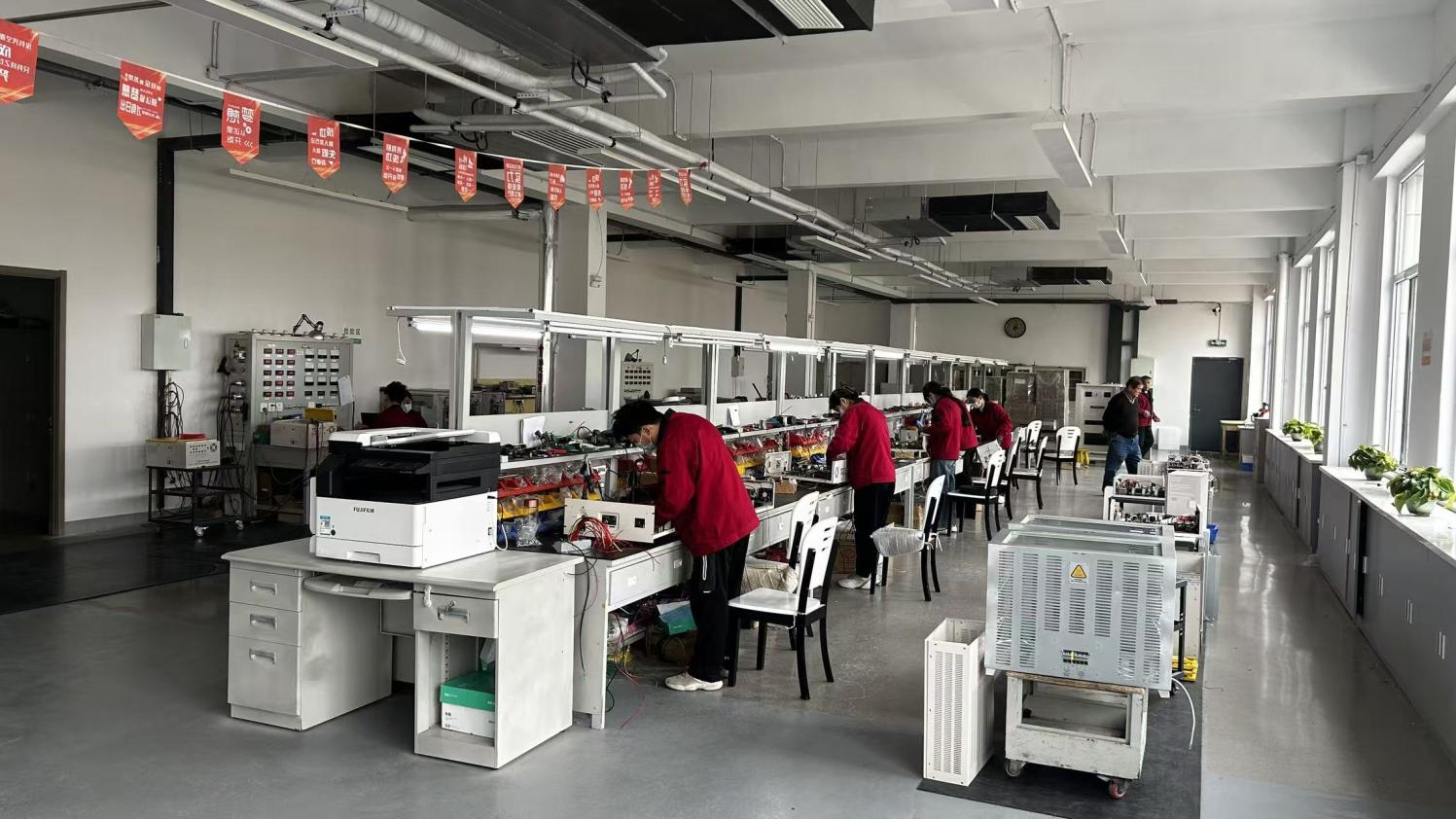
Industrial Production & Calibration Capabilities
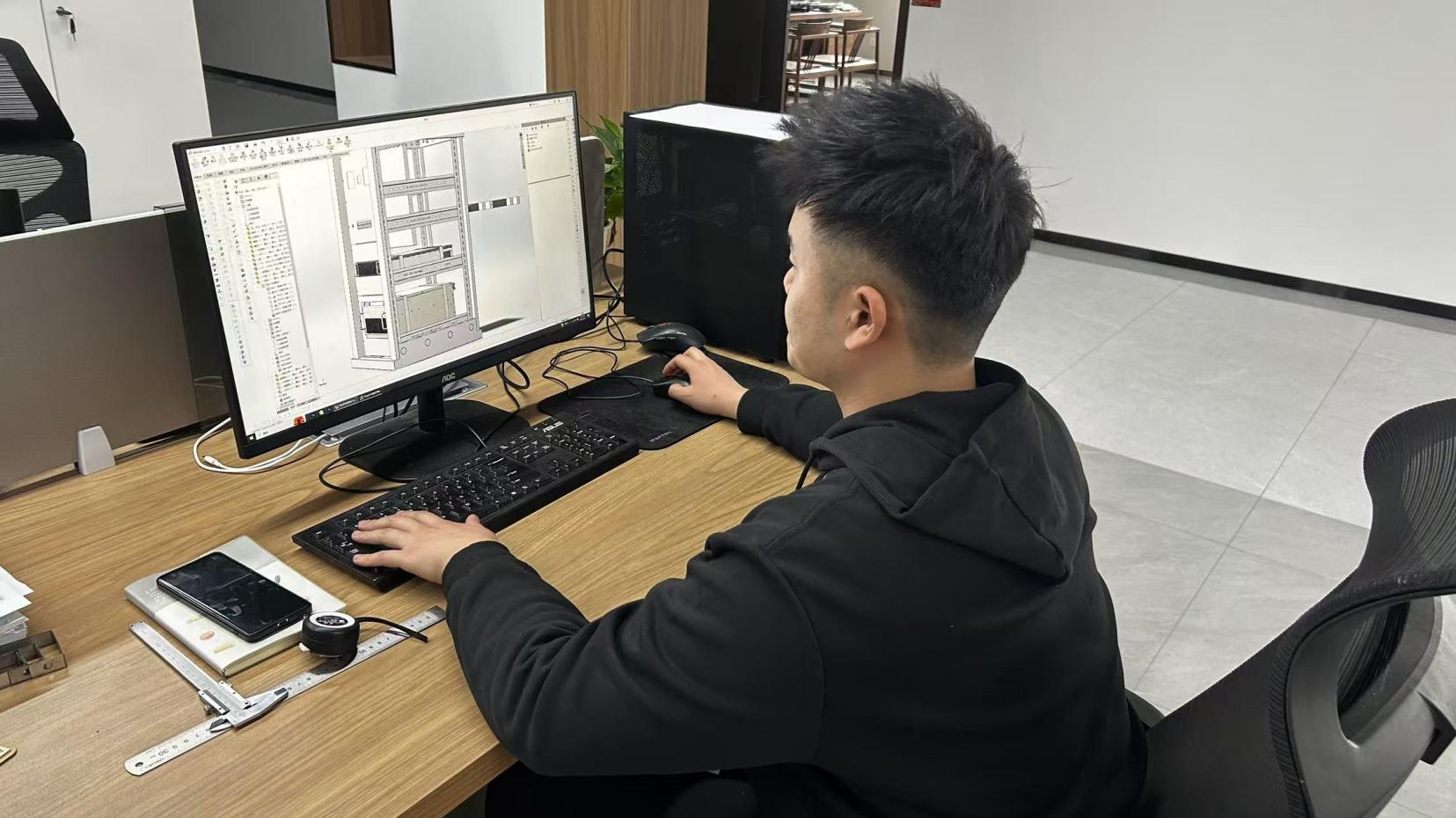
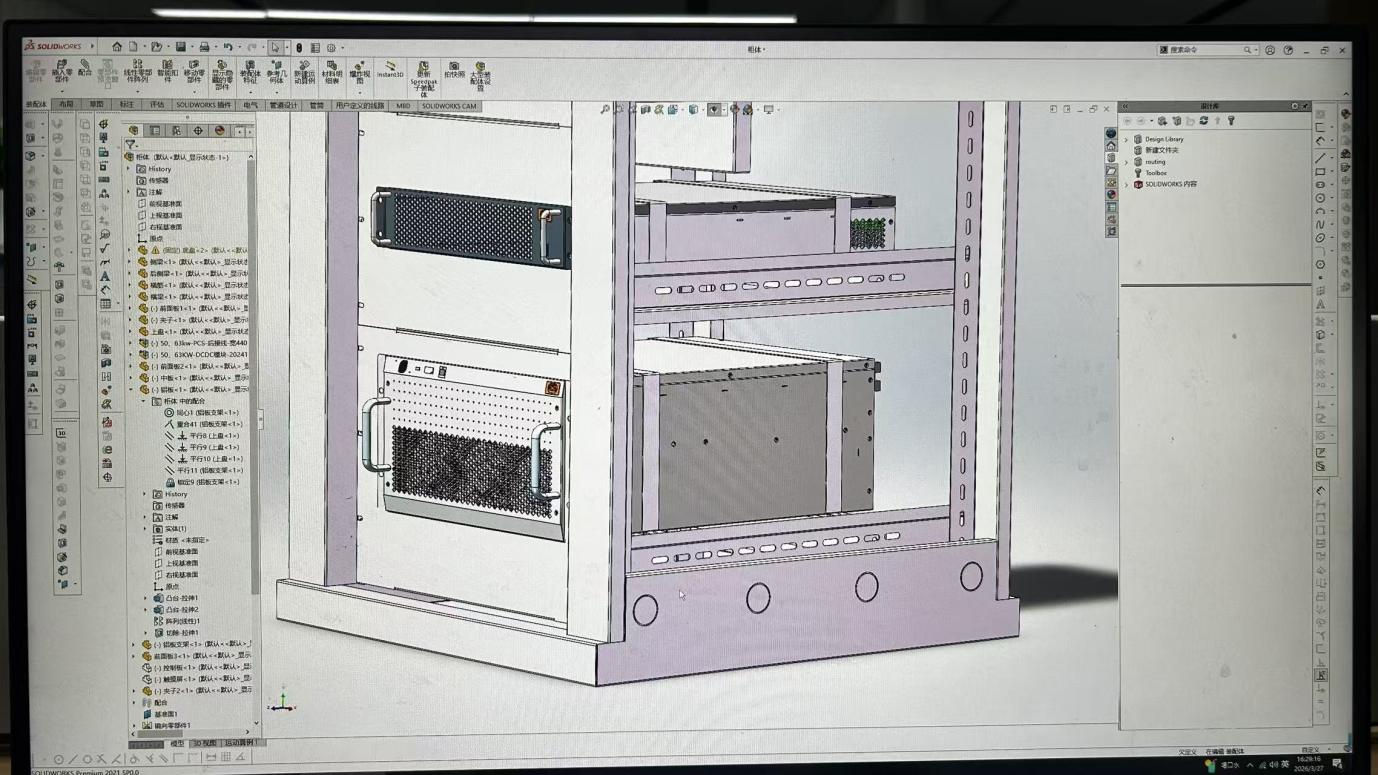
Inside our state-of-the-art facility, showing how precise engineering translates to reliable components and testing platforms.
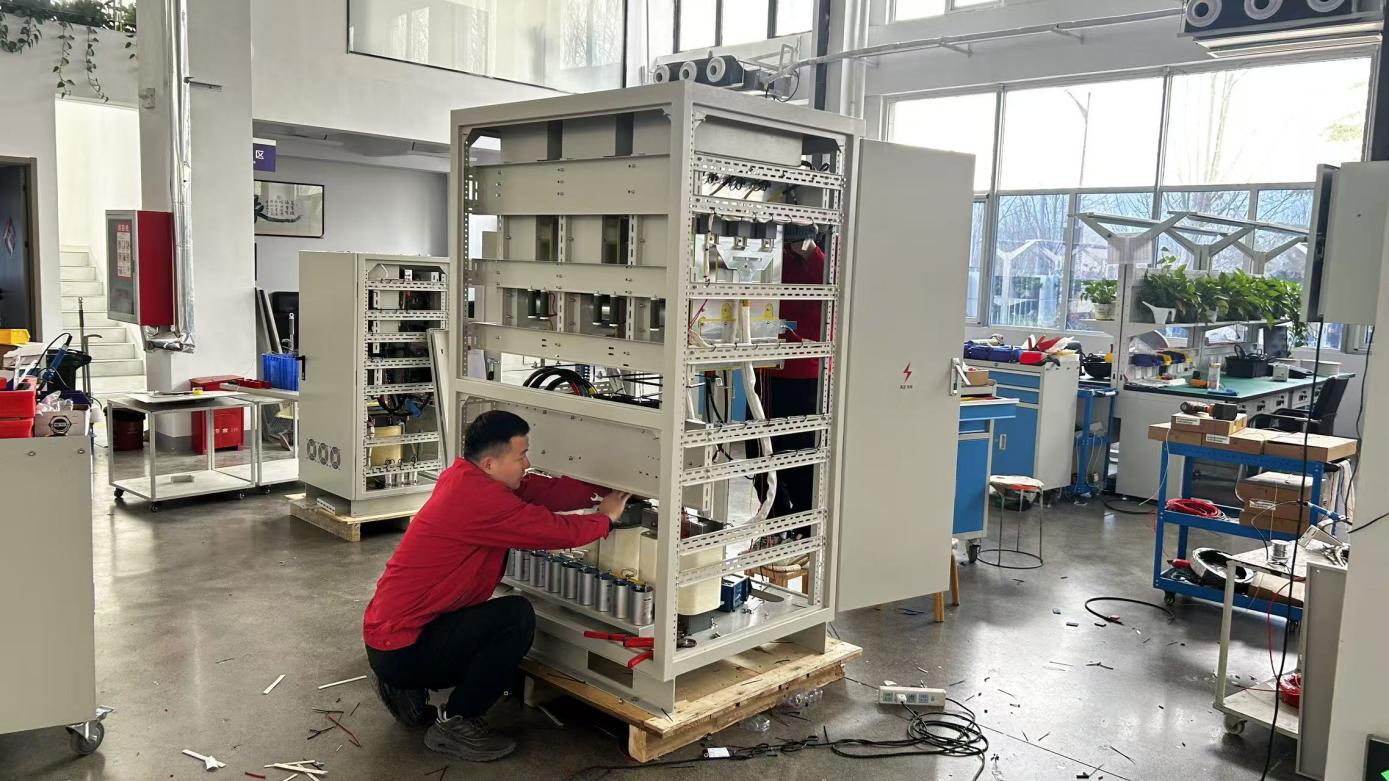
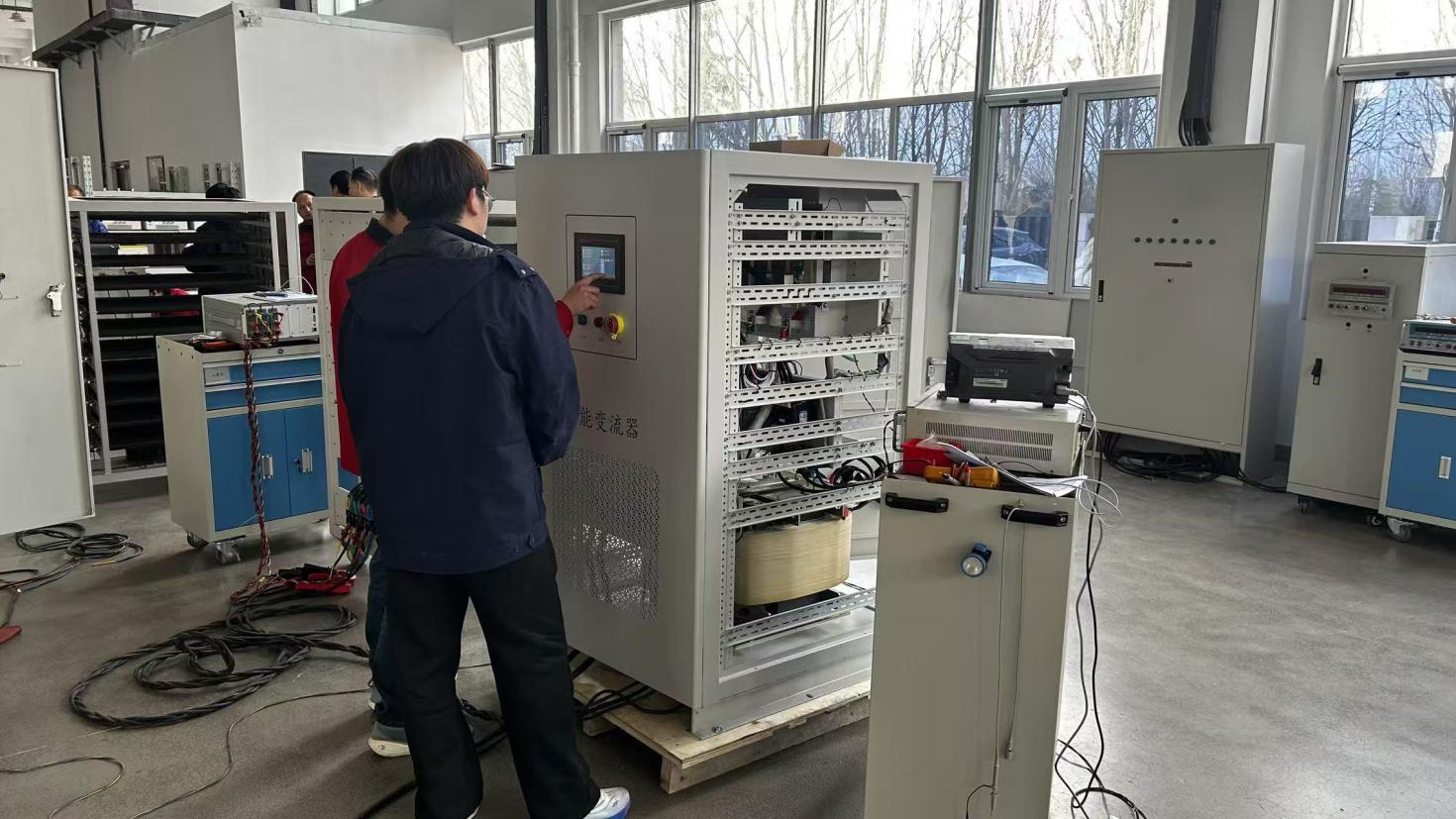
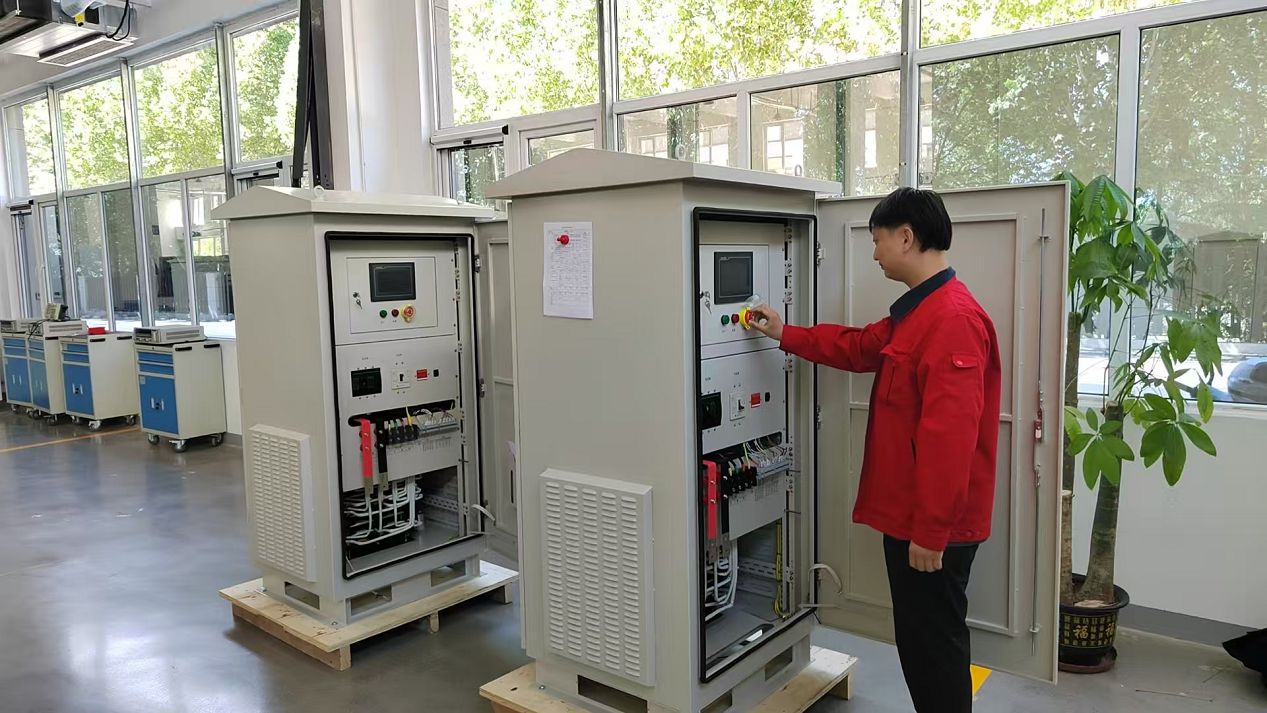
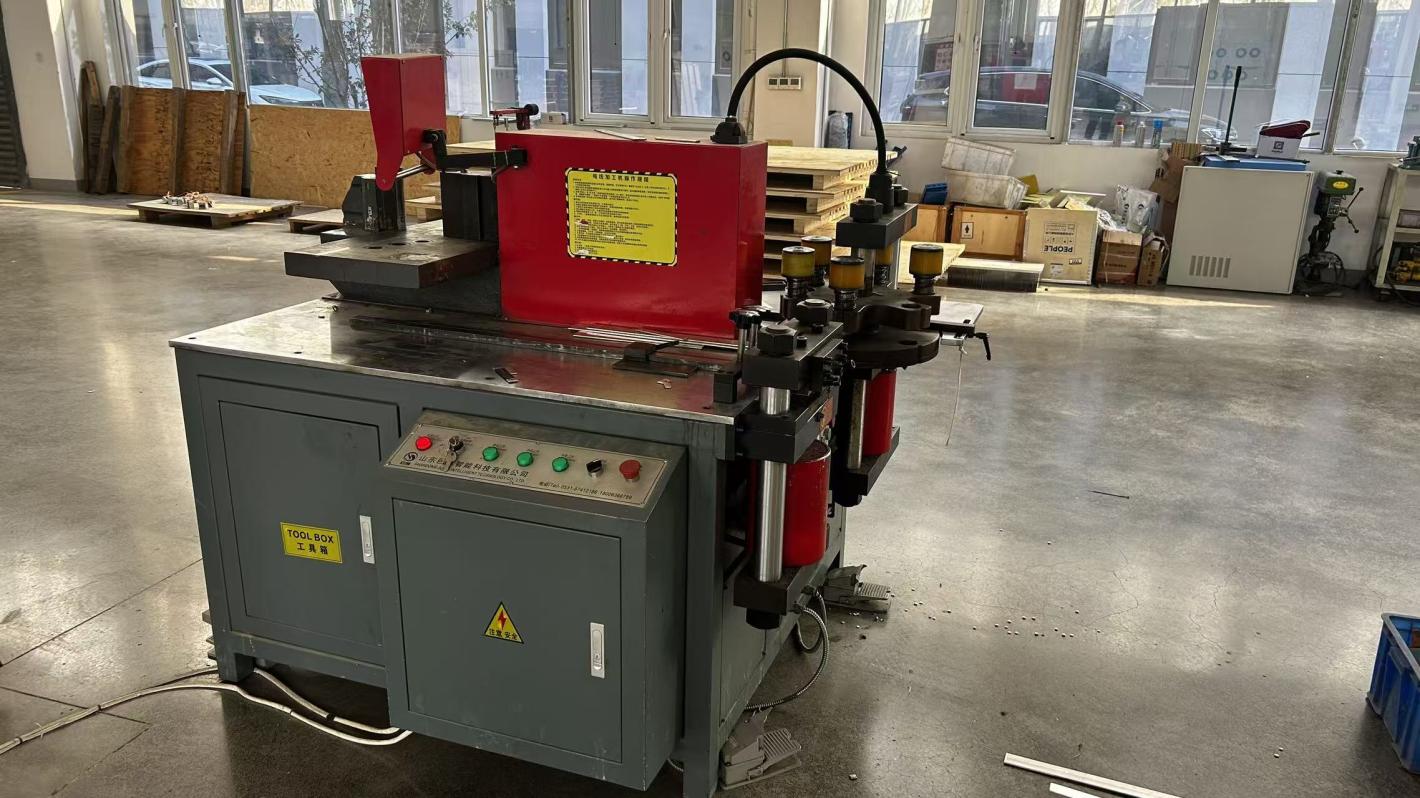
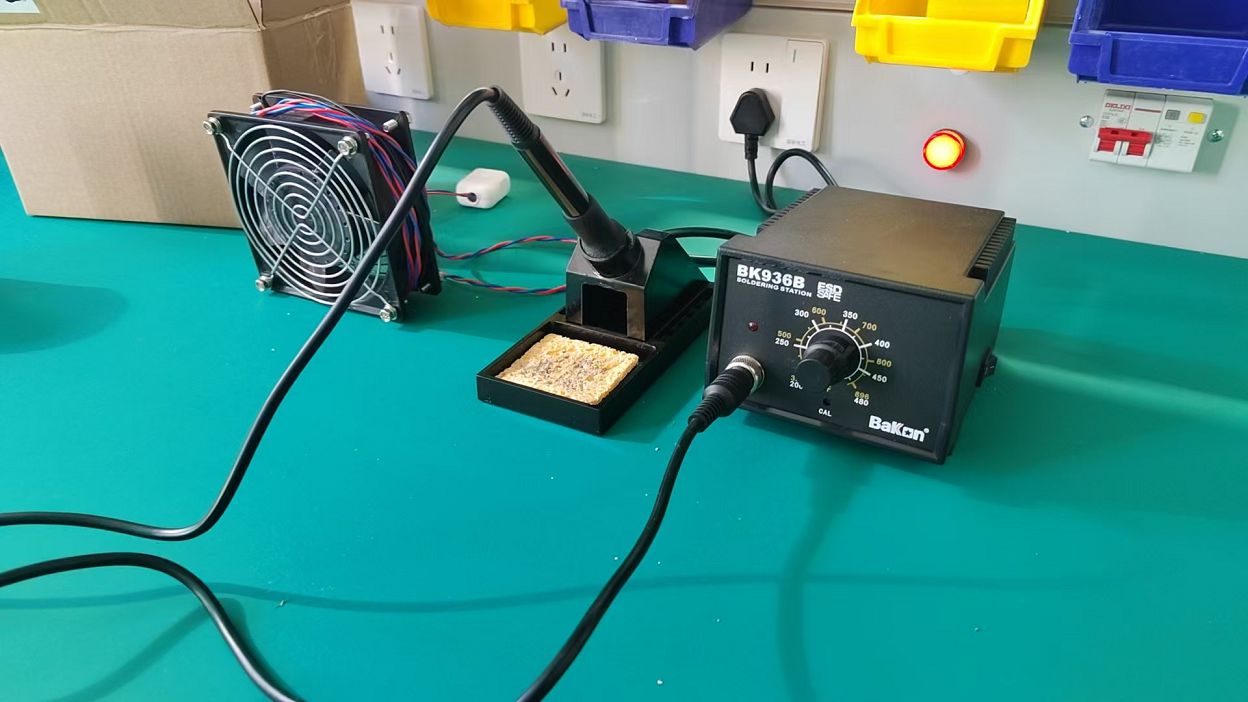
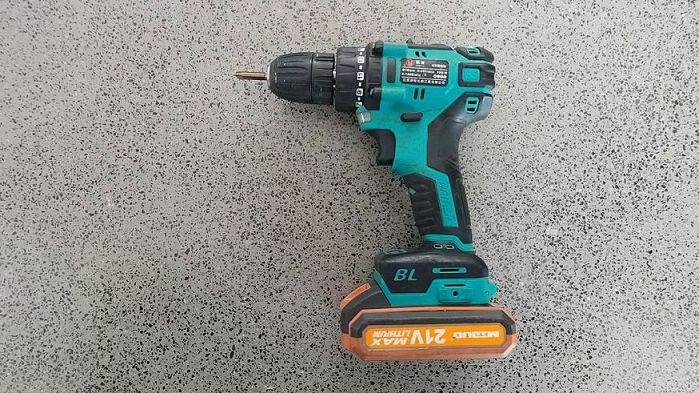
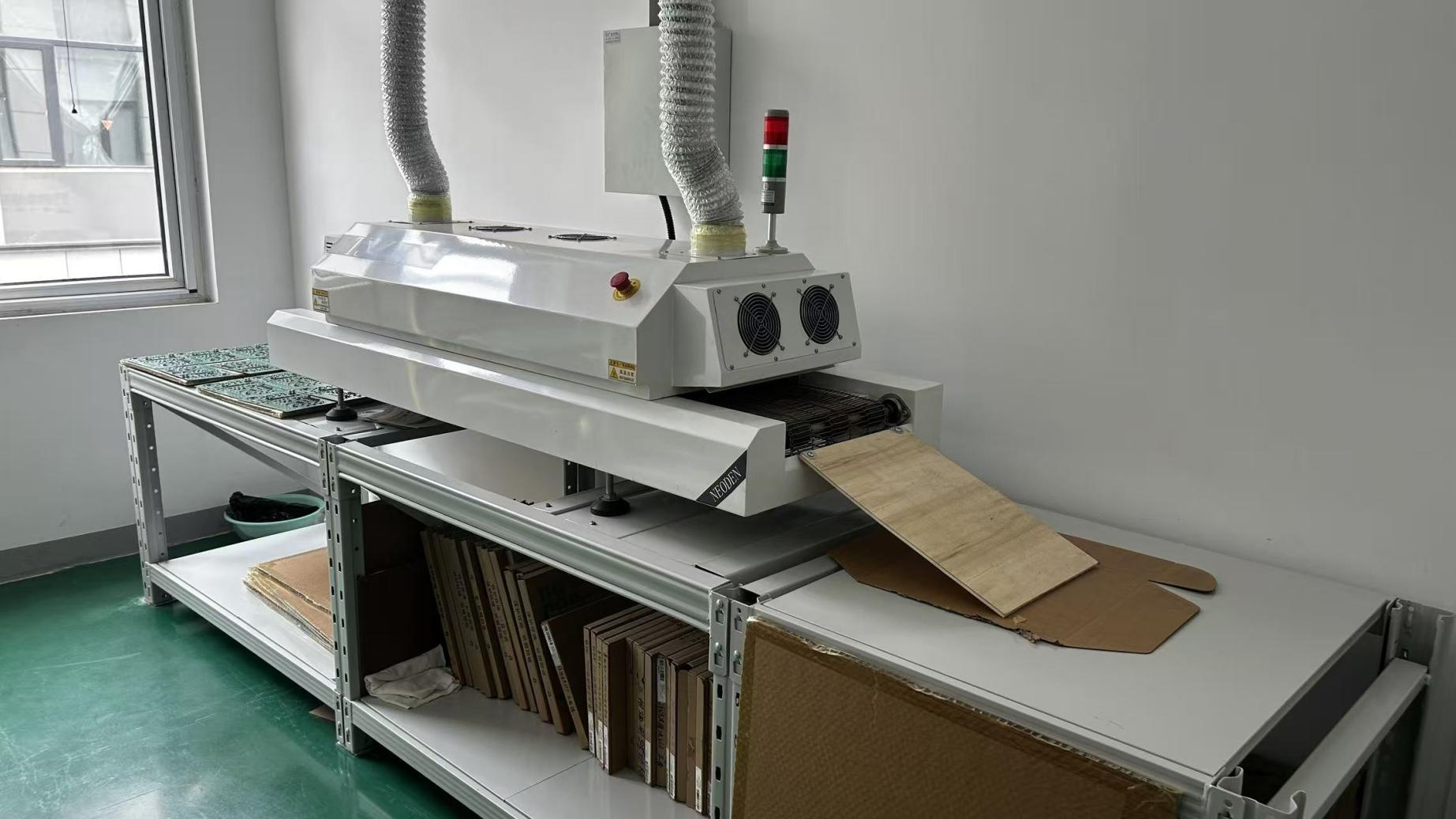
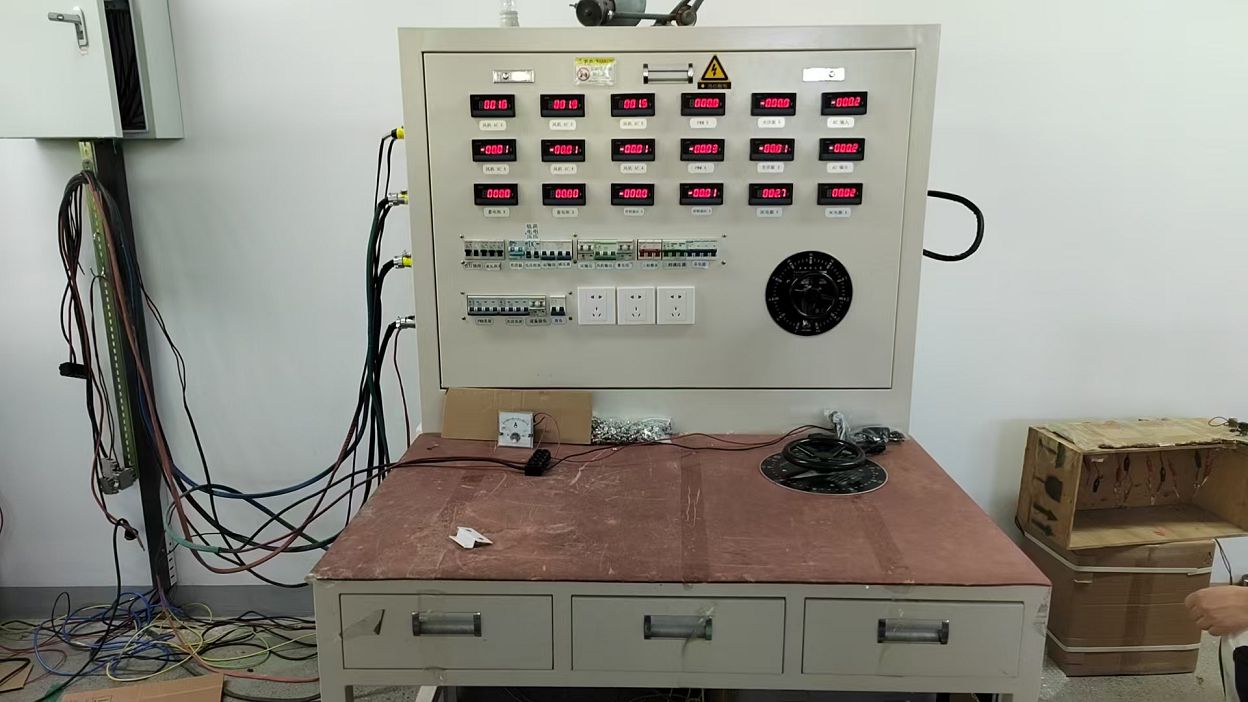
Metrology & Quality Testing Equipment Ecosystem
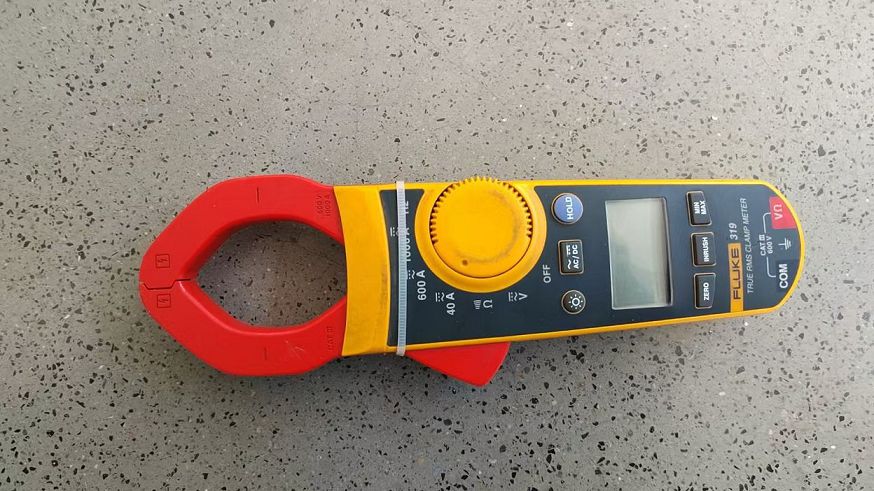
To produce current transformers and high-stability power supplies of the highest standard, precise metrology and analysis tools are required.
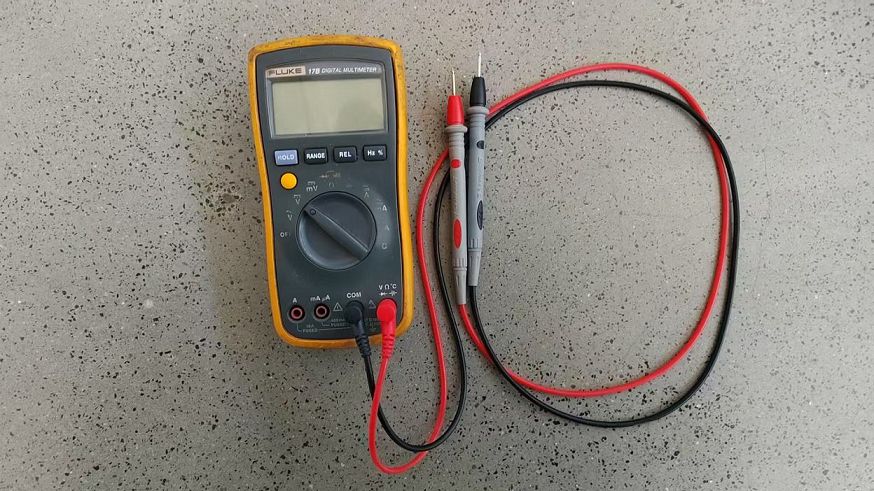
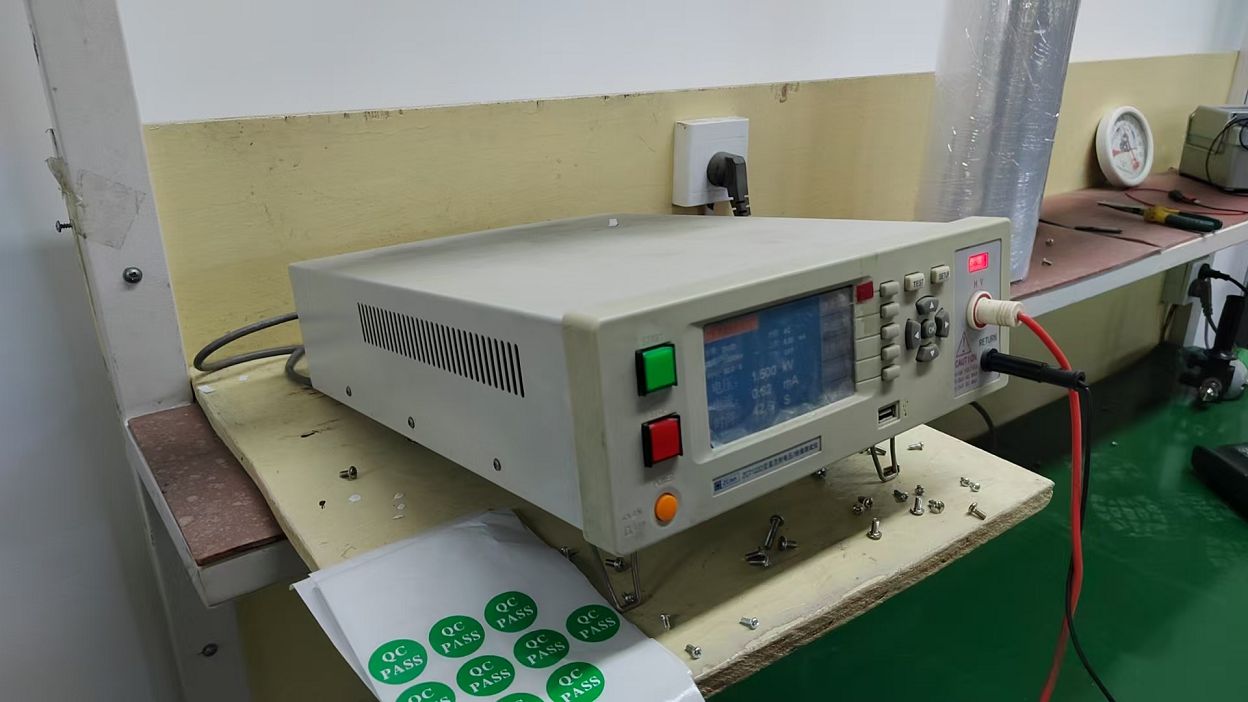
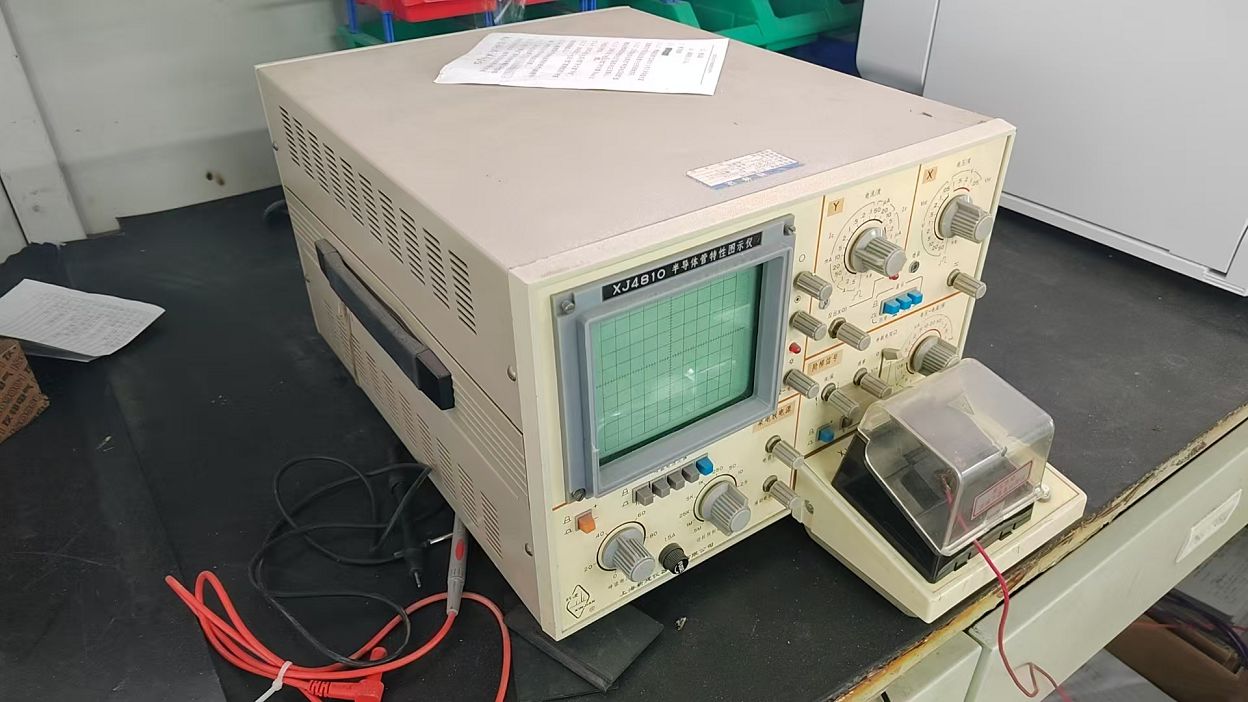
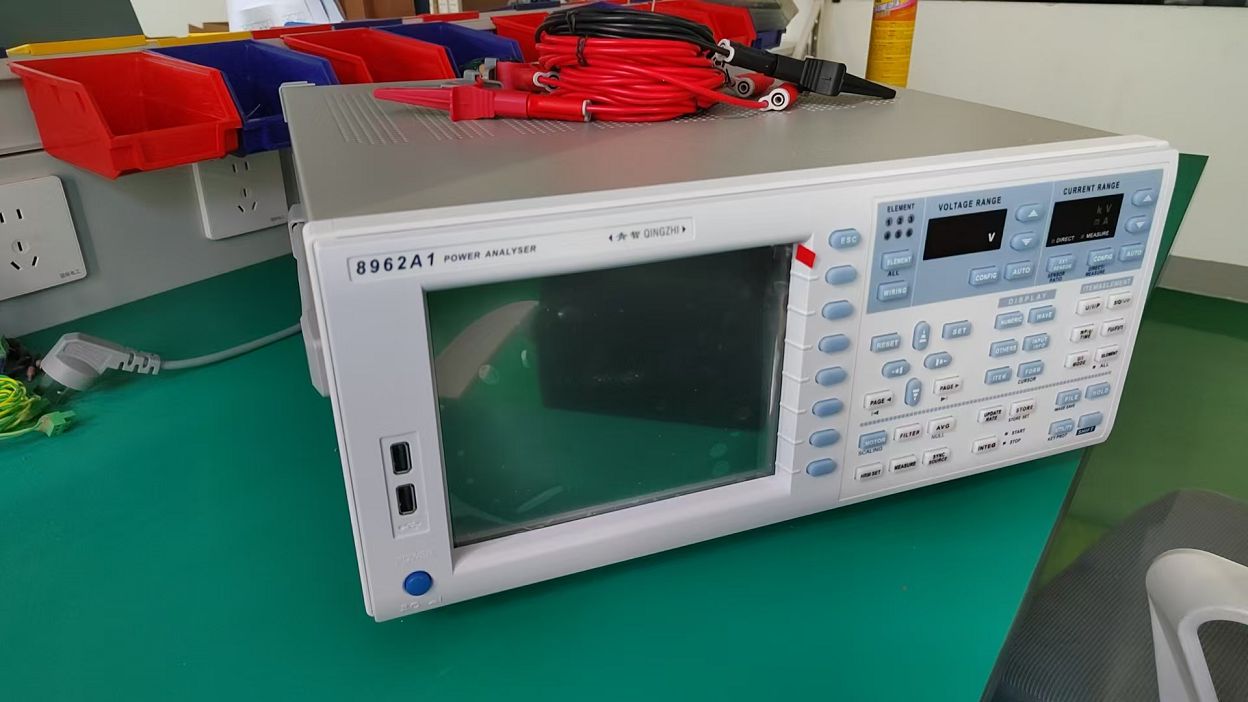
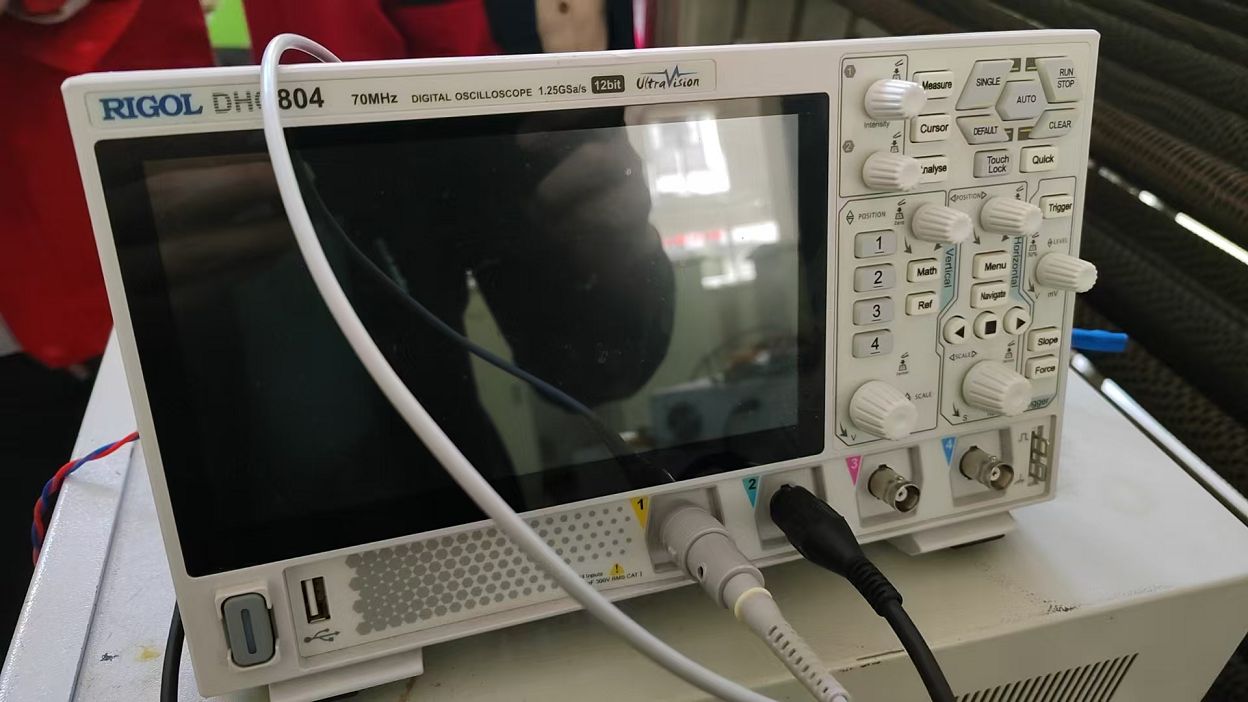
Macro-Level Power Solutions & Current Measurement Frameworks
How current transformers and customized AC/DC sources resolve grid integration challenges in global industries.
Substation Protection & Monitoring
Modern distribution networks rely on high-precision current transformers (Class 0.2S and 0.5S) coupled with protection class cores (like 5P20) to detect overcurrent scenarios without entering premature magnetic core saturation. These assemblies ensure safety systems activate in milliseconds.
Industrial Motor Drive Control
Variable frequency drives (VFDs) and high-power rectifiers require high-bandwidth Hall effect current sensors and high-frequency current transformers to provide continuous feedback loops. Correct current calibration prevents motor torque ripple and thermal overload.
Renewable Energy Integration
In solar inverters and wind turbine generators, bidirectionally tracking current is paramount. Sophpower bidirectional DC and AC power sources are widely deployed in wind/solar converter testing sites, working alongside precise current monitoring systems.
Electric Vehicle Charging Infrastructure
DC fast charging hubs need embedded current transformers to meter electricity for billing purposes. Sourcing compact, high-accuracy, split-core CTs from top-tier Chinese manufacturers ensures fast deployment, dynamic billing, and minimal footprint designs.
Technical FAQ: Core Engineering & Procurement Insights
In-depth responses resolving engineering queries for procurement managers, electrical specialists, and QA engineers.
Advanced DC Power Supplies & Multi-Phase Stabilizers
Select your testing configuration from our highly efficient, low-noise power sources, widely used in research and component validation.