High-Precision Industrial Power & Test Engineering Systems
Premium programmable DC power supplies, electronic loads, and active converters engineered for rigorous validation, system integration, and advanced transformer characterization.
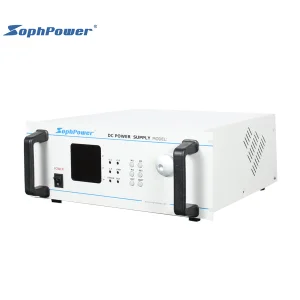
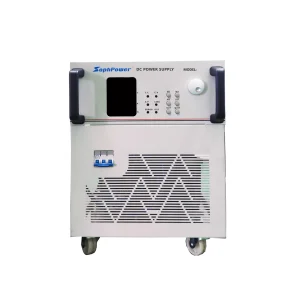
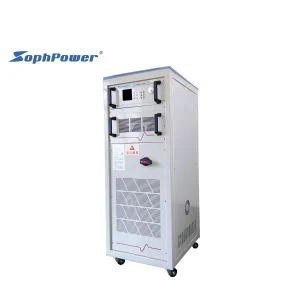
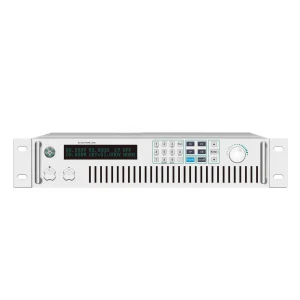
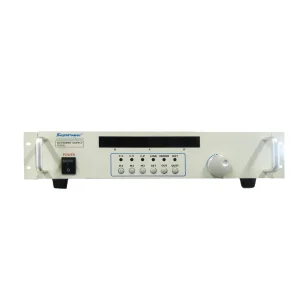
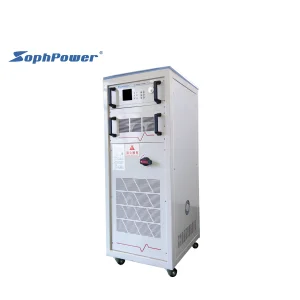
Global Commercial and Industrial Power Landscape
The modern industrial power infrastructure is undergoing a significant evolutionary phase. As global economies accelerate their transitions toward high-voltage direct current (HVDC) topologies, renewable energy networks, and high-frequency systems, the demand for highly reliable power devices has reached historic heights. In this landscape, the industrial transformer remains a critical component for galvanic isolation, voltage transformation, and grid stabilization.
However, a transformer is only as robust as the diagnostic ecosystem utilized to validate its performance. Standard laboratory testing is no longer sufficient. Under the stringent regulatory landscape of the European Union, CE Certification is not merely a label; it represents compliance with complex EMC directives, low-voltage directives (LVD), and safety performance standards. Finding a certified exporter that understands the nuances of magnetic components, high-frequency harmonics, and thermal stability is critical for global industrial enterprises.
As a pioneer in high-tech test electronics since 2006, Shenzhen Sophpower Electronics Co., Ltd. has addressed these challenges. By integrating advanced digital signal processing (DSP) and high-density switching architectures, we supply the international market with high-performance AC Power Sources, Linear AC Power Sources, and Bidirectional DC Power Supplies. These solutions simulate real-world grid conditions to validate industrial transformers and power conversion sub-assemblies.
Industrial Transformer Development Trends
Current industry developments focus heavily on reducing system footprints while increasing power conversion efficiency. Traditional silicon steel designs are transitioning to high-frequency nanocrystalline and amorphous cores. This shift is driven by the rapid growth of photovoltaic (PV) utility arrays, battery energy storage systems (BESS), and medium-voltage solid-state transformers (SSTs).
To address high dV/dt stresses and high-frequency harmonics, testing protocols must adapt. This requires programmable testing instruments capable of injecting variable frequencies (from 45Hz to 400Hz) and simulating transient voltage dips, swells, and complex wave dynamics. Our range of bidirectional AC power sources and programmable DC electronic loads ensures that transformers are fully stress-tested before deployment.
Advanced Manufacturing & Assembly Infrastructure
A closer look inside the Shenzhen Sophpower manufacturing facility, highlighting our rigorous assembly, calibration, and quality control lines.
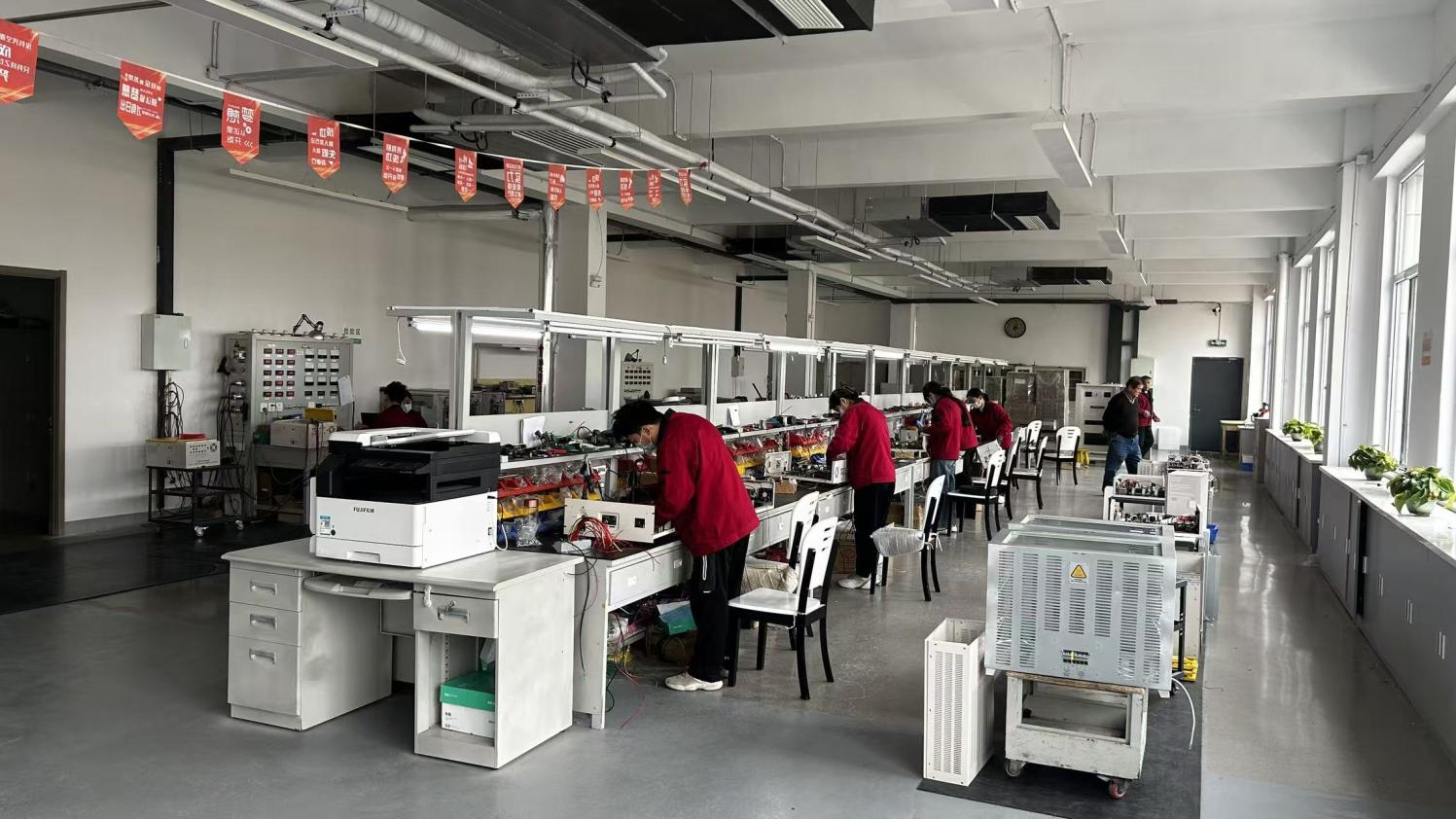 Circuit Assembly
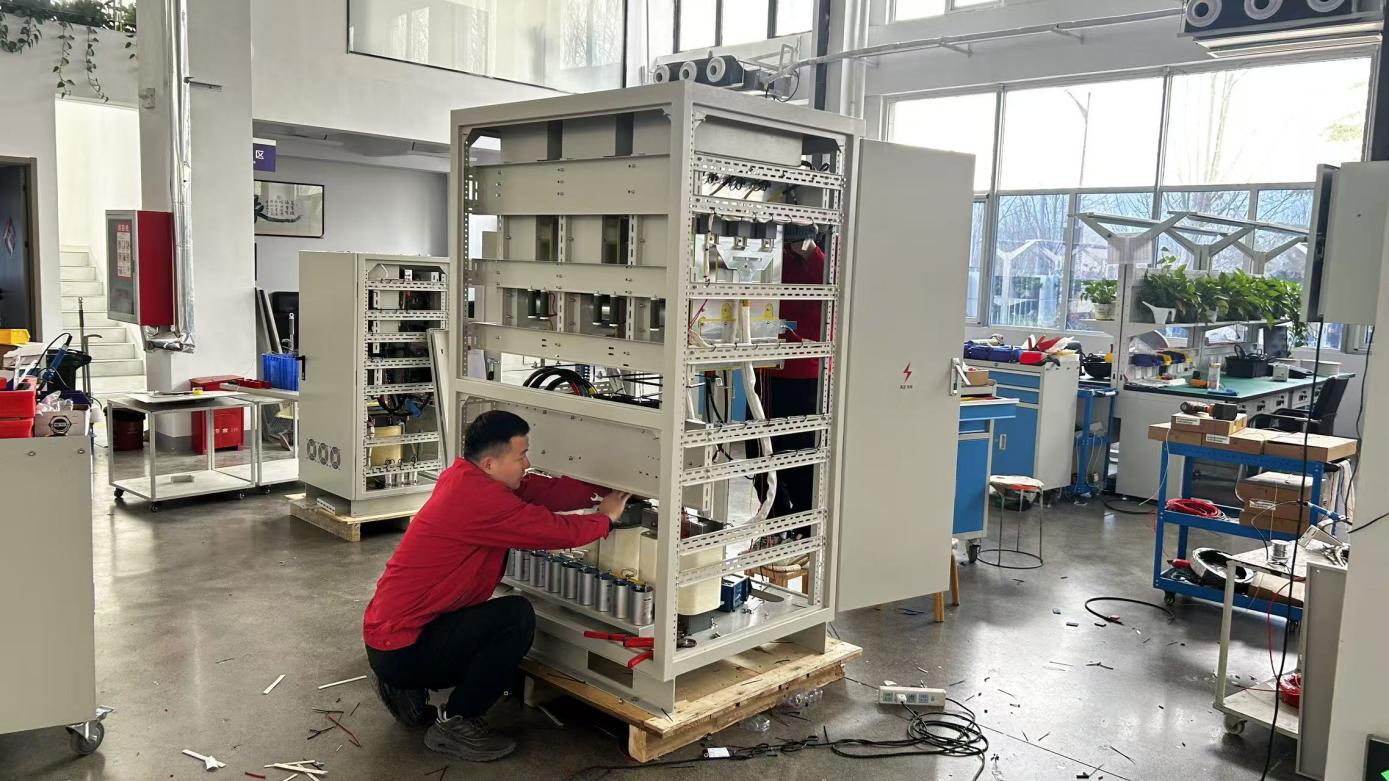 Circuit Board Assembly
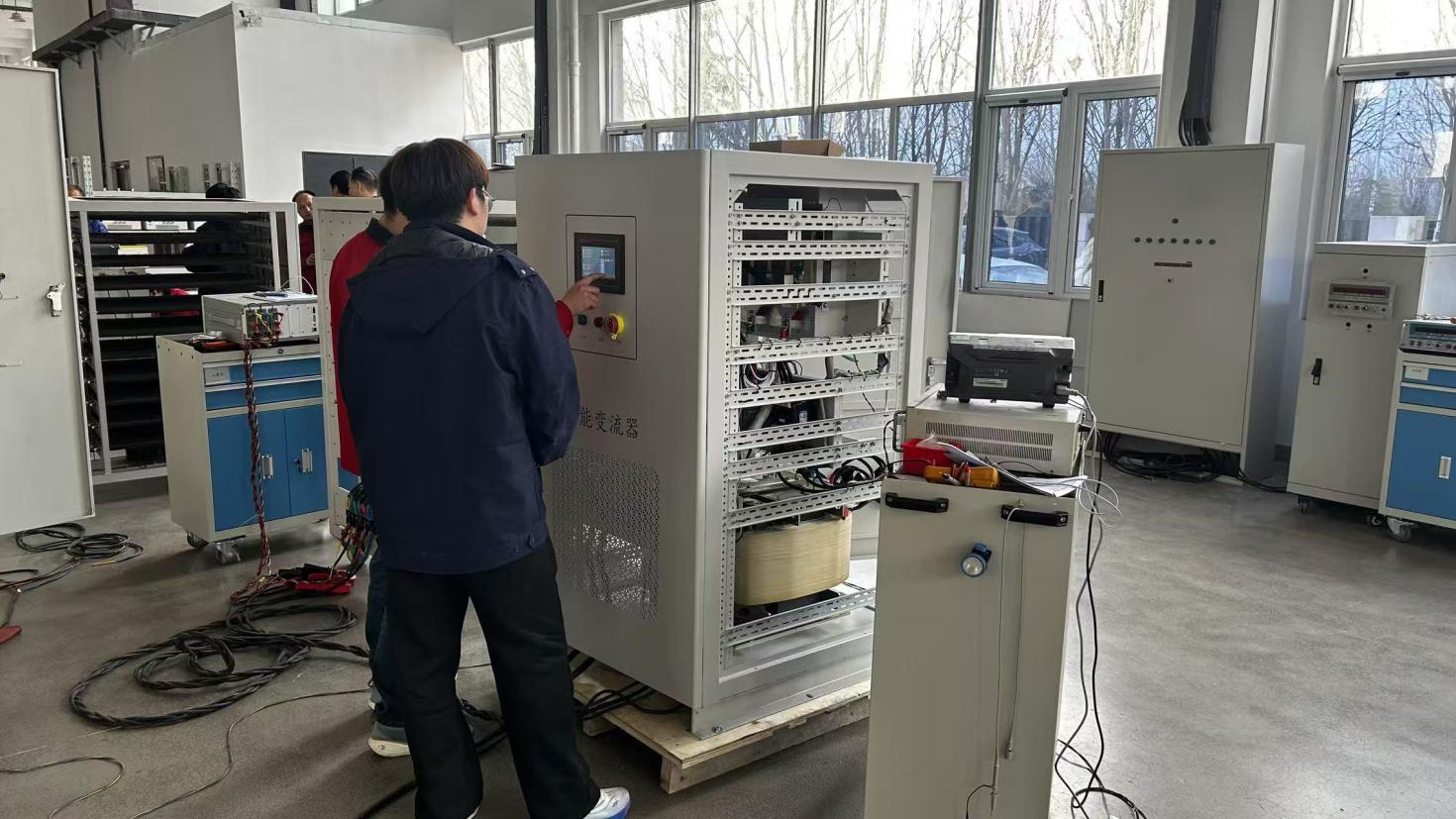 Debugging Process
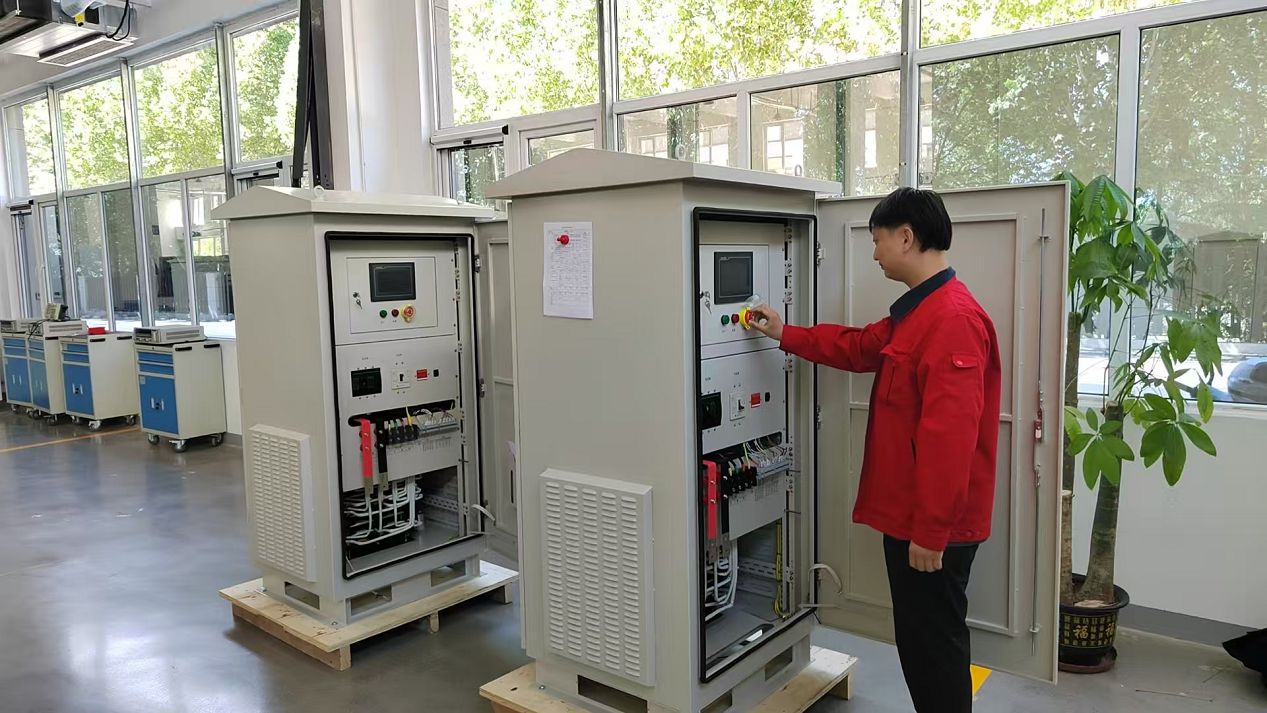 Quality Inspection Process
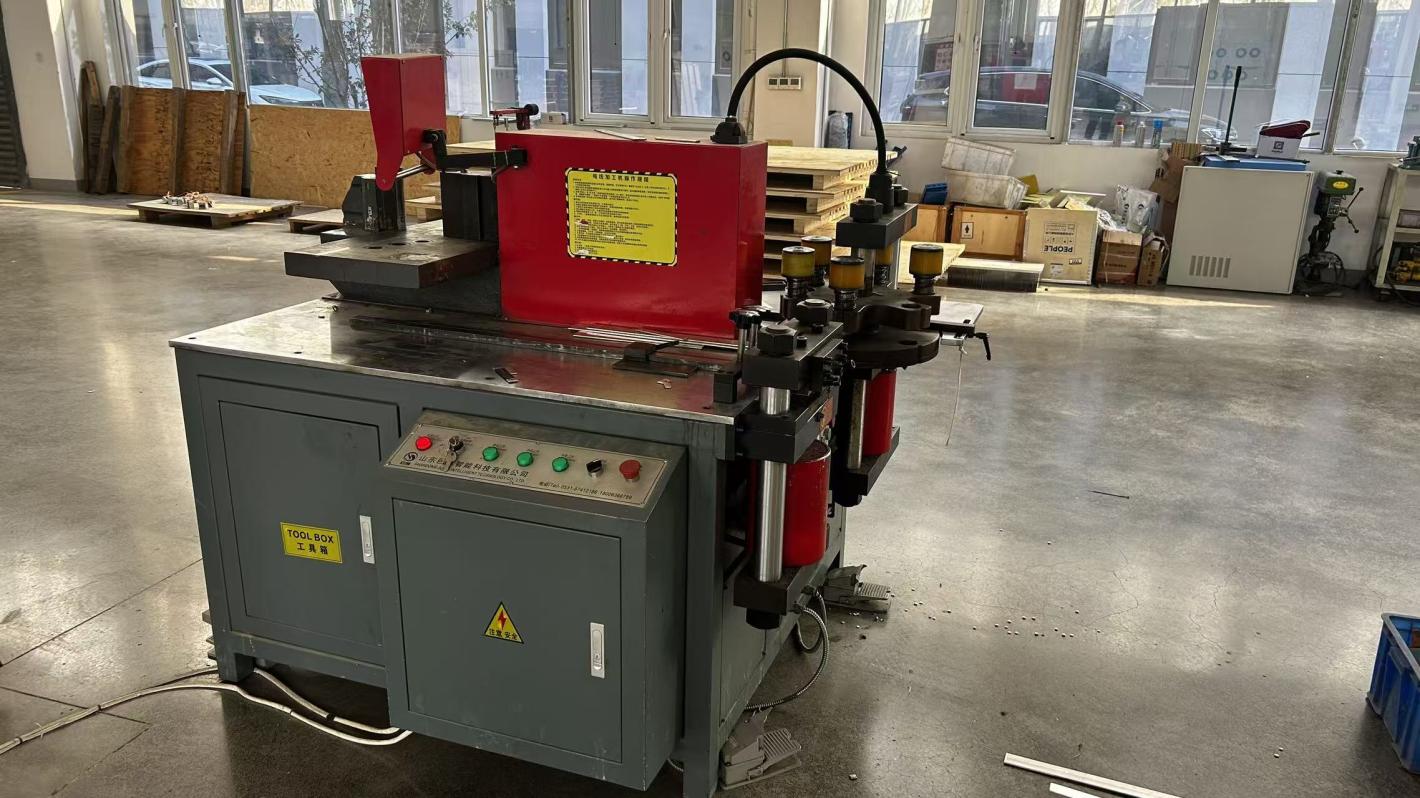 Copper Bar Production
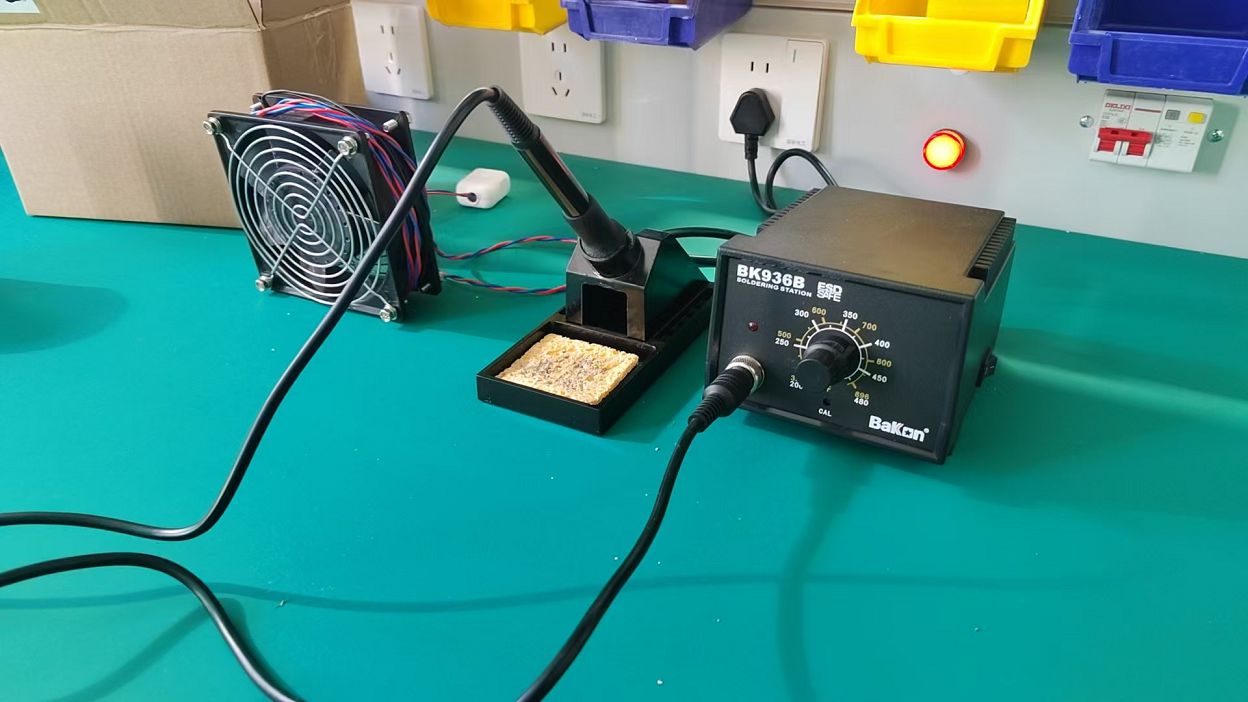 Electric Ferrowire
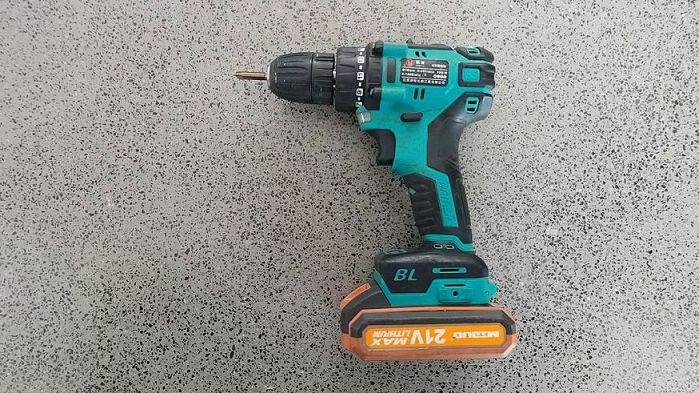 Electric Drill Station
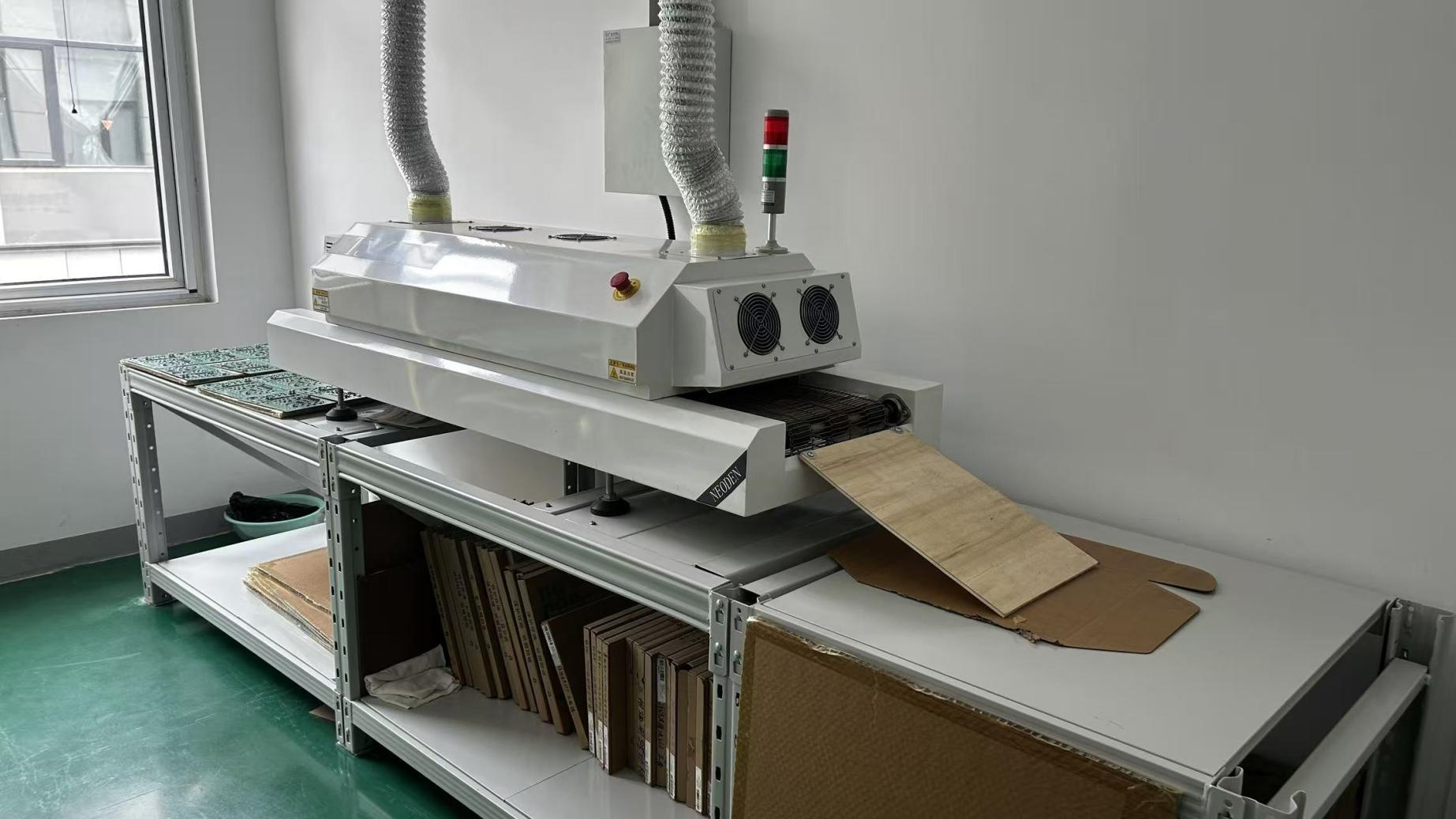 Reflow Soldering Machine
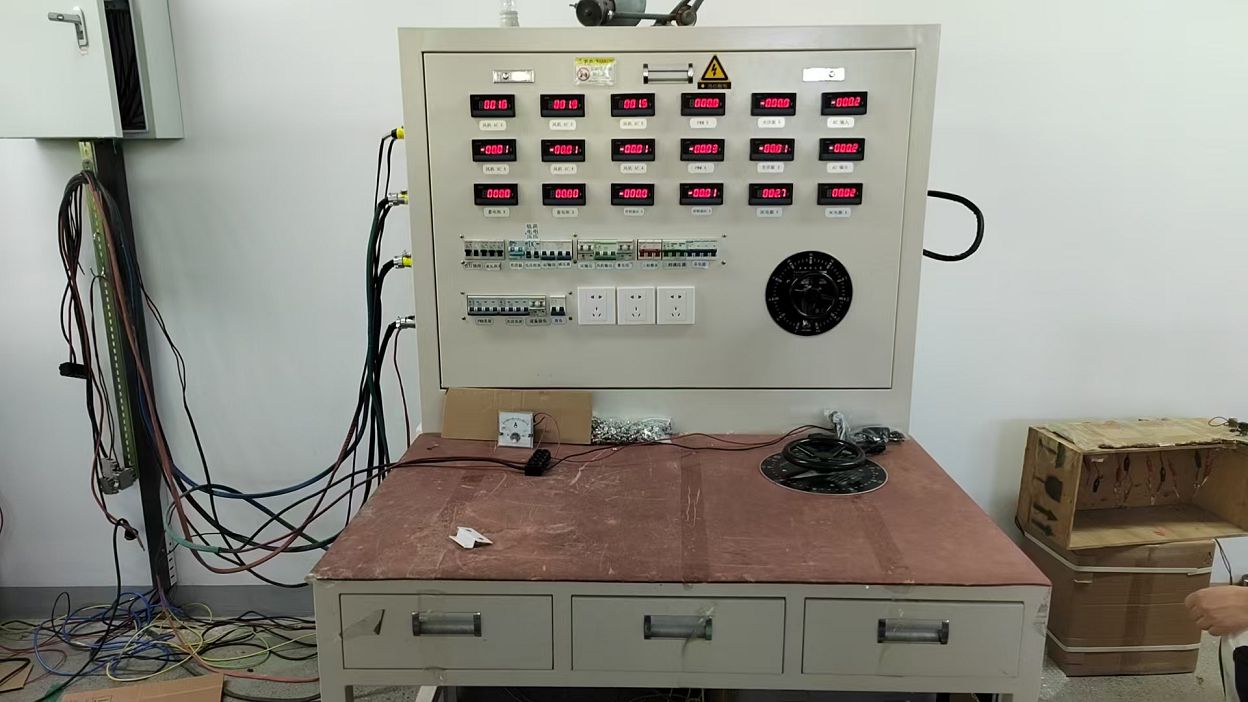 Active Assembly Workbench & Calibration Desk
Technical Roadmap & Diagnostic Standards
Ensuring magnetic components meet standard specifications via automated diagnostic loops and precision instruments.
Validating industrial power transformers requires precise instrumentation. Small anomalies in winding capacitance or core saturation under transient loads can lead to failures when integrated into grid infrastructure. Utilizing standardized diagnostic devices ensures the integrity of electrical isolation, insulation breakdown limits, and accurate primary-to-secondary conversion ratios.
During transformer design and factory testing, technicians use specialized tools to evaluate magnetic core characteristics. LCR Meters are utilized to analyze primary/secondary inductance ($L$) and equivalent series resistance ($ESR$), while Semiconductor Characteristic Plotters help evaluate power switching device tolerances. Power Quality Analyzers are critical for evaluating Total Harmonic Distortion (THD) and efficiency curves.
Sophpower's engineering division integrates these measurement systems directly into our production lines. This allows us to supply high-reliability components to our global customers. By utilizing advanced diagnostics, we ensure that every high-voltage programmable DC power supply, active frequency converter, and AC load meets strict performance tolerances.
Metrology & Quality Control Instruments
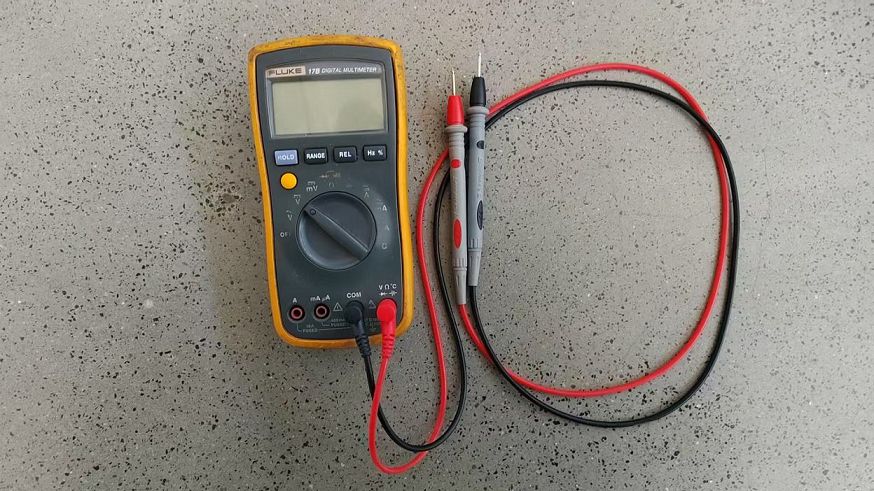 Multimeter Calibration
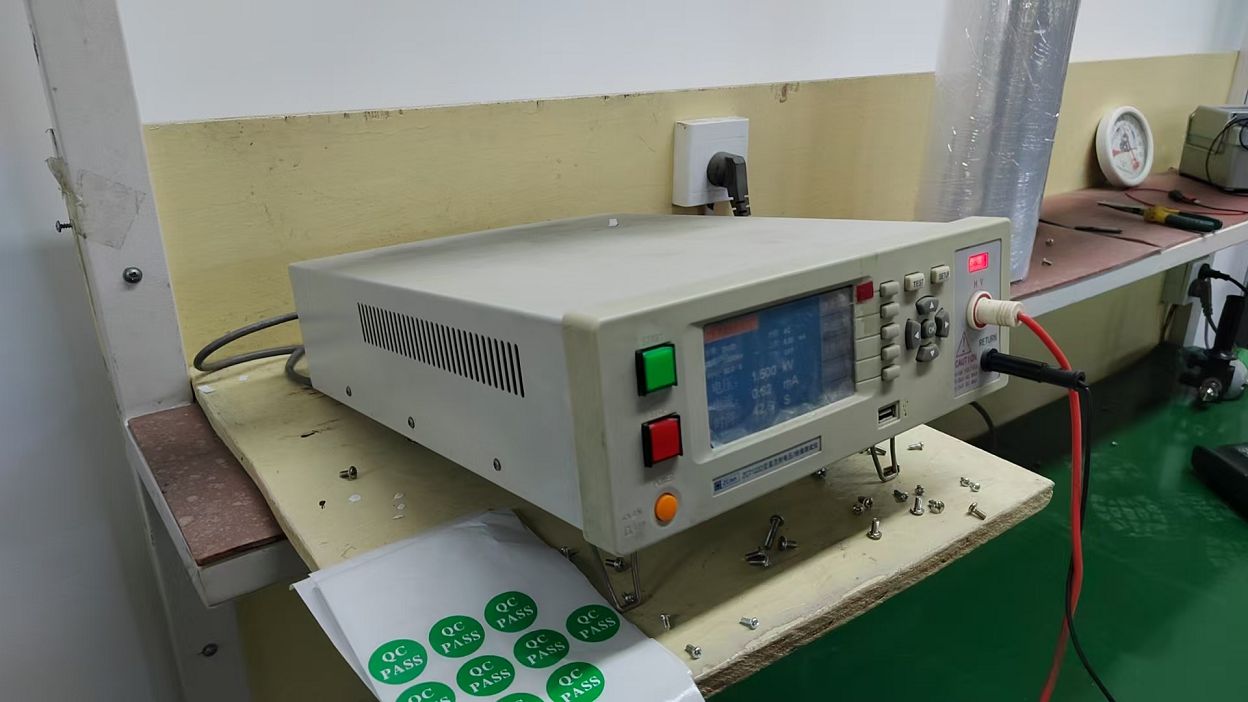 LCR AutoTester Diagnostics
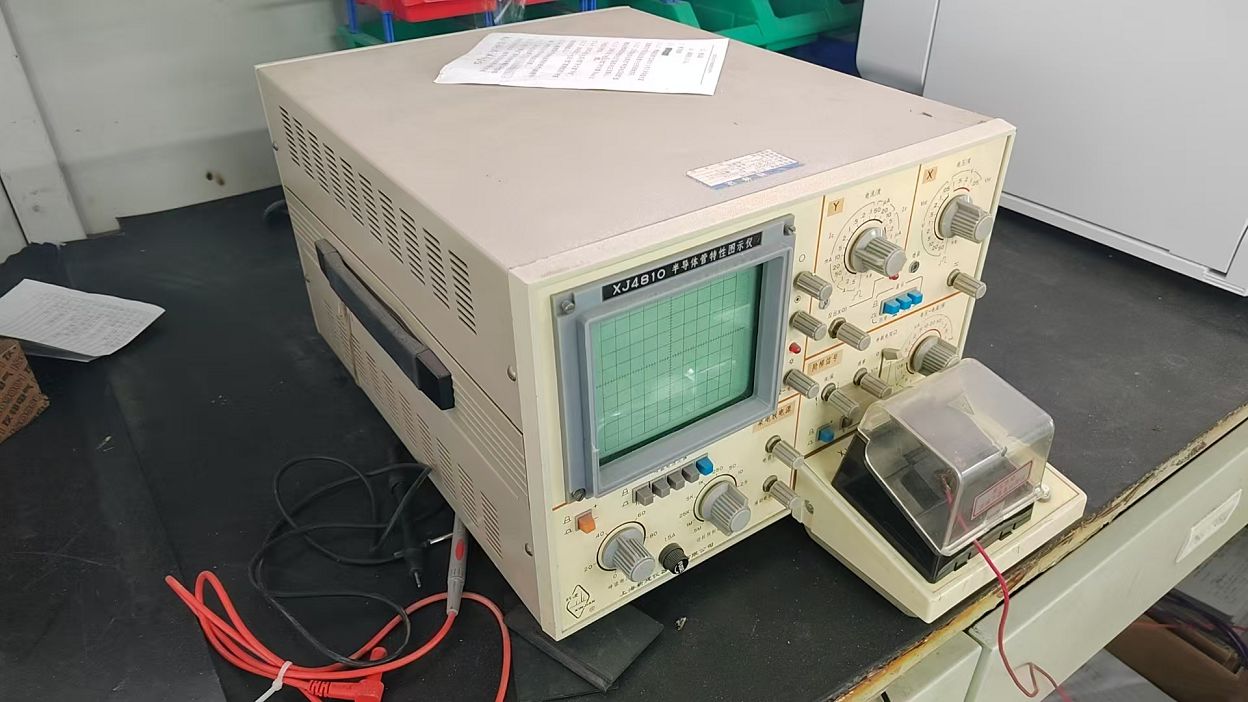 Semiconductor Characteristic Plotter
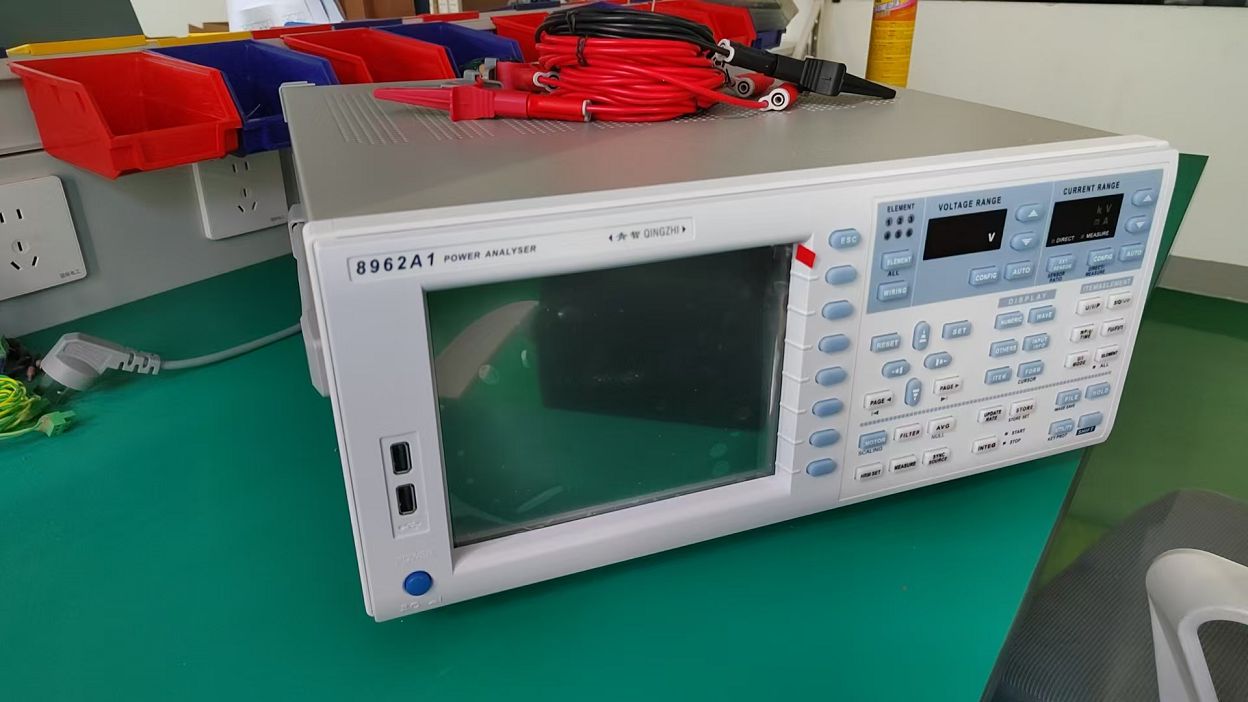 Digital Oscilloscope Waveform Capture
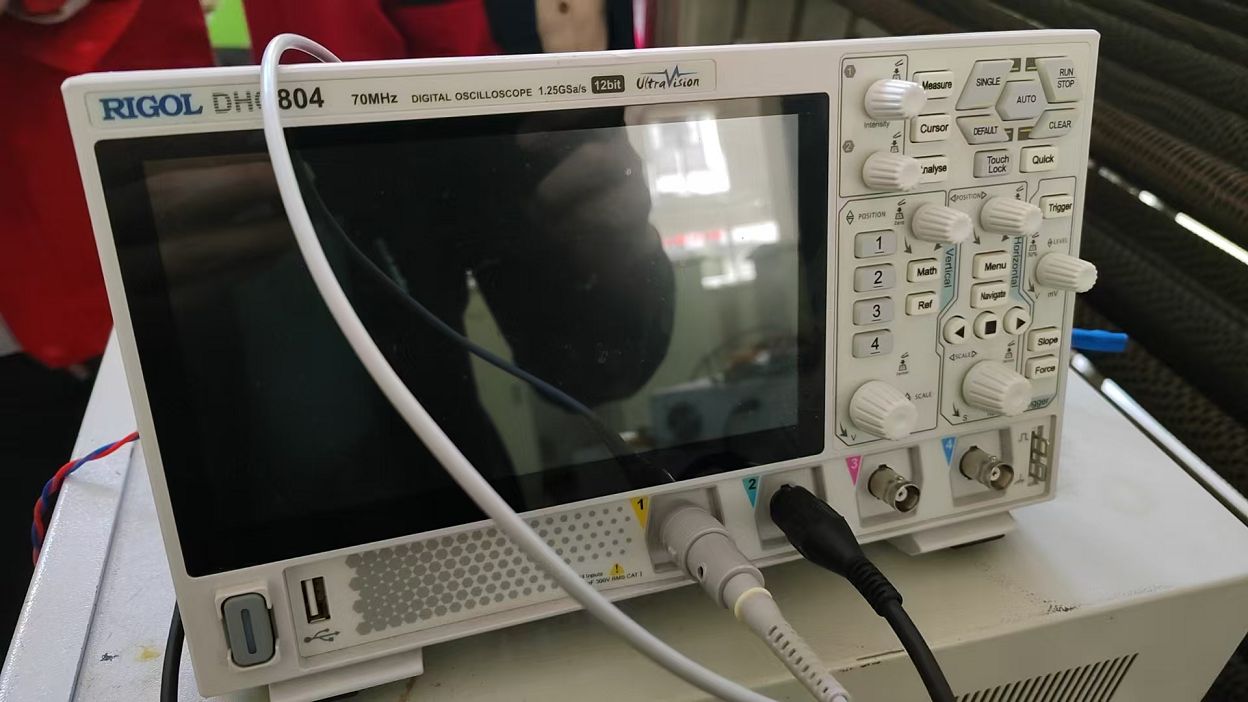 Power Quality Analyzer
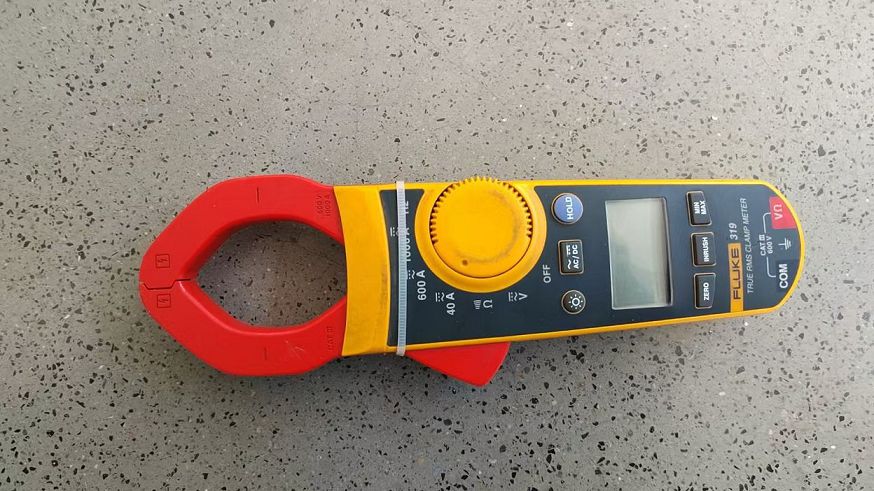 Clamp Current Meter
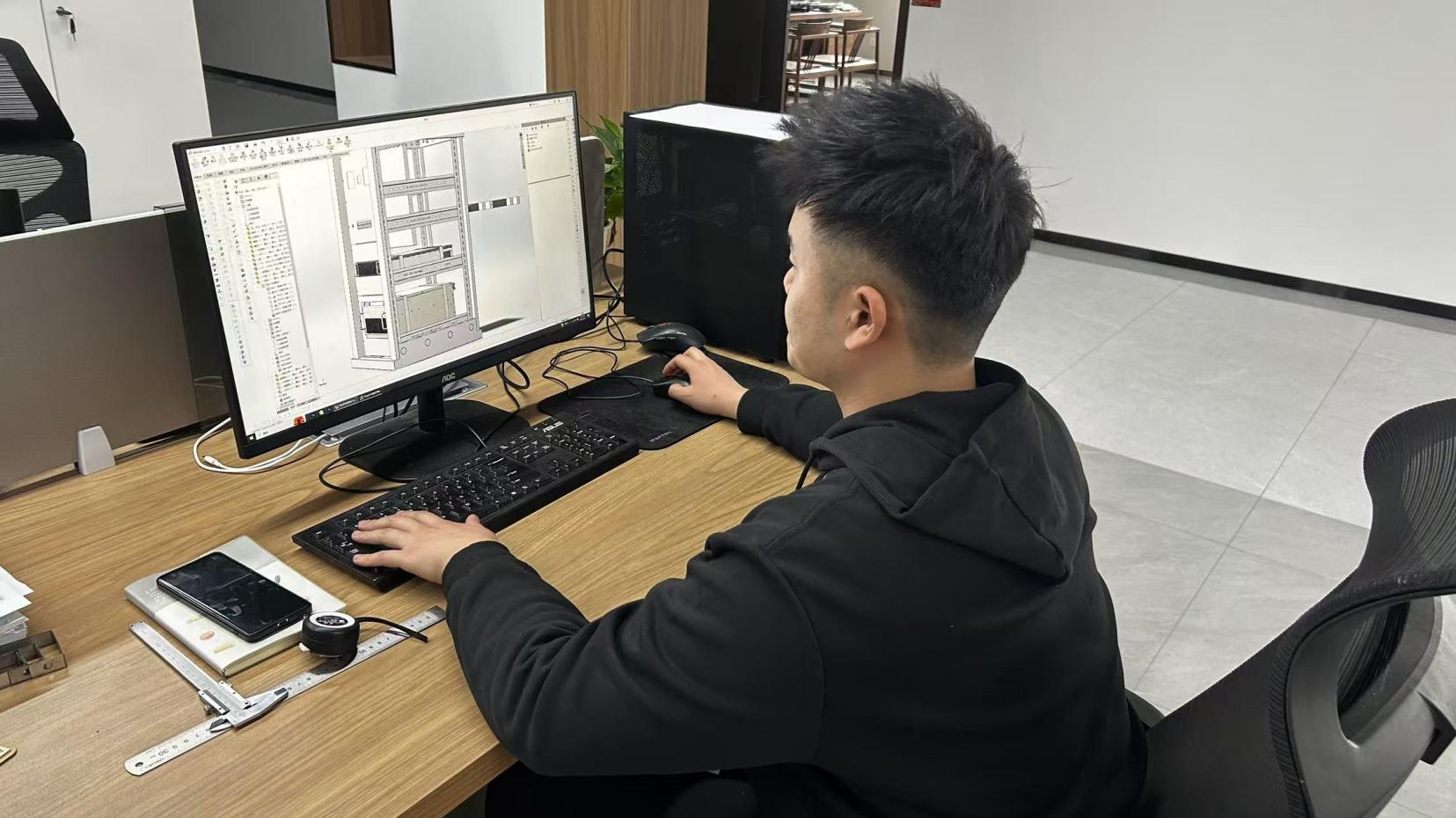 Electrical Design Station
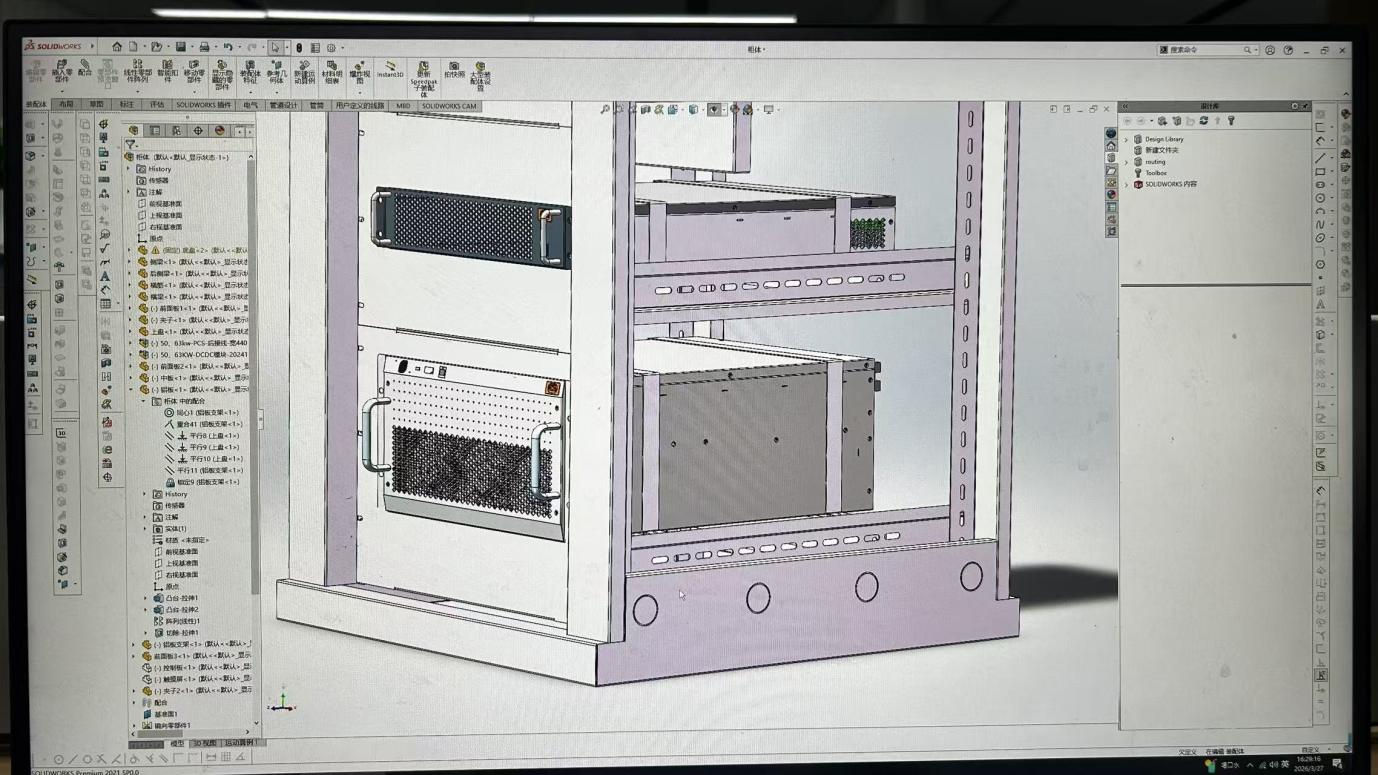 CAD Engineering Desk
Macro-Industry Solutions & Application Scenarios
Providing specialized power solutions for aerospace systems, high-voltage testing facilities, and industrial manufacturing plants worldwide.
Smart Grid & Utility Integration
Validating smart distribution transformers requires simulating grid voltage fluctuations and transient disturbances. Our programmable three-phase AC power supplies enable comprehensive testing for renewable energy plants and substation installations.
Industrial Automation Systems
Ensuring robust performance in motor control systems and high-current manufacturing machinery. Our high-voltage DC power sources provide clean power to drive control circuits and test multi-phase magnetic components under full load conditions.
Aerospace & Defense Testing
Providing 400Hz variable frequency conversion solutions to support military and commercial aviation components. Designed to meet strict standards for low electromagnetic interference (EMI) and high-frequency stability.
Comprehensive Testing Architecture
Industrial power supply equipment is exposed to variable thermal conditions, load profiles, and input voltage variations. To verify component reliability, we use a testing loop that links programmable AC/DC power sources with high-speed electronic loads. This system automates efficiency measurements, load regulation curves, and thermal profiling under varying conditions.
By combining this technical approach with our manufacturing expertise, Sophpower provides system developers with the tools to validate complex power equipment. Our solutions help customers ensure regulatory compliance and improve reliability in their operational systems.
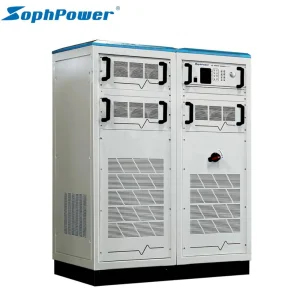
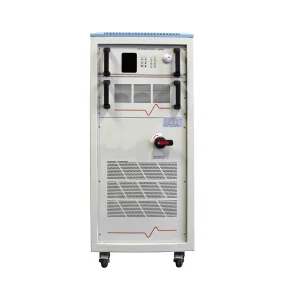
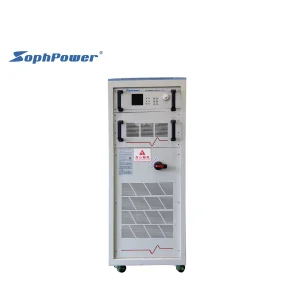
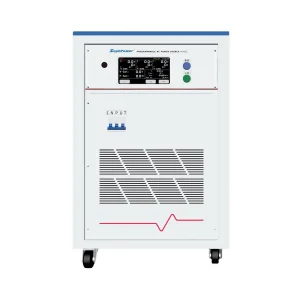
High-Power Frequency Converters & Adjustable AC/DC Power Sources
Engineered to supply stable voltage profiles, handle regenerative energy, and provide precise diagnostic controls for modern electrical laboratories and field testing.
Technical FAQs & Operational Standards
Expert answers addressing the engineering, validation, and regulatory challenges of industrial transformers and high-power supply systems.