Premium Control & Testing Modules
Explore our CE-compliant, high-performance power supply and control equipment engineered for reliable industrial switching environments.
The Global Commercial & Industrial Landscape of Relay Modules
Analyzing market trends, architectural shifts in power management, and the crucial role of CE certification in modern automation.
In the era of smart grids, high-power industrial automation, and rapid electrification, the demand for reliable electric control components has reached unprecedented heights. The modern relay module has evolved from a simple mechanical switch to an intelligent control unit integrated with isolation barriers, diagnostic capabilities, and robust overcurrent protections. As global supply chains adjust to increased regulatory oversight, the certification of these components under strict European (CE) and international IEC standards has become a baseline requirement for commercial compliance and risk mitigation.
A relay module functions as the vital interface between low-power microprocessor control circuits (such as PLCs, microcontrollers, or smart controllers) and high-power actuators, heaters, or motors. Industry dynamics demand that these devices operate reliably under harsh electromagnetic interference (EMI) environments and extreme ambient temperatures. Failure of a single relay can result in production downtime, equipment damage, or catastrophic safety incidents. Thus, sourcing components from a verified CE certified relay module supplier and exporter ensures that electromagnetic compatibility (EMC) and low voltage safety directives (LVD) are fully integrated into the hardware design.
Galvanic Isolation
Optoelectronic and physical separation that protects sensitive logic circuits from high-voltage spikes, feedback loops, and surge currents up to several kilovolts.
CE Compliance (EMC & LVD)
Rigorous verification ensures compliance with LVD 2014/35/EU and EMC Directive 2014/30/EU, enabling legal import and safe installation across the European Union.
Industrial Scalability
Engineered for DIN-rail installations, modular configuration, and compatibility with standardized fieldbus interfaces for agile systems integration.
Technology Roadmap: The Future of Switching and Control
Bridging electromechanical reliability with semiconductor innovation to deliver robust control frameworks.
The industrial switching landscape is currently defined by a dual-track roadmap: the optimization of Electromechanical Relays (EMRs) and the integration of Solid-State Relays (SSRs). While EMRs continue to dominate applications requiring high overcurrent tolerance, low contact resistance, and multi-pole switching at a competitive price point, SSRs are progressively gaining ground in environments demanding high switching speeds, zero-crossing control, and infinite operational life cycles.
Shenzhen Sophpower Electronics Co., Ltd. continuously monitors these technical shifts to refine the architecture of our power integration and custom switching modules. By integrating advanced contact materials, such as silver-nickel (AgNi) or silver-tin-oxide (AgSnO2), we combat the aging effects of electrical arcing and material transfer, enhancing the MTBF (Mean Time Between Failures) of our modules under challenging inductive and capacitive loads.
1. Optocoupler Isolation & Snubber Circuitry
To achieve exceptional electromagnetic compatibility, our modules employ high-isolation optocouplers that decouple input triggers from switching loads. Additionally, integrated RC snubber circuits and transient voltage suppressors (TVS) absorb inductive back-EMF spikes, protecting the relay contacts and internal switching transistors from premature degradation.
2. Smart Relays & Fieldbus Protocols
The future of relay technology lies in telemetry. Modern installations require relay modules that do not just switch, but also communicate. By developing modules equipped with RS-485 Modbus, CAN Bus, or IO-Link interfaces, operators can monitor contact temperature, cyclic counts, and real-time load current directly from central SCADA platforms.
Localized Application Scenarios
Exploring how our control and power switching systems satisfy regional engineering demands and operational criteria.
European Industrial Automation
European operations require strict conformity to DIN rail standards, RoHS materials compliance, and low-smoke zero-halogen (LSZH) properties. Our CE-certified modules integrate smoothly with standard PLCs (such as Siemens, Beckhoff, or Schneider) in environments where human-machine safety is paramount, mitigating risks associated with high electromagnetic interference.
North American Smart Microgrids
In the US and Canada, switching units must cope with dual-frequency requirements and strict UL/CSA listing structures. In solar microgrids and grid-tied storage systems, our switching and voltage regulator platforms provide robust control interfaces to stabilize power fluctuations, preventing power drops and ensuring grid synchronization.
Asia-Pacific Renewable Facilities
Faced with tropical environments, humidity, and high thermal strain, Asian battery-storage testing installations and industrial process plants require relays with anti-corrosion finishes, high dielectric strength, and robust heat-dissipation housings. Sophpower's design principles provide the endurance required under these taxing environmental conditions.
Shenzhen Supply Chain Resilience & Manufacturing Strengths
Operating from Shenzhen, the global hub of electronics engineering, we combine premium components, rapid prototyping, and advanced assembly.
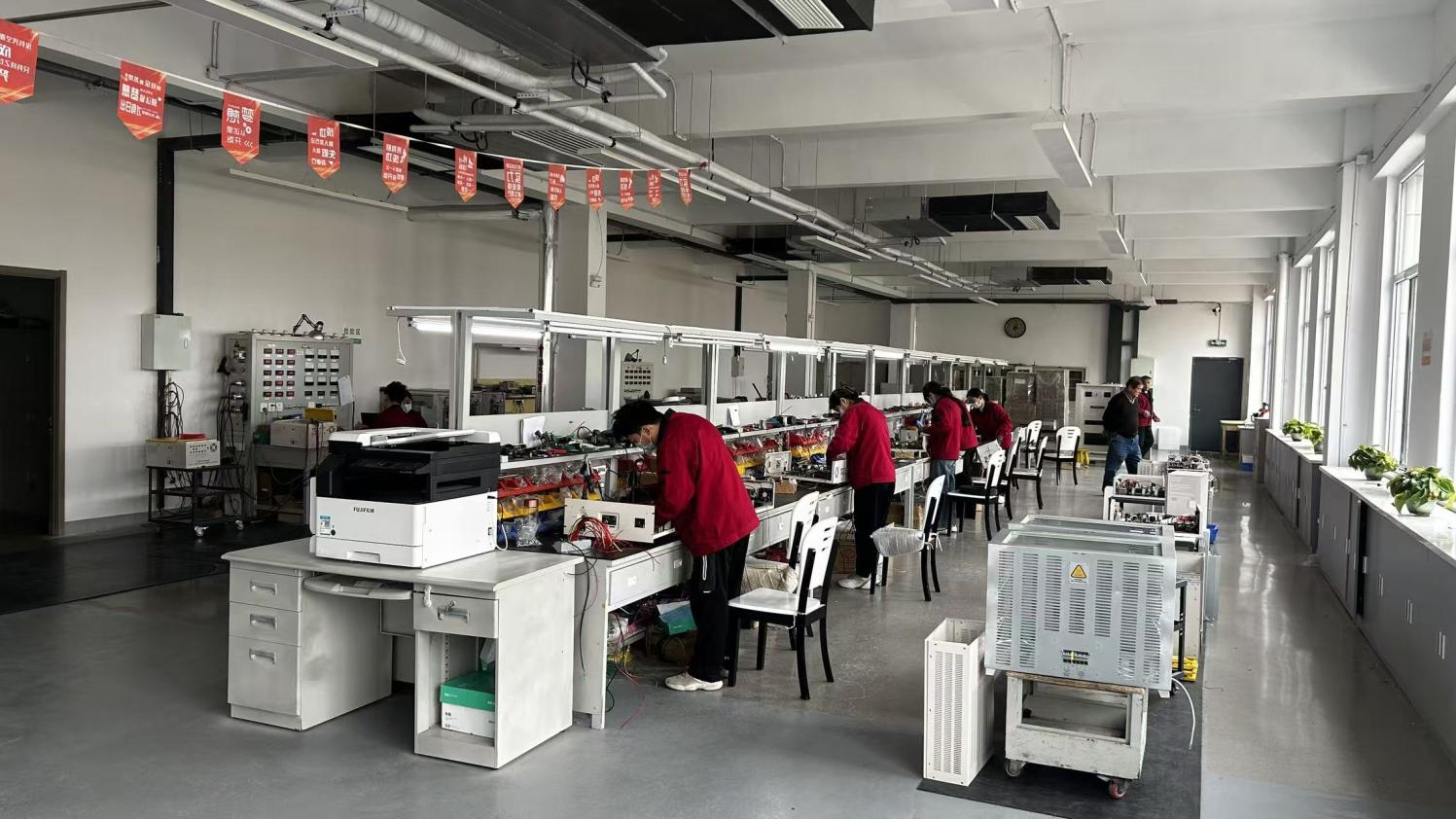
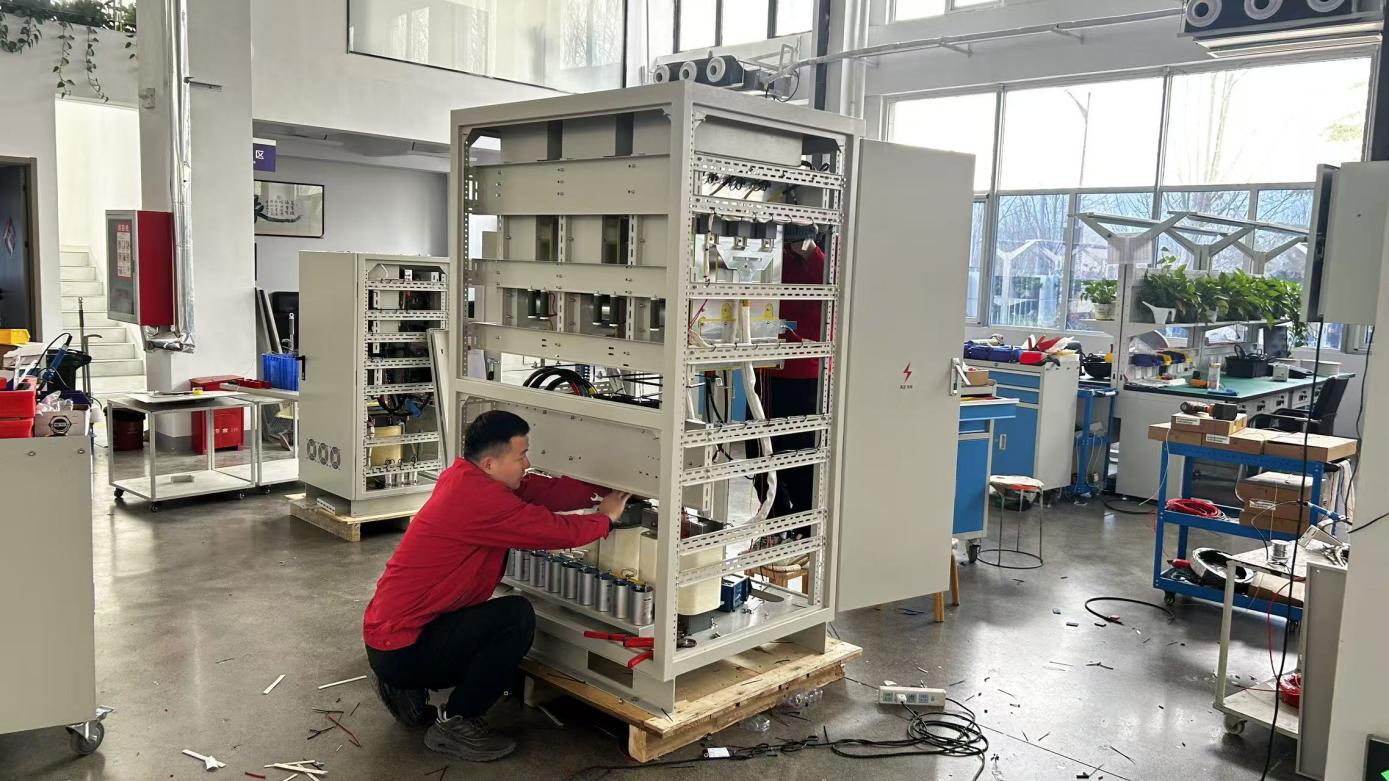
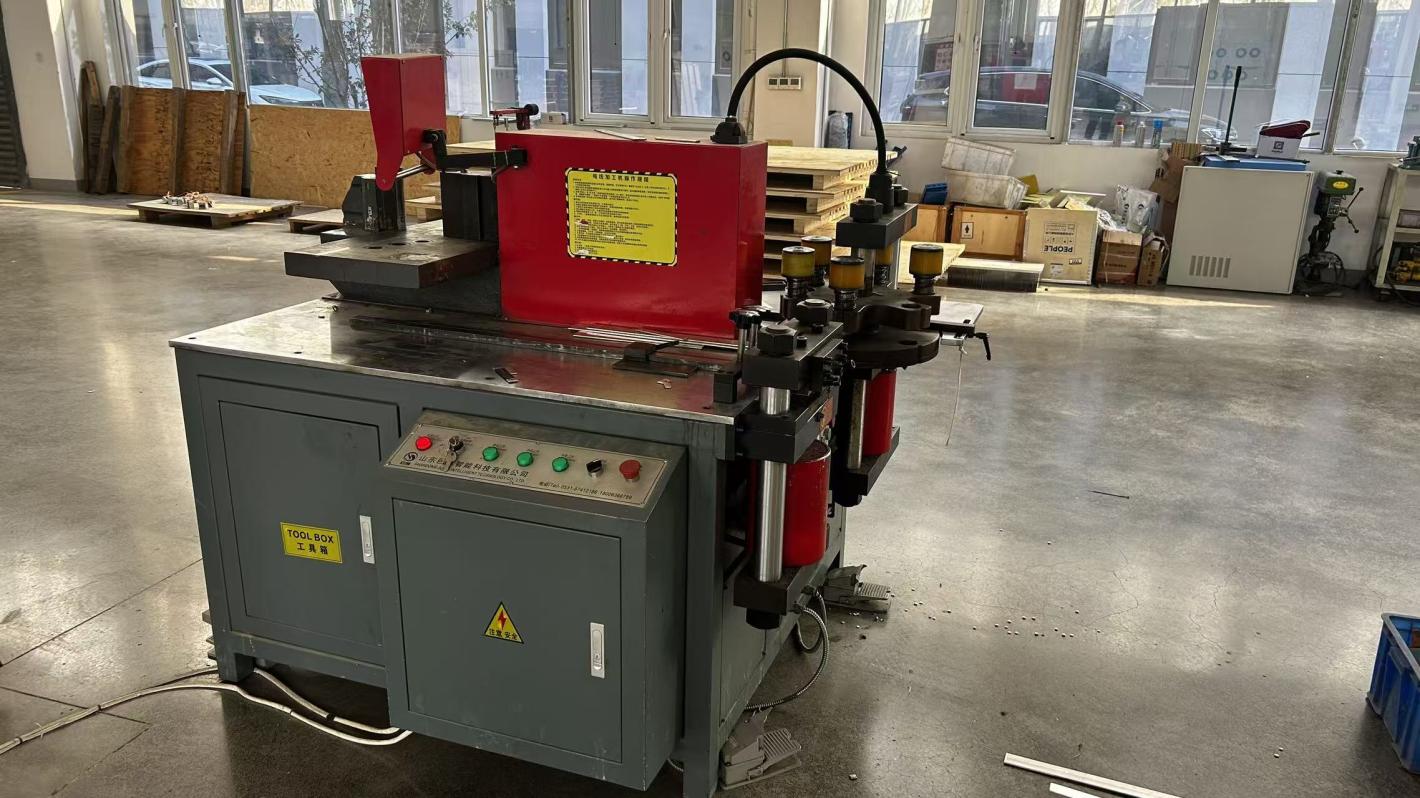
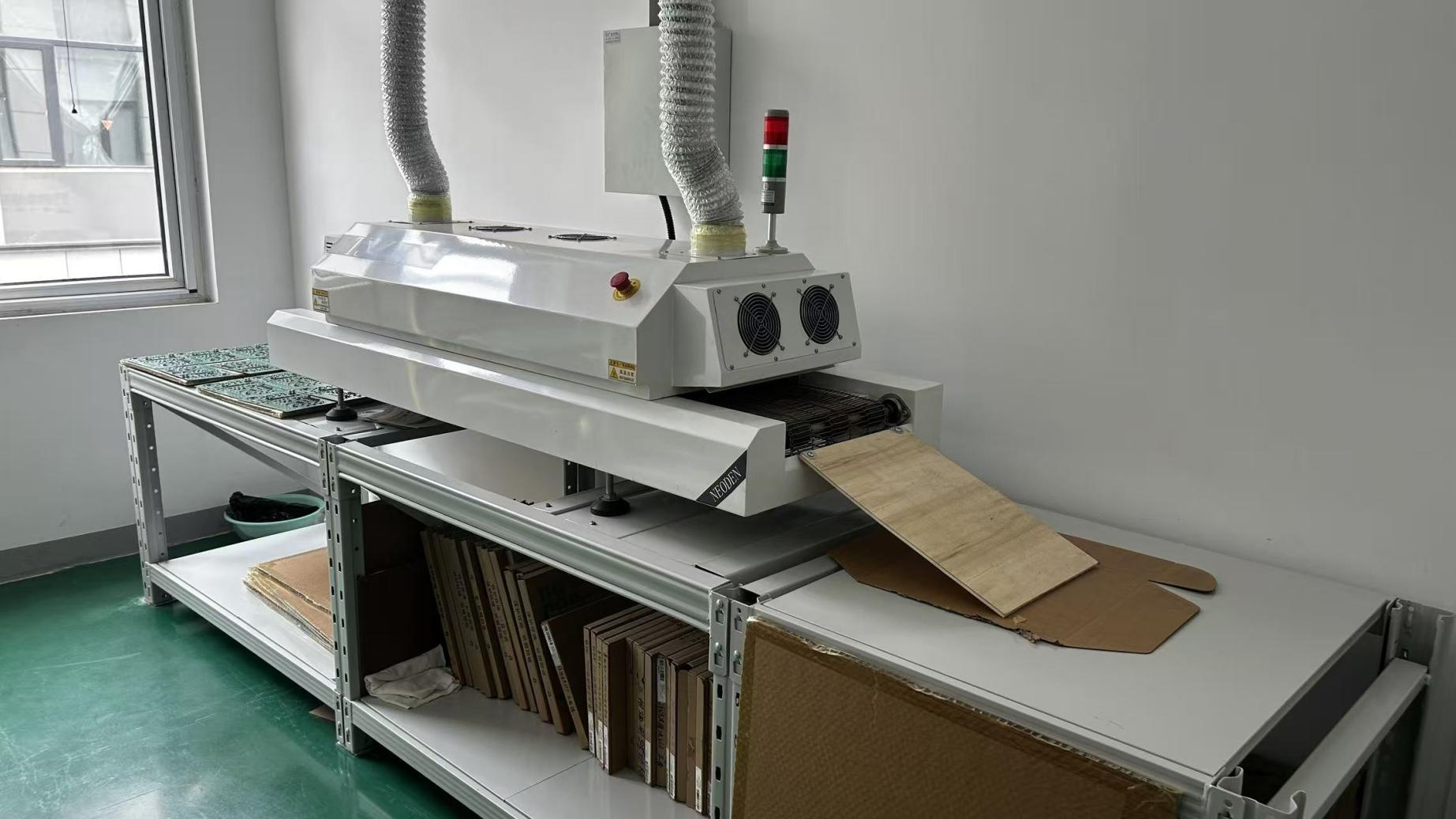
Shenzhen Sophpower Electronics Co., Ltd. was established in 2006, located in Shenzhen, China. As a High-tech enterprise with sustainable and rapid growth, Sophpower has a group of technical engineers with rich experience in the field of testing power supply and control systems. Our core product lineup—including AC Power Sources, Linear AC Power Sources, Bidirectional AC Power Sources, DC Power Supplies, Bidirectional DC Power Supplies, Voltage Regulators, and UPS solutions—represents the foundation of our engineering capabilities. We leverage this deep experience to source, assemble, and test relay switching systems that are integrated into our custom test benches and power equipment.
The localized supply chain ecosystem in Shenzhen allows us to source raw materials, silicon components, and precision mechanical parts with minimal lead times. This agility enables us to provide customized test power supplies and tailored switching interfaces to our clients' precise technical requirements without extending lead times.
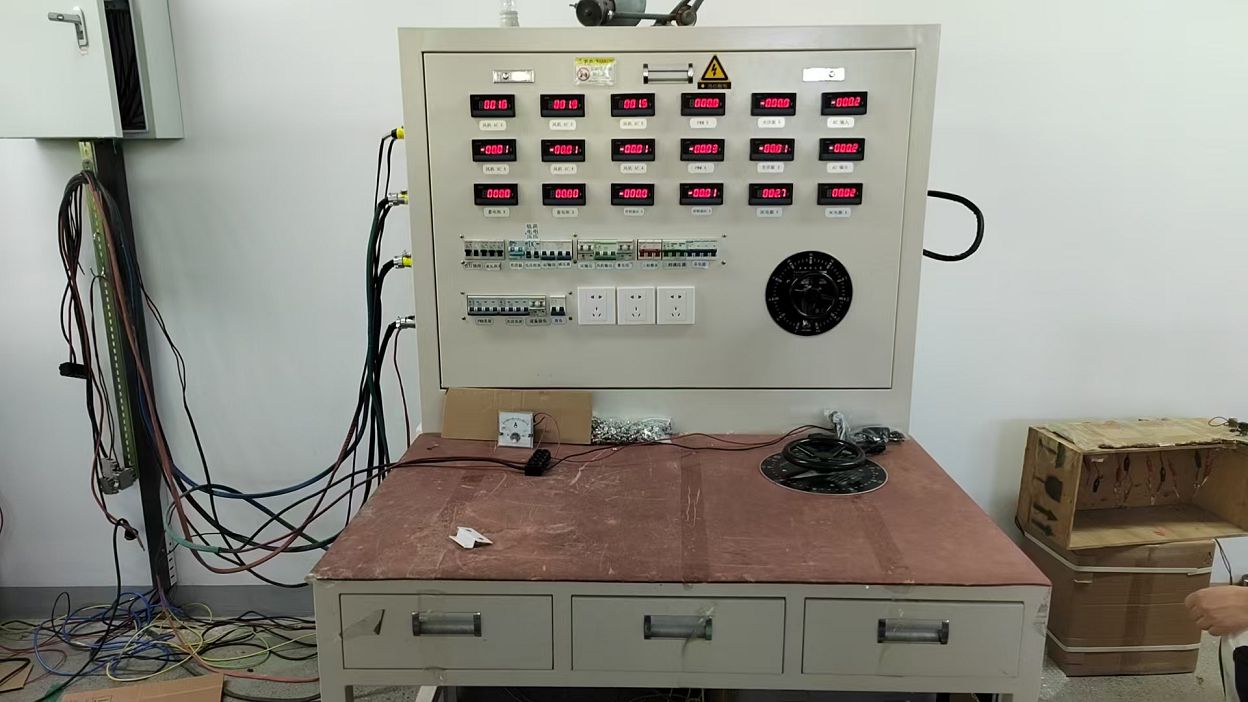
Rigorous Calibration, Testing & Quality Control Instruments
How we verify switching performance, insulation barriers, and mechanical endurance of our electrical systems.
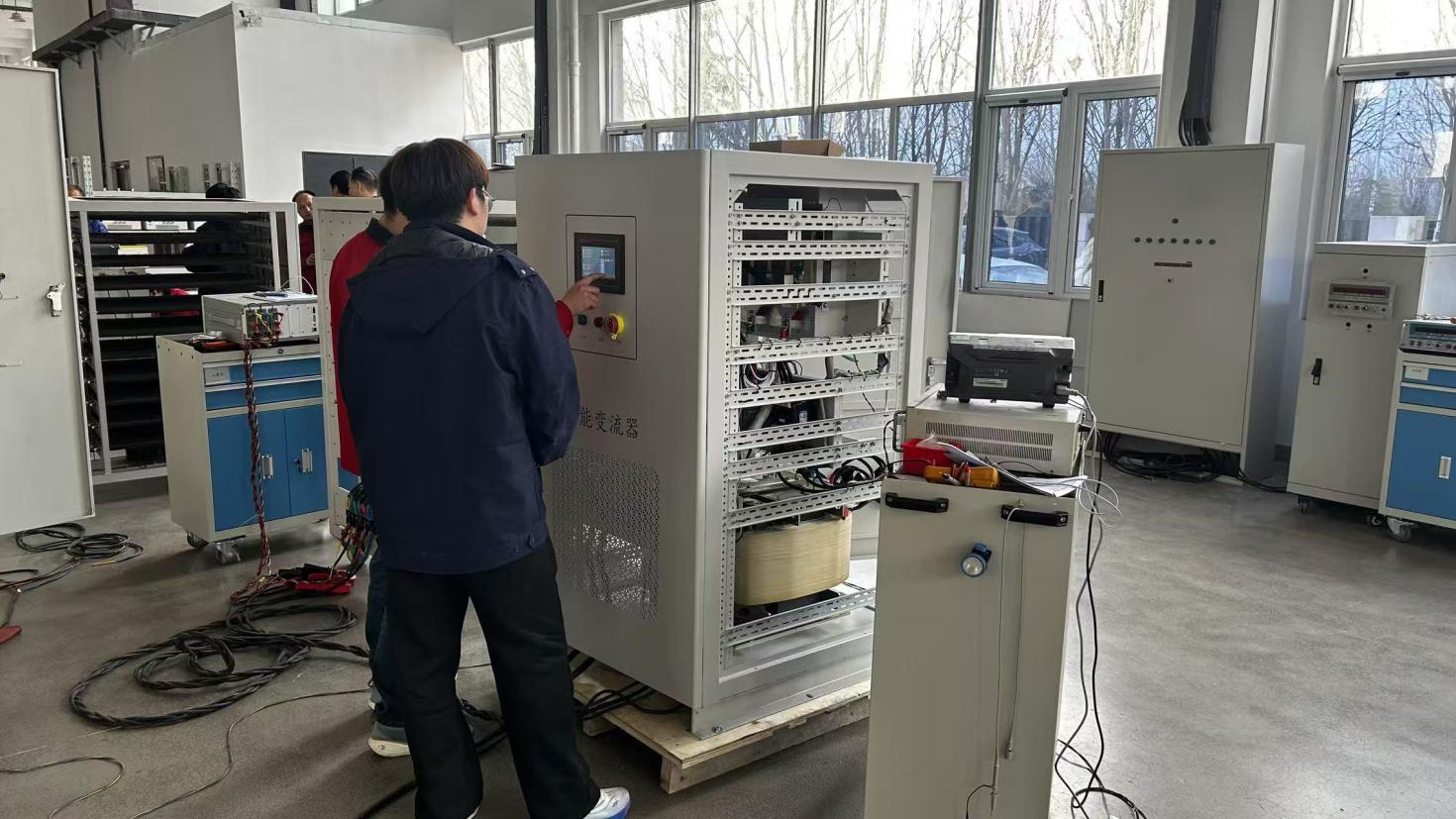
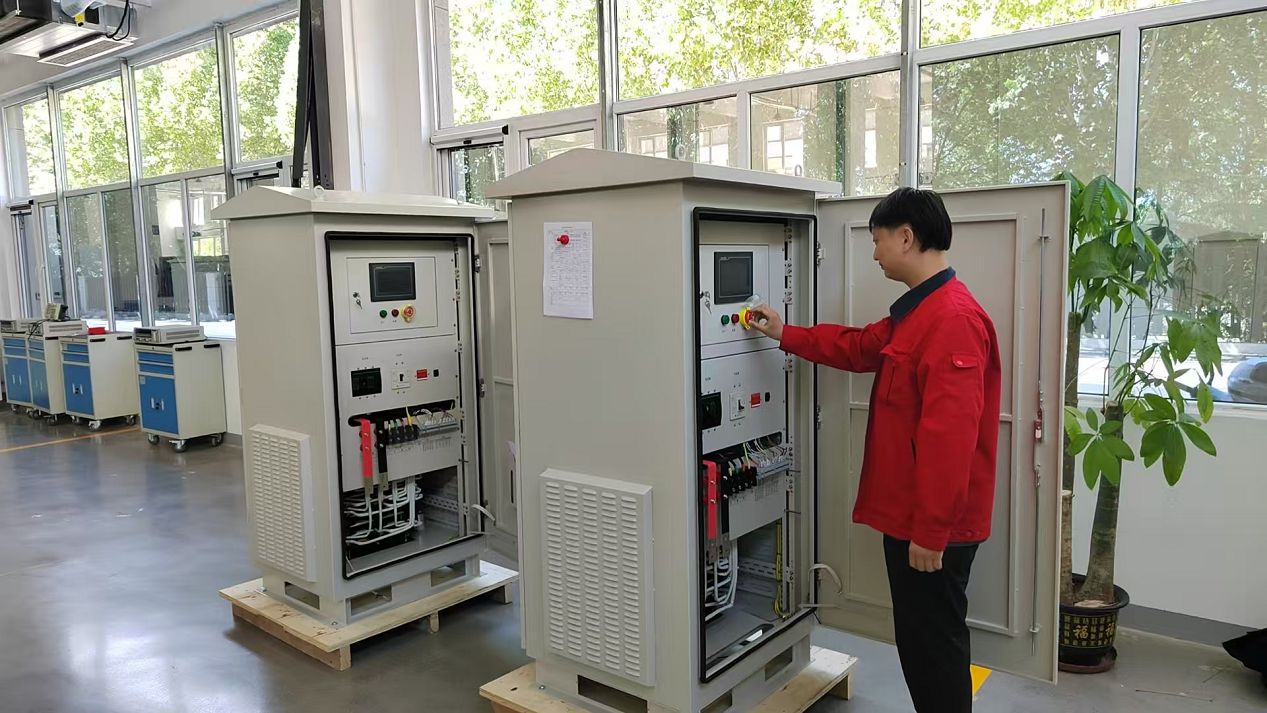
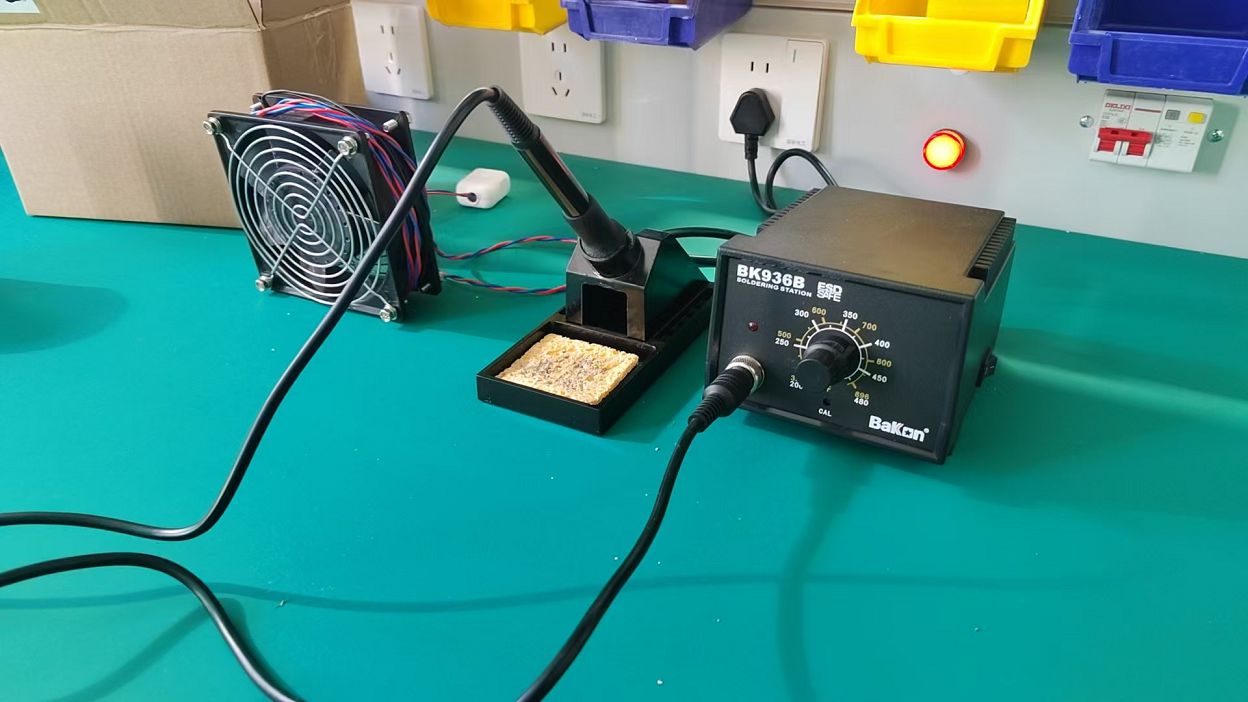
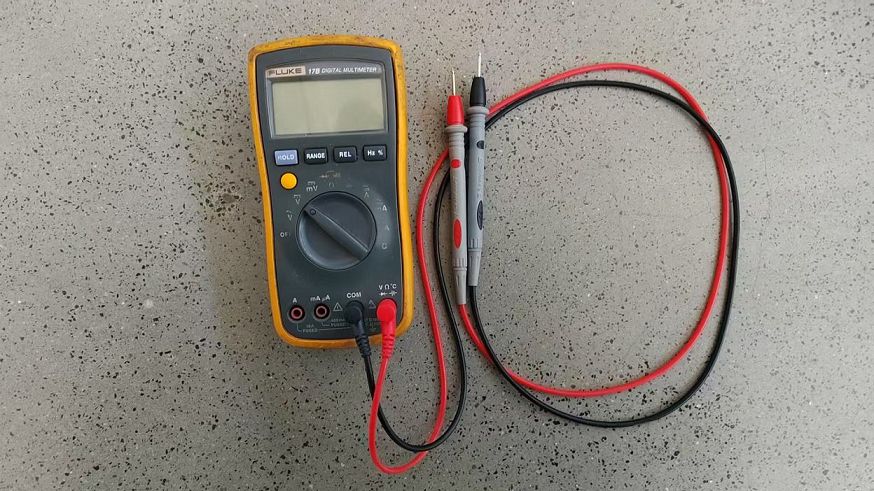
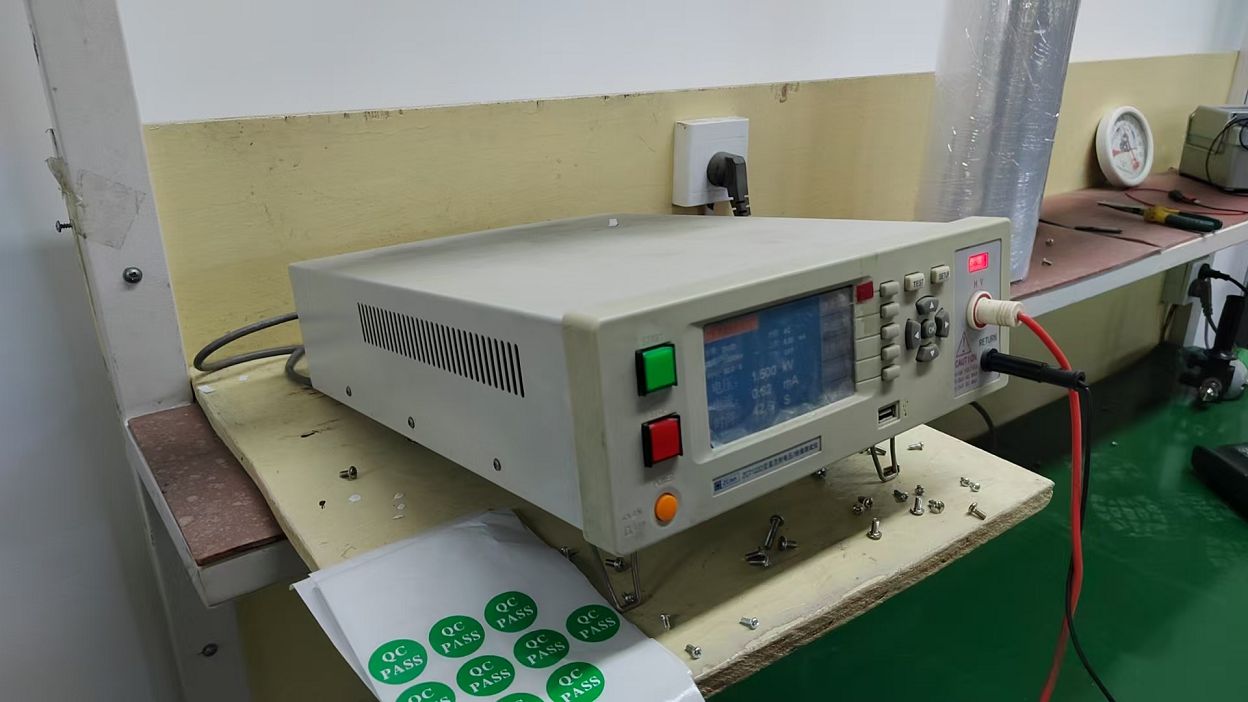
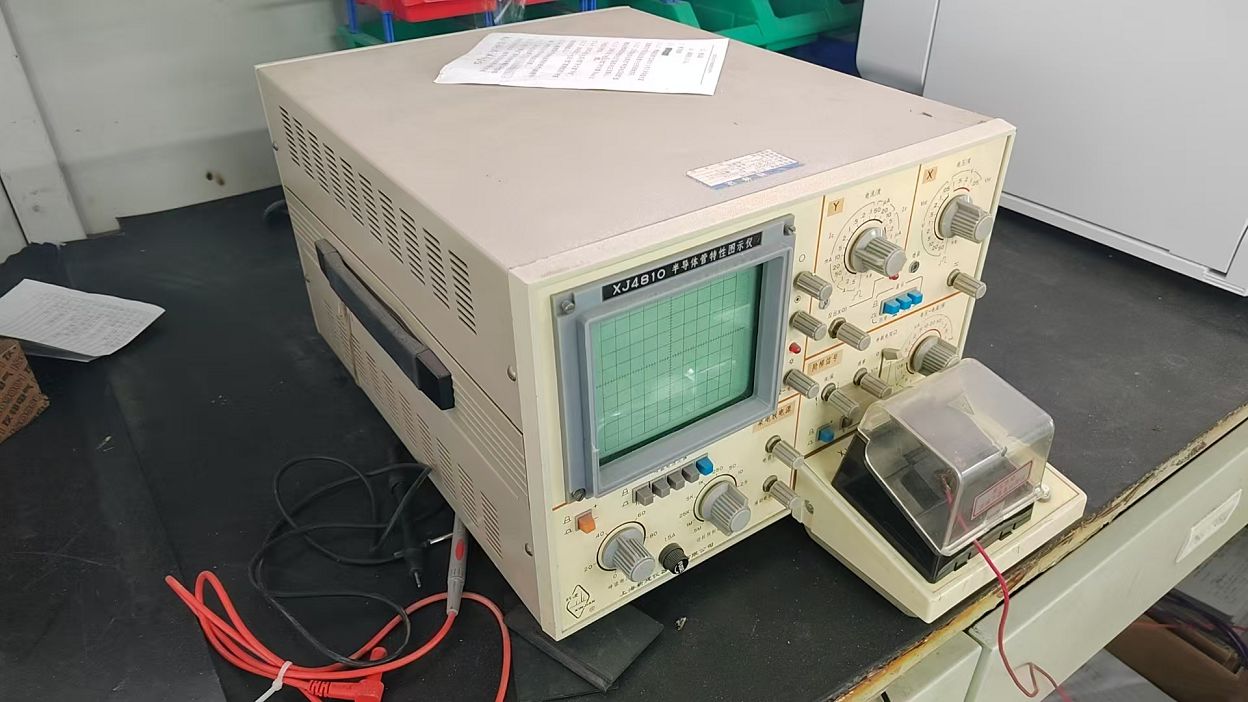
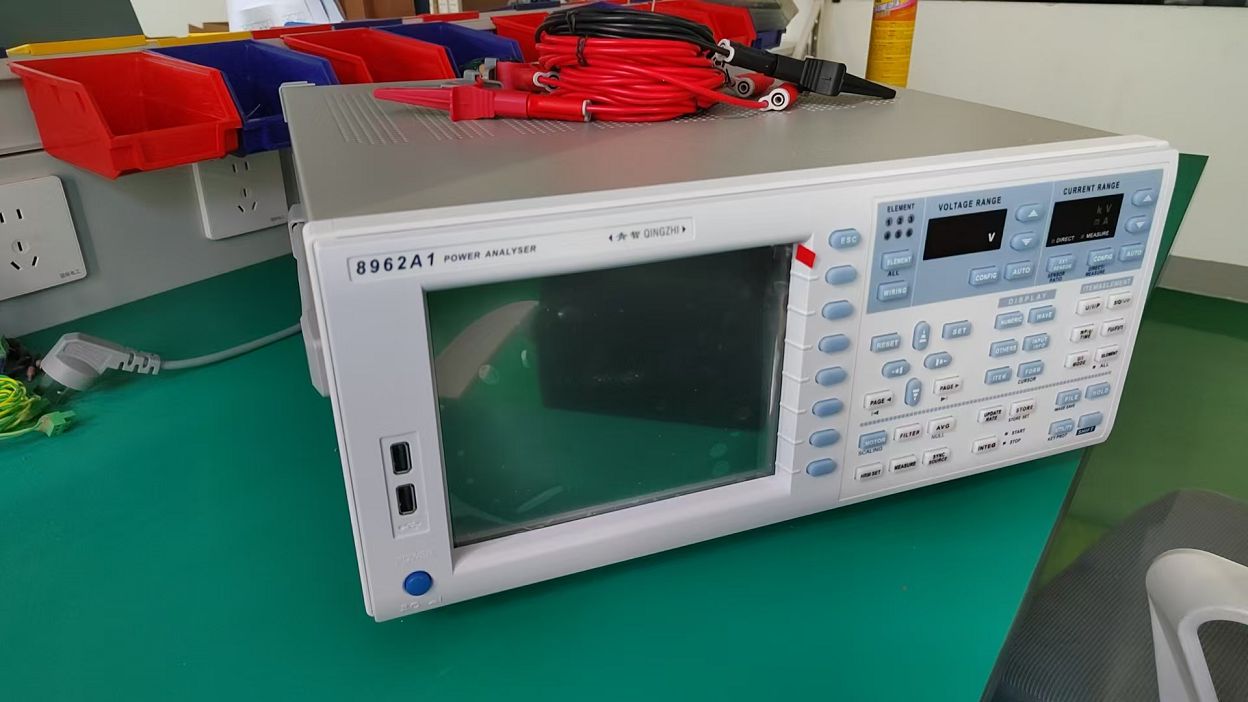
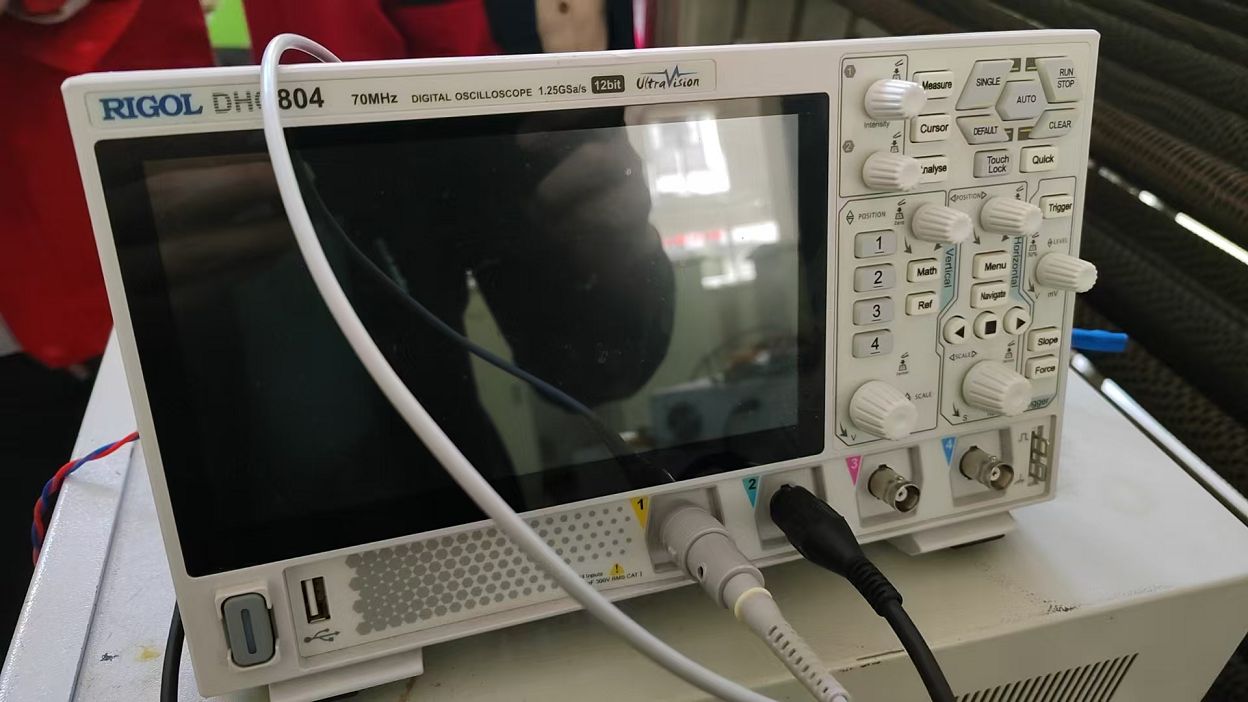
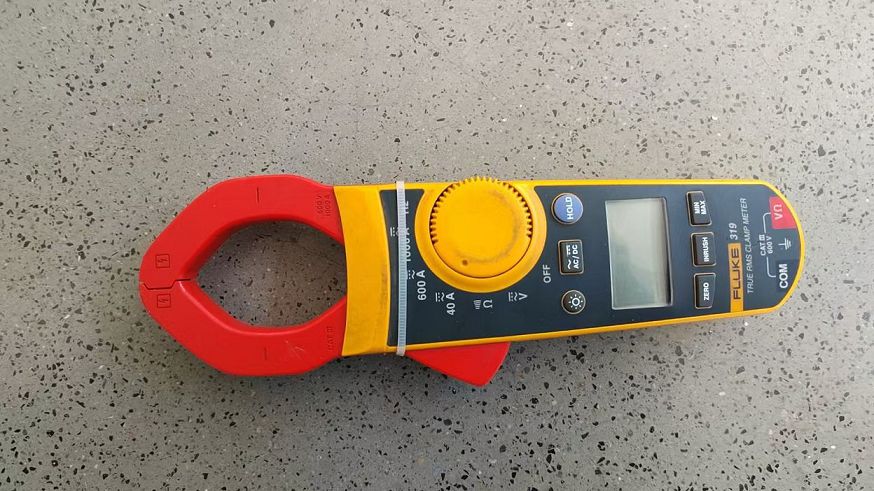
E-E-A-T is not just a certification standard; it is our operational philosophy. Every batch of control devices, relay modules, and custom power units undergoes extensive laboratory qualification testing. We utilize high-grade testing instrumentation, from digital oscilloscopes for timing and bounce testing to advanced power quality analyzers that measure the stability of the switched waveform under load.
Standardized Inspection & Analytical Equipment

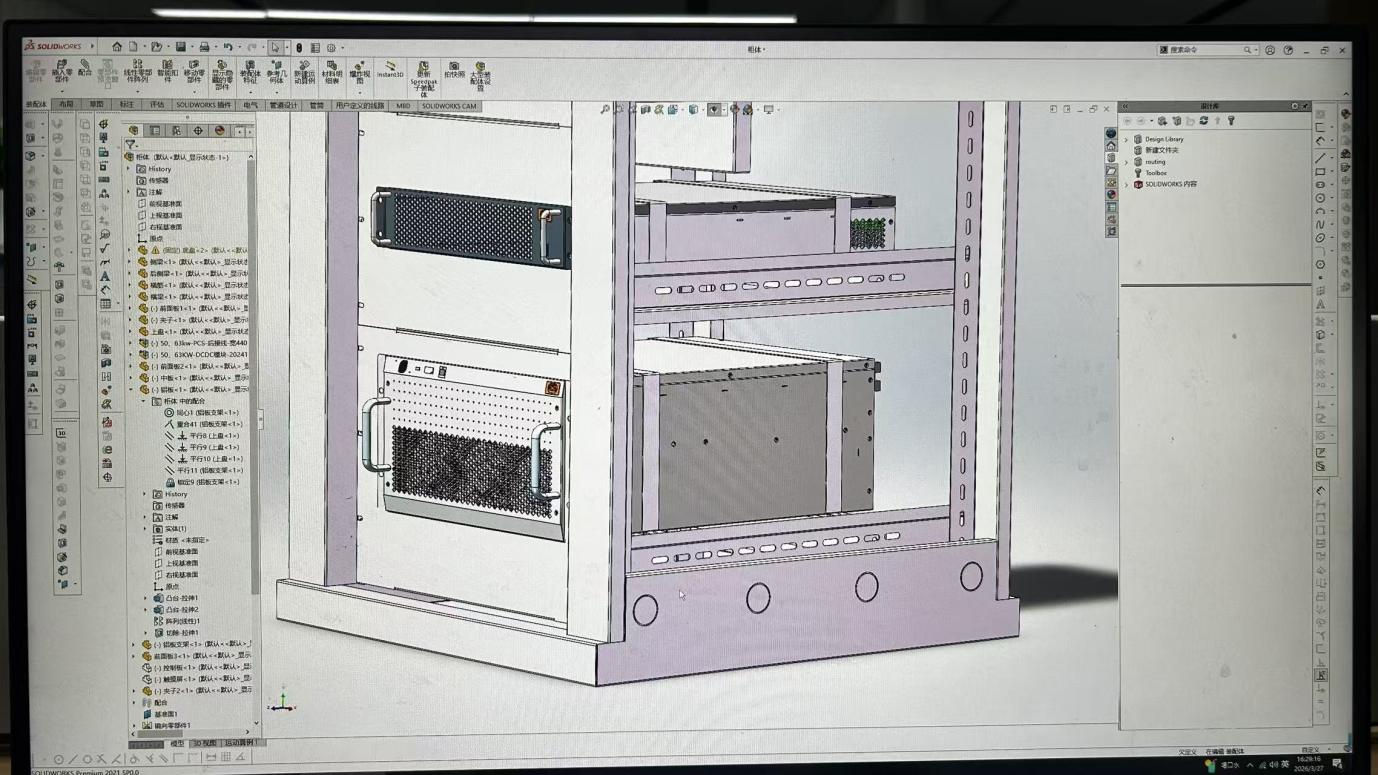
Precision Drawing & Design
CAD schematics and layout optimization for electrical systems integration.
Smart Control Systems
Embedded firmware programming and software validation protocols.
Traceable Certification
All testing data is recorded, cataloged, and backed by a comprehensive QA system matching international standards.

Local Support, Customization, & Compliance Assurance
Aligning custom design parameters to your region's grid constraints and compliance frameworks.
Choosing Sophpower as your CE certified relay module exporter guarantees complete support beyond standard hardware. We offer customized modification services for voltage profiles, channel configurations, contact protection networks, and termination options (e.g., screw terminal blocks, spring-clamp systems, or ribbon cable headers).
Our engineers provide documentation to streamline your final product's system-level validation. This includes full dielectric strength profiles, creepage and clearance distances, input voltage thresholds, thermal degradation curves, and step-by-step schematics. Our technical support team works alongside you to address localized issues, whether adjusting relay response times to avoid PLC timeout faults or designing custom snubber values for highly inductive contactors.
Frequently Asked Questions: Technical Engineering Guidance
Critical design and integration insights for plant engineers and procurement teams.
What does "CE Certified" verify for a relay module?
CE certification indicates that the relay module complies with critical EU directives. These include the Low Voltage Directive (LVD) 2014/35/EU, which assesses electrical insulation safety, dielectric strength, and creepage distances, and the Electromagnetic Compatibility (EMC) Directive 2014/30/EU, which ensures that the module neither emits excessive EMI nor is overly susceptible to external noise fields.
Why is contact material selection critical for relay module life expectancy?
Different contact materials offer distinct benefits. Silver Nickel (AgNi) provides high electrical and thermal conductivity with excellent resistance to mechanical wear, making it ideal for resistive loads. Silver Tin Oxide (AgSnO2) is highly resistant to material transfer and contact welding, making it the preferred choice for switching capacitive or high-inrush inductive loads.
How do optocoupler circuits improve noise immunity?
An optocoupler utilizes an LED paired with a phototransistor to transmit control signals across an air gap using light waves rather than a physical connection. This isolates the sensitive microprocessor logic circuit from the load side, blocking high-voltage surges, feedback loops, and electrical noise from reaching the controller.
Can Sophpower customize relay modules for unique voltage or multi-channel demands?
Yes. Leveraging our advanced production and debugging tools in Shenzhen, we design and produce custom switching matrices, multi-channel configurations, alternative drive logic options, and integrated terminal blocks configured for your specific industrial application.
What is the standard lead time for customized orders?
Lead times depend on the complexity of the design. Standard production modifications can take between 2 to 4 weeks. Utilizing our local supply chain in Shenzhen, we minimize delay times, from component selection to final quality inspection and testing.
Advanced Industrial Switching & Power Controllers
Discover additional high-voltage programmable and adjustable power modules built for heavy industrial usage.