In the ever-evolving landscape of technology, the demand for Programmable Power Supplies (PPS) continues to surge at a remarkable pace. According to a recent report by Markets and Markets, the global Programmable Power Supply market is projected to reach $2.4 billion by 2025, growing at a CAGR of 5.2%. This growth reflects the increasing need for precision power solutions across various industries, including automotive, telecommunications, and aerospace.
Industry expert Dr. Emily Chen, a leading authority in power electronics, emphasized, "The ability to program voltage and current critically enhances testing capabilities." Her insights highlight a significant trend: companies are seeking more adaptable and efficient power solutions. Programmable Power Supplies allow engineers to create testing environments that closely mimic real-world conditions. This capability is vital for the development of advanced technologies.
However, challenges still exist. Not all manufacturers provide the same level of reliability or features. Buyers often face a steep learning curve when integrating these systems into their workflows. As industries continue to grow, the need for cross-border solutions in the power supply sector will become increasingly evident. Investing wise in a Programmable Power Supply is more crucial than ever for future-ready companies.
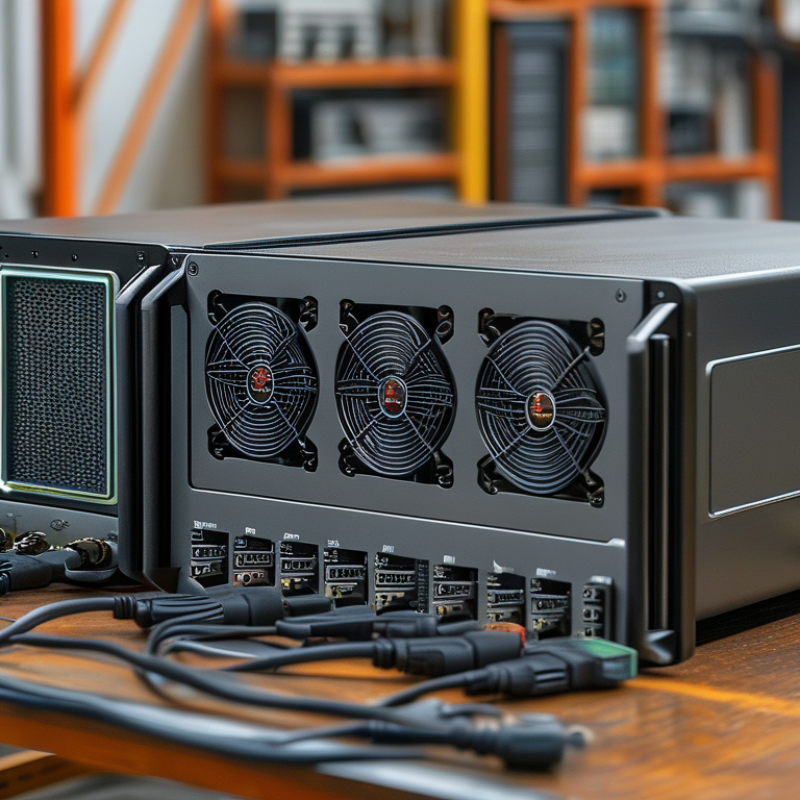
Programmable power supplies play a crucial role in various applications, from research labs to manufacturing. They provide precise voltage and current control, enabling engineers to test and validate electronic devices. With these supplies, users can simulate different conditions, which is vital for product reliability and safety.
The importance of programmable power supplies extends beyond simple testing. They allow for highly accurate and repeatable results, fostering innovation. Researchers can quickly adjust parameters to meet specific needs, saving time and resources. However, choosing the right power supply can be daunting. Factors like output range, programming capabilities, and connectivity options need careful consideration.
In practice, not all programmable supplies are user-friendly. Some may offer advanced features but lack intuitive interfaces. This can lead to frustration, especially for new users. It's essential to find a balance between complexity and functionality. Testing different models and seeking expert advice can help avoid costly mistakes. Ultimately, the right choice should align with project goals and user experience.
When selecting a programmable power supply, several key features come into play. Voltage range is vital. A wide range allows for flexibility in various applications. Users often require power supplies that can handle both high and low voltage projects. Checking for output accuracy is also essential. Precision in voltage and current is crucial for successful testing and development.
Another feature to consider is the control interface. Intuitive software can streamline operation and enhance user experience. Look for options that offer integration with common programming languages or platforms. Additionally, consider connectivity options. Ethernet and USB interfaces may be important for remote access and control.
Reliability should not be overlooked. Longevity can affect the overall cost of ownership. Some power supplies may lack durability, leading to potential downtime during critical tasks. Performance under various conditions is another area to assess carefully. Users often find that environmental factors can impact a power supply's output consistency. Balancing these features can lead to better choices in the long run.
When selecting programmable power supplies, global buyers face numerous options. The key is to focus on reliable brands with a track record in performance. Reports indicate that the programmable power supply market is projected to grow significantly, reaching around $2 billion by 2027 due to increasing demand in various industries. Buyers should consider power supplies that offer high precision and stability.
Some noteworthy models include those with advanced features such as remote sensing capabilities. These enhance voltage accuracy by compensating for voltage drops over long cables. Industry experts emphasize the importance of low ripple and noise parameters for sensitive applications. Reports suggest that a ripple voltage below 10mV is ideal for many electronics testing scenarios.
However, not all options provide consistent results. Some models may struggle with load stability, affecting device performance. Each choice comes with trade-offs, such as cost versus features. It's essential to evaluate needs carefully. Additional attention to user experience and post-purchase support can also make a significant difference in long-term satisfaction.
In the competitive landscape of programmable power supplies, an in-depth analysis reveals critical insights into pricing and performance. According to a recent industry report, the global market for programmable power supplies is expected to reach $1.2 billion by 2025. This growth is driven by the increasing demand for advanced testing solutions across sectors such as automotive, telecommunications, and consumer electronics.
Price variations among suppliers can be significant, with entry-level models starting around $500, while high-end options can exceed $5,000. Performance metrics such as voltage stability, load transient response, and efficiency ratings are paramount. The market shows that units with higher efficiency ratings tend to come with a steeper price tag. However, investing in more reliable power supplies can reduce long-term operational costs significantly. Some models demonstrate less than 1% voltage fluctuation under load, which is impressive.
Despite the advancements, many users report challenges in integrating these systems into existing workflows. Compatibility and ease of use remain concerns. The industry also faces issues with support and documentation quality, which can be frustrating for developers. Furthermore, as technology evolves, staying abreast of the latest features can be daunting. This environment necessitates constant reflection and adaptation from both consumers and manufacturers.
This chart compares the pricing and performance (maximum output power in Watts) of various programmable power supply options on the market.
Users around the globe share their experiences with programmable power supplies. Many appreciate the versatility these devices offer. They can adapt to different needs easily. Some users report difficulties in understanding the interface. A steep learning curve can lead to frustrations. However, once mastered, efficiency improves significantly.
Reliability is another key aspect. Users emphasize the importance of consistent performance. Several mention issues with power fluctuations during operation. This can hinder important projects and lead to setbacks. On the flip side, positive feedback highlights accuracy in output settings. Many users value precise voltage and current adjustments.
Community forums often have discussions about user preferences. It is common to find diverse opinions on the ideal features. Some seek extensive display options, while others prefer simplicity. While many praise the build quality, issues with customer support arise frequently. It's a reminder that user experiences vary widely. These insights guide potential buyers and offer a realistic view of the market.
: They provide precise voltage and current control for testing electronic devices.
They enable accurate simulations, enhancing product reliability and safety in various applications.
Factors include output range, programming capabilities, and connectivity options for your needs.
No, some have complex interfaces that can frustrate new users. Finding the right balance is essential.
Prices range significantly, with entry-level models starting around $500 and high-end models exceeding $5,000.
Often, yes—models with higher efficiency ratings tend to cost more but may reduce long-term operational costs.
Many report difficulties with compatibility, integration into workflows, and varying support quality.
Feedback is mixed. Some appreciate versatility, while others struggle with the interface and power stability.
It reflects diverse user preferences and helps potential buyers understand varying experiences and features.
Many users report power fluctuations and inconsistent performance, which can disrupt projects significantly.
Programmable Power Supplies (PPS) play a crucial role in a variety of applications, from testing electronic devices to research and development. Their flexibility and precision allow users to adapt power parameters to meet specific needs, making them indispensable tools in modern engineering and lab environments. When selecting a Programmable Power Supply, buyers should consider key features such as voltage and current range, programming interface, and output stability, which can significantly impact performance.
An analysis of the market reveals a range of brands and models that cater to diverse user requirements. Comparative price assessments indicate a balance between cost and functionality, allowing global buyers to make informed choices. Additionally, user reviews provide valuable insights into real-world performance, helping prospective buyers understand the strengths and weaknesses of different options on the market. Ultimately, investing in the right Programmable Power Supply can enhance productivity and precision in various applications.
