In the world of electronics, the importance of a Programmable Linear Power Source cannot be overstated. Dr. Emily Chen, a renowned expert in power electronics, states, "A high-quality power source can make or break your project." This highlights the critical role such devices play for engineers and hobbyists alike.
Programmable Linear Power Sources provide precise voltage and current control, making them invaluable for testing and development. Their programmable nature allows users to automate and replicate test conditions accurately. These features lead to significant time savings in product development.
However, it's essential to choose wisely. Not all power sources are created equal. Some may lack reliability or suffer from inaccuracies. Understanding the benefits is crucial. The right Programmable Linear Power Source can elevate projects and ultimately lead to better performance and efficiency.
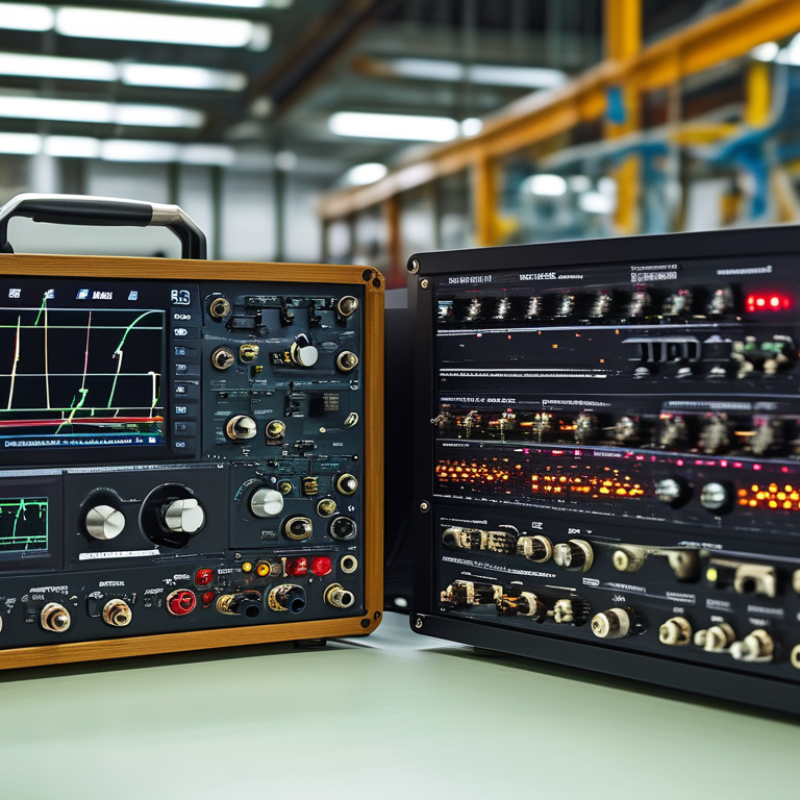
Programmable linear power sources offer significant benefits for users, especially in testing and development environments. Their precise control over voltage and current allows engineers to simulate real-world conditions accurately. For instance, they can adjust parameters in real time to address varying loads. This adaptability promotes efficient testing of devices under different conditions.
Moreover, users appreciate the stability and low noise typically associated with linear programmable power supplies. This quality ensures that sensitive electronic components are not exposed to harmful fluctuations. Engineers can focus on innovation rather than worry about power instability. However, it’s essential to note that while they provide clean power, this can come at a higher cost compared to switch-mode power supplies.
Another key advantage lies in the ability to automate testing processes. Programmable features facilitate automated sequences, reducing the potential for human error. Yet, this also requires a deep understanding of the software used. Users must invest time to learn these systems effectively. Overall, the benefits are substantial, but there is always room for improvement in mastering their complexities.
Programmable linear power sources offer unmatched precision in controlling output voltage and current. This feature is vital for various applications, including testing and development in electronics. Engineers rely on precise voltage for accurate testing. Any fluctuation can lead to unreliable results. With a programmable power source, users can set specific parameters, ensuring consistent performance throughout the testing phase.
The ability to program and adjust outputs enhances control significantly. Users can define parameters and monitor real-time changes. This fine-tuning capability allows for the exploration of various configurations without extensive hardware changes. Some might find programming these devices challenging. A learning curve exists, but with practice, users gain confidence in their ability to operate and utilize these tools effectively.
Control over output leads to safer operations, but there are risks if misconfigured. Users need to understand how settings affect their work. Achieving the right balance is crucial. Missteps can cause equipment damage or inaccurate data collection. Investing time in understanding the technology pays off in the long run. Programmable linear power sources transform testing into a more controlled and accurate process.
Programmable linear power sources are pivotal across various industries. Their versatility makes them indispensable for multiple applications. In sectors like aerospace and automotive, these sources ensure precise voltage and current delivery. Recent industry reports highlight that 63% of engineers prefer programmable sources for prototyping. This preference indicates significant advantages in innovation and efficiency.
In the medical field, programmable linear power sources provide stable and reliable power. Devices such as imaging equipment and diagnostic tools require consistent power inputs. A study by Electro-Technical Publications mentions that stable power can increase the lifespan of sensitive devices by over 30%. This reliability is crucial, especially when human lives depend on technology.
Manufacturers in electronics also benefit greatly from these power sources. They offer flexibility in testing and production. A survey indicates that 58% of electronic firms reported reduced time-to-market by using programmability in power testing. This reduction boosts competitiveness but also highlights the need for constant innovations in power technologies. Rigorous testing remains essential to ensure consistent performance across applications.
Programmable linear power sources stand out due to their impressive efficiency. Unlike switching power supplies, they minimize energy loss across various loads. This leads to optimal power delivery, ensuring devices receive what they need without unnecessary waste. For buyers, this feature translates into cost savings on energy bills and increased longevity for connected equipment.
Noise levels are another significant advantage. Linear power sources operate quietly, which is essential in sensitive environments. In laboratories or medical facilities, such noise reduction can enhance focus. It's not just about sound; lower electromagnetic interference means better performance for sensitive instruments. However, buyers should be aware of potential trade-offs. Linear sources may require larger heat dissipation mechanisms, possibly affecting space considerations.
A programmable linear power source is designed for efficiency and flexibility. Buyers often overlook long-term cost savings in favor of initial investment figures. However, the introduction of programmable technology significantly reduces maintenance costs and enhances service life.
With programmable options, users can easily adjust voltage and current settings. This ability allows for tailored applications, preventing unnecessary energy waste. Additionally, they require minimal interventions over time, reducing labor costs for maintenance. Users find that regular adjustments can lead to decreased wear and tear, which translates into fewer replacements.
Investing in a programmable linear power source might seem overwhelming at first glance. There's a learning curve to master the settings and capabilities. However, the long-term benefits become clear. Buyers appreciate the reliability and adaptability, especially in demanding environments. Over time, the return on investment becomes evident in reduced operational costs and improved uptime. The journey to mastering such a system can be challenging, but the rewards justify the effort.
: Various industries benefit, including aerospace, automotive, and medical fields.
63% of engineers prefer them for prototyping due to improved innovation.
Stable power increases the lifespan of devices by over 30%, saving lives.
58% of firms report reduced time-to-market due to flexible power testing.
Users can adjust settings easily, improving efficiency and reducing waste.
They need minimal maintenance, lowering the overall operational costs.
Yes, mastering them can be challenging, but benefits become clear over time.
Yes, they reduce long-term costs, making them a smart investment.
Users often struggle with initial setup and mastering features.
They enable rapid testing, leading to faster product releases and market action.
A Programmable Linear Power Source offers numerous benefits that make it an attractive choice for users across various industries. One of the key advantages is its enhanced precision and control in output voltage and current, which is essential for applications requiring exact specifications. Additionally, these power sources provide versatility, supporting a wide range of applications from testing and research to manufacturing processes.
Moreover, Programmable Linear Power Sources boast improved efficiency and lower noise levels compared to traditional switching sources, making them ideal for sensitive electronic applications. They also represent a cost-effective solution for long-term usage and maintenance, ensuring reliability and performance over time. Overall, the features of Programmable Linear Power Sources significantly contribute to optimized operations and user satisfaction.
