How to Choose the Best DC Power Supply for Your Needs?

Time:2026-08-12 Author:Oliver
0%

Choosing the right DC Power Supply can be daunting. The market offers a vast array of options. According to Michael H. Robinson, an expert in DC power systems, “Selecting a DC Power Supply is critical for any project’s success.” His insight highlights the importance of making an informed decision.

Understanding your specific needs is essential. Whether for electronics testing, hobby projects, or industrial applications, each requirement varies. A poor choice can lead to inefficiency or even equipment damage. It is crucial to evaluate your voltage and current requirements carefully.

Some may rush into buying, influenced by brand names or features. However, deeper knowledge of specifications is necessary. Reliability and quality ensure long-term use. Customers often overlook adjustable outputs or safety features. Reflecting on these aspects can lead to better choices. Choose wisely; it impacts overall performance.
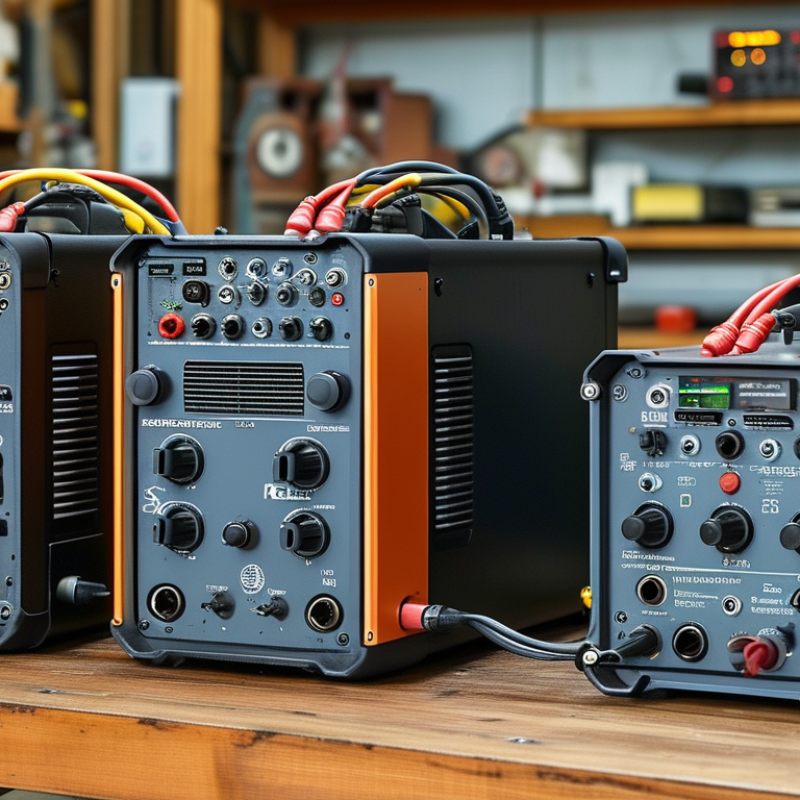
How to Choose the Best DC Power Supply for Your Needs?

Understanding the Basics of DC Power Supplies

When selecting a DC power supply, it's crucial to understand the basics. DC power supplies convert alternating current (AC) to direct current (DC). They serve various applications, like powering electronic devices, battery charging, and more. According to a report by MarketsandMarkets, the DC power supply market is projected to reach $9.3 billion by 2026, reflecting strong demand across industries.

Choosing the right power supply depends on output voltage and current. For example, a supply offering a constant voltage output is ideal for charging batteries. Meanwhile, a constant current supply works best for LED drivers. Many users overlook load regulation, which impacts performance. A supply with a low ripple voltage ensures a stable output, essential for sensitive devices. Weighing the specifications is indispensable.

**Tips:** Measure the required load before buying. Overestimating can lead to inefficiency. Adjust your choice if your application varies. Some users may opt for adjustable supplies, allowing flexibility. Remember, an inefficient power supply might lead to overheating and potential damage. Balancing quality with cost is crucial. Always consider your long-term needs.

How to Choose the Best DC Power Supply for Your Needs?

Feature Description Considerations
Output Voltage The voltage output of the power supply, usually adjustable. Ensure it meets the requirements of your devices.
Output Current The maximum current the power supply can deliver. Select a supply that can handle the total current demands of your circuits.
Power Ratings The total power output (Volts x Amps) capability. Consider your total load and account for some margin.
Regulation How well the power supply maintains the output voltage. Look for low ripple and high regulation specifications for sensitive electronics.
Efficiency Ratio of output power to input power. Higher efficiency means less heat and better performance.
Size and Form Factor Physical dimensions and mounting options. Consider the available space in your project or rack.
Protection Features Overload, over-voltage, and short-circuit protection. Essential for safeguarding your equipment.
Cost Price range of power supplies. Balance cost against features and performance.

Identifying Your Specific Power Requirements

When choosing a DC power supply, identifying your specific power requirements is crucial. Start by determining the voltage needed for your devices. Many electronic components operate within a specific voltage range. For instance, a common requirement is 5V for microcontrollers or sensors. Measuring your components accurately ensures you select the right settings.

Next, examine the current load. Some devices may require a maximum output of 3A, while others function well at 500mA. A mismatch can cause performance issues or damage. It’s vital to account for peak currents too. Sometimes, devices may draw more current during startup. Ignoring this can lead to unexpected shutdowns or failures.

Understand the importance of regulation and ripple voltage as well. A stable power supply is essential for sensitive electronics. Devices like analog sensors may require a lower ripple voltage for accurate readings. Aim for a power supply that meets both your voltage and current specifications. Balancing these factors can be tricky, but a thoughtful approach will lead to successful power supply selection.

Evaluating Power Supply Features and Specifications

Choosing the right DC power supply involves a careful evaluation of its features and specifications. Understanding voltage and current ratings is crucial. These specifications determine if a power supply can meet your project needs. For example, devices that require 5V at 2A need a power supply that can deliver this without strain. It's essential to ensure the output voltage remains stable under load.


Another aspect to consider is the regulation type. Linear power supplies offer low noise and high precision but can be less efficient. Switching power supplies are more energy-efficient but may introduce noise. It’s vital to assess the trade-offs based on your application. Look for features like overcurrent protection and thermal shutdown to enhance reliability.


When examining other specifications, pay attention to size and weight. Portable projects favor lighter options. Be mindful that excessive features can lead to complexity, which might hinder usability. Confirming compatibility with your existing components is key. Sometimes, it’s easy to overlook these details, yet they can cost time and resources later.

Comparing Different Types of DC Power Supplies

When selecting a DC power supply, it's essential to understand the different types available. Linear power supplies offer low noise and stable voltage, making them ideal for sensitive applications. However, they can be bulky and inefficient. Switching power supplies, on the other hand, are compact and efficient. They can deliver high power with less heat, but they might introduce some electrical noise.

Another option is programmable power supplies. These allow users to set specific voltage and current outputs. Programmable supplies are ideal for testing and development purposes. However, they can be more complex to operate. In contrast, bench power supplies are user-friendly and suitable for general applications. They often come with multiple outputs, which can be quite convenient.

Choosing the right type is a balance between your needs and constraints. It’s not just about the specifications. Consider the environment where the supply will be used. Think about physical space, ease of use, and what you are willing to compromise. This involves a bit of introspection on your specific requirements. The process can be tricky, but understanding the trade-offs will guide you to the best choice.

Making the Final Decision: Selection and Purchase Tips

When selecting a DC power supply, consideration is key. Think about your specific requirements. The voltage and current specifications are crucial. You need a power supply that meets your device’s needs without exceeding limits. Detailed documentation is vital when purchasing. Check the technical specifications listed.

Also, consider the type of output. There are fixed, adjustable, and programmable options. Each serves different purposes. Fixed supplies are straightforward, while adjustable ones offer flexibility. Programmable versions provide advanced control. Match your selection with your projects. Think deeply about your future needs as well.

Price is a significant factor, but it’s not everything. A cheap option may lead to future costs in replacements. Analyze warranties, customer reviews, and manufacturer reputation. It’s essential to ensure reliability. Balance cost with performance to make an informed choice. Sometimes, it's okay to choose a mid-range option if it meets your needs. Reflect on past projects to guide your decision.

FAQS

: What is a DC power supply?

: A DC power supply converts alternating current (AC) to direct current (DC). It powers various devices and charges batteries.

How do I choose the right power supply?

Assess the required output voltage and current. Ensure it matches your device's specifications for optimal performance.

What is load regulation, and why is it important?

Load regulation measures how stable the output remains under varying loads. Poor regulation can affect sensitive devices.

What should I consider regarding ripple voltage?

A low ripple voltage indicates a stable output. This stability is vital for devices requiring consistent performance.

Why is it essential to measure the required load?

Overestimating the load can lead to inefficiencies. Adjusting your choice based on actual needs prevents wastage.

What is the difference between linear and switching power supplies?

Linear supplies are low noise and precise, while switching supplies are energy-efficient but may introduce noise.

How important is power supply size and weight?

Size and weight matter for portable projects. Lighter options enhance convenience but may lack some features.

What is the role of overcurrent protection and thermal shutdown?

These features enhance reliability by preventing damage from excessive current or overheating during operation.

What happens if I focus too much on features?

Excessive features can complicate usability. Prioritize essential functions to avoid unnecessary complexity in your project.

Why should I check compatibility with existing components?

Overlooking compatibility can lead to wasted time and resources. Confirming this detail is essential for project success.

Conclusion

Choosing the best DC Power Supply for your needs requires a clear understanding of its basics and your specific power requirements. Start by identifying the voltage and current specifications necessary for your applications, as this will guide your selection. Familiarize yourself with the features and specifications of various power supplies, such as output stability, efficiency, and protection mechanisms.

Moreover, comparing different types of DC Power Supplies is crucial, as they come in various designs tailored for specific uses, whether for laboratory work, industrial applications, or portable needs. Finally, when making your purchase decision, consider factors like warranty, customer support, and reviews from other users to ensure you choose a reliable and suitable DC Power Supply for your project.

Oliver

Oliver

Oliver is a seasoned marketing professional with a wealth of expertise in driving brand awareness and engagement. With a deep understanding of our company's product offerings, he consistently delivers high-quality content that enriches our professional blog. His insights not only shed light on......