How to Choose the Best AC Power Source for Your Needs?

Time:2026-07-28 Author:Oliver
0%

When selecting an AC power source, it's crucial to consider your specific needs. John Smith, a leading expert in electrical engineering, once stated, "Understanding your power requirements is key to finding the right AC power source." This insight highlights the importance of tailoring your choice to reflect both the technical specifications and practical applications.

Choosing the right AC power source can be overwhelming. There are numerous options available, each with unique features. Factors like voltage, current, and load type must be carefully evaluated. An ill-suited choice can lead to inefficiencies or failures. Additionally, users often overlook the importance of reliability and stability in power supply.

In a world that relies heavily on electronic devices, selecting the best AC power source is more significant than ever. Many individuals struggle with understanding how different specifications can impact their equipment. Investing time in research and consultation can prevent future headaches. Your power source can either empower your operations or diminish them significantly.
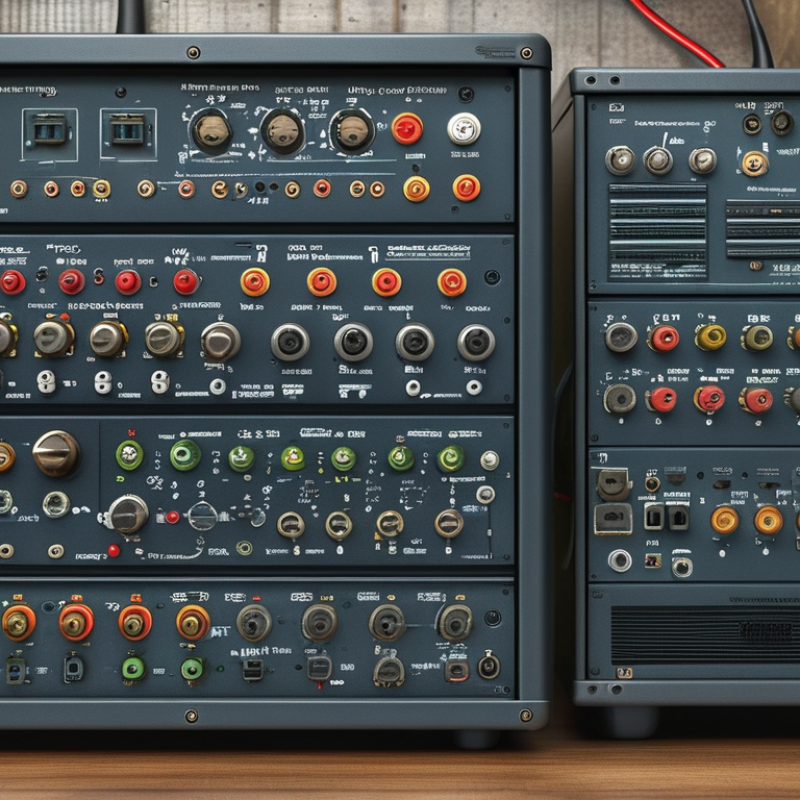
How to Choose the Best AC Power Source for Your Needs?

Understanding Your Power Requirements

When choosing an AC power source, understanding your power requirements is crucial. Assess how much power your equipment needs. Calculate the total wattage for all devices. This total will guide you in selecting the right source. Remember, devices vary significantly in power consumption. Many fail to account for startup surges, which can be several times higher than running watts.

Consider the voltage and frequency of your equipment. Most devices operate on standard 120V or 240V systems. However, specialized equipment may require different specifications. Research and verify compatibility before making a decision. It's easy to overlook these details, but they can lead to costly mistakes.

Power sources come in various forms, including generators and inverters. Each has its pros and cons. Generators offer more power but can be noisy and less efficient. Inverters are often quieter and portable but may have lower output. Analyze your situation. Reflect on where and how you will use the power source. The right choice requires careful thought and consideration.

How to Choose the Best AC Power Source for Your Needs? - Understanding Your Power Requirements

Power Requirement (Watts) Recommended AC Power Source Type Key Features Typical Applications
< 500 W Standard AC Outlet Simple setup, widely available Small appliances, electronics
500 W - 1500 W Dedicated Circuit Enhanced safety, reduced overload risk Power tools, kitchen appliances
1500 W - 3000 W Inverter Generator Portable, quiet operation, fuel-efficient Outdoor events, camping
3000 W - 6000 W Standby Generator Automatic transfer switch, high power output Home backup, large appliances
> 6000 W Commercial Generator Heavy-duty, multiple outlets Construction sites, large events

Types of AC Power Sources Available

When choosing an AC power source, it’s vital to understand the types available. Homeowners often overlook standard wall outlets. These typically provide 120V in North America or 230V in Europe. They are suitable for most household appliances.

However, there are situations where higher voltages are needed.

Industrial environments often rely on three-phase power sources. According to the International Electrotechnical Commission, three-phase systems can deliver more power efficiently compared to single-phase. This can be crucial for heavy machinery. Additionally, portable generators serve as another option. The U.S. Department of Energy states that using generators can prevent power outages from disrupting operations.

Battery backup systems have gained popularity too. These systems can store energy and supply power during outages. The Global Energy Storage Alliance reported a 50% increase in demand for such systems in the last year. While these types offer flexibility, assessing your specific needs is essential. Not all solutions fit every situation. Finding the right balance may require some trial and error.

Evaluating Efficiency and Performance

When selecting the best AC power source, efficiency and performance are critical factors. Efficiency indicates how much power is converted into usable energy. High efficiency means lower energy costs. However, some models may sacrifice performance for efficiency. An ideal power source should strike a balance between the two.

Consider the power output capacity. It's essential to match this to your specific needs. Too little power may lead to equipment failure, while too much can result in wasted energy. Evaluate the power source's features, such as load regulation and durability. These aspects are vital for long-term reliability.

Focusing on performance involves understanding how the system responds under load. Some sources may perform well under light loads but falter under heavy use. This inconsistency can lead to outages. Explore customer reviews or expert insights to gauge real-world performance. Remember, what works for one situation may not work for another. Always be prepared to reassess your options based on evolving needs.

Assessing Budget Constraints and Costs

When considering an AC power source, evaluating budget constraints is crucial. Knowing your spending limit helps narrow down options. Many features drive up costs. This includes power capacity, efficiency, and additional functionalities. It's essential to balance needs and affordability.


Assessing the total cost of ownership matters. Look beyond the initial price. Maintenance costs, energy consumption, and potential replacements affect long-term expenses. A cheaper option might lead to higher bills or frequent repairs, which can add up. Investing in quality often pays off over time, but this decision requires careful thought.


Even experienced users face challenges. They may overlook hidden costs. It's easy to focus solely on upfront payments. However, the big picture reveals the overall impact on finances. Reflecting on past choices can offer valuable insights into making smarter decisions. A thorough understanding of your specific requirements is vital.

Considering Portability and Installation Needs

When selecting an AC power source, portability and installation needs are critical factors. If you frequently move your equipment, consider a lightweight design. Check the weight specified in product details. A compact power source can save space, especially in small areas. Assess where you'll place the unit. Ensure there's adequate ventilation for heat dissipation.

Tips: Think about your power requirements. If you're running multiple devices, look for a source with ample outlets. A power source that allows for easy mobility is essential for flexibility.

Installation can be challenging. Some units require professional help, while others can be easily set up. Read user reviews for insights on ease of installation. Decide if you plan to use the AC power source in a permanent location or if it needs to be mobile. Reflect on your long-term needs to make a more informed choice.

Tips: Don't overlook the importance of safety features. Choose a power source with surge protection. It safeguards your equipment from power spikes. Keep in mind that the most expensive option isn’t always the best. Consider reliability and efficiency based on your unique situation.

Power Source Capacity Comparison

This chart compares the power output capacities of various AC power sources. The Portable Power Station offers a moderate output suitable for small appliances, while the Inverter Generator provides a higher power for larger devices. The Standby Generator is designed for significant continuous loads, whereas the Solar Generator serves as a green alternative with moderate capacity.

FAQS

: How do I determine my power requirements?

: Assess the total wattage of all devices. Consider their running and startup surge wattages as well.

What voltage should I consider for my equipment?

Most devices use 120V or 240V. Specialized equipment may need different specifications. Verify compatibility before purchasing.

What types of AC power sources are available?

Common sources include standard wall outlets, generators, inverters, and battery backup systems. Choose based on your specific power needs.

Why are generators and inverters different?

Generators provide more power but can be noisy. Inverters are quieter and portable with lower outputs. Reflect on your usage needs.

What is the importance of efficiency in power sources?

Efficiency relates to how much power is usable. Higher efficiency can lower energy costs, but may impact performance.

How can I evaluate a power source's performance?

Check its response under heavy loads. Read customer reviews to understand real-world performance. Each situation varies, so reassess often.

Can battery backup systems meet my energy needs?

They store energy for power during outages. Assess their capacity to ensure they match your usage requirements.

What happens if I choose the wrong power source?

Using insufficient power can cause equipment failure. Too much power may waste energy, leading to higher costs.

How can I find the right AC power source?

Consider your power needs, efficiency, and performance. Finding the right balance may take some trial and error.

Why is it important to reflect on my power source choice?

Each use case is different. Regularly reassess your needs and options to avoid costly mistakes and ensure reliability.

Conclusion

Choosing the best AC power source for your needs involves a comprehensive understanding of your specific power requirements. It is essential to assess the wattage needed for your devices and any potential surges in demand. Familiarizing yourself with the various types of AC power sources, such as generators, inverters, and grid power, will help you determine the most suitable option.

Additionally, evaluating the efficiency and performance of these sources can lead to significant cost savings in the long run. You should also consider budget constraints and the initial investment required, alongside ongoing operational costs. Finally, portability and installation requirements may influence your choice, particularly if you need a flexible solution for different locations. By carefully weighing these factors, you can select an AC power source that aligns with your power needs and lifestyle.

Oliver

Oliver

Oliver is a seasoned marketing professional with a wealth of expertise in driving brand awareness and engagement. With a deep understanding of our company's product offerings, he consistently delivers high-quality content that enriches our professional blog. His insights not only shed light on......