2026 Best Voltage Regulator Options for Global Buyers?
In the rapidly evolving landscape of electronics, the demand for high-quality voltage regulators continues to rise. According to industry reports, the global voltage regulator market is projected to reach USD 5 billion by 2026, driven by increased use in sectors such as automotive, telecommunications, and consumer electronics. Voltage regulators play a crucial role in ensuring stable and efficient power supply, preventing potential damage from voltage fluctuations.
Expert insights highlight that the development of compact and efficient voltage regulation solutions is vital to meet growing energy requirements. However, many products still fall short in longevity and reliability. Recent studies indicate that up to 25% of electronic failures are related to inadequate voltage management. Buyers must consider these factors when evaluating options.
Navigating the array of choices can be overwhelming. Selecting the right voltage regulator necessitates an understanding of specifications and applications. Overall, buyers should prioritize reliable brands known for their performance and innovation.
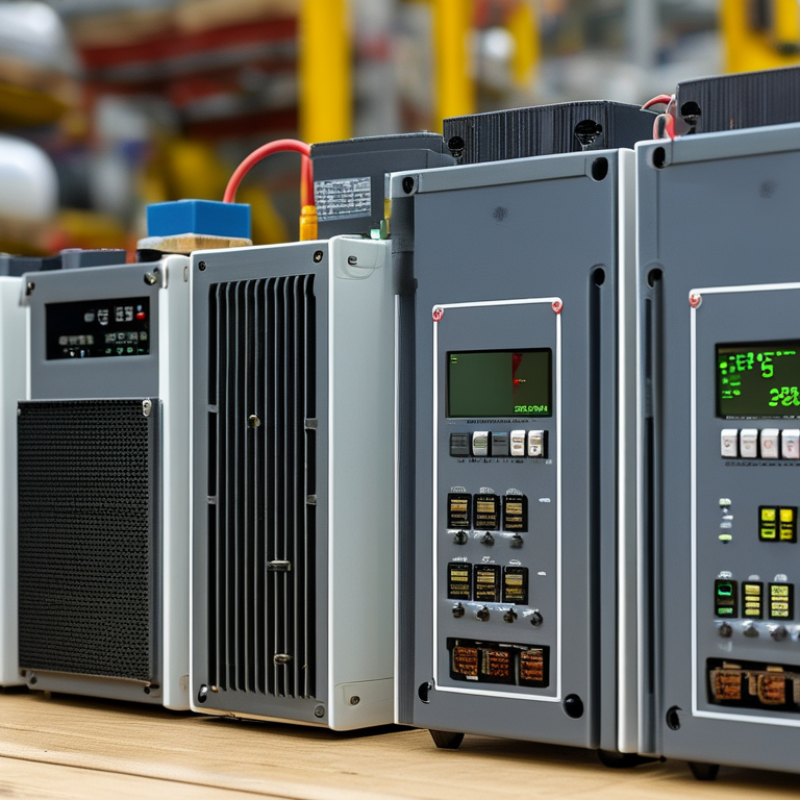
Factors to Consider When Choosing a Voltage Regulator for Global Buyers
When selecting a voltage regulator, global buyers must consider several critical factors. Understanding application requirements is vital. Different devices require specific voltage levels and current ratings. A study by the International Electrotechnical Commission states that improper voltage selection can lead to equipment failure in up to 25% of cases. Pay attention to efficiency ratings, as this affects performance and energy costs. Higher efficiency typically results in lower heat generation and increased longevity.
Environmental conditions also play a significant role. Voltage regulators need to withstand varying temperatures and humidity levels. A report from the IEEE suggests that environmental factors can reduce a regulator’s reliability by 15% if not properly accounted for. Compatibility with existing systems is necessary to avoid integration issues. This aspect is often overlooked, leading to unexpected downtime and additional costs.
Consider different mounting options and size constraints. These aspects are crucial in ensuring the regulator fits well within the intended design. Check for regulatory compliance, as adherence to global standards enhances product credibility. Reflecting on these factors can prevent common pitfalls in voltage regulator selection.
One tip is to evaluate user reviews and case studies. Feedback from industry professionals can offer insights into real-world performance. Testing prototypes in controlled environments beforehand may also reveal unanticipated challenges. Always stay updated with industry advancements to ensure optimal choices.
FAQS
: Consider application requirements, efficiency ratings, and environmental conditions to ensure the correct selection.
Higher efficiency reduces heat generation and prolongs the lifespan of the regulator, ultimately lowering energy costs.
Incompatibility can lead to integration issues, causing unexpected downtime and additional costs in operation.
Linear regulators are best for low-noise applications, while switching regulators suit higher power demands despite more noise.
High temperatures and humidity can reduce reliability by 15%, so it's essential to consider these aspects when selecting.
LDO regulators maintain stable voltage levels with minimal difference, ideal for battery-operated devices for energy efficiency.
Regularly review industry advancements, user feedback, and case studies to adapt to new trends in power management.
Balancing performance, cost, and size is essential yet challenging, particularly as demand for efficiency increases.
Testing can reveal unforeseen challenges, allowing for adjustments before full-scale deployment to avoid issues later.
Reflect on specific application needs, potential performance issues, and evolving technology to ensure optimal choices.
Conclusion
In the quest for the best Voltage Regulator options for global buyers in 2026, several key factors should be considered. These include the intended application, efficiency ratings, and reliability standards, which are crucial for ensuring optimal performance. A comparative analysis of various types of voltage regulators highlights their suitability for diverse applications, from industrial to consumer electronics.
Emerging trends in Voltage Regulator technology, including advancements in energy efficiency and miniaturization, are also reshaping market dynamics. Customer reviews and ratings provide valuable insights into user experiences, helping potential buyers make informed decisions. Understanding these elements is essential for selecting a high-quality Voltage Regulator that meets specific needs and adapts to evolving technological landscapes.
