In today's tech-driven world, ensuring the safety of your electronic devices is crucial. A surge protector is an essential tool for protecting your home and office equipment from unexpected power surges. These devices can shield your gadgets from voltage spikes that may cause damage.
With increasing reliance on technology, the need for reliable surge protectors grows. High-quality models can prevent costly repairs or replacements. However, understanding what to look for in a surge protector is vital. Not all surge protectors are created equal. Some may not offer adequate protection or features, leading to regrets later.
Selecting the best surge protector in 2026 involves evaluating your specific needs. Consider protection ratings, the number of outlets, and added features like USB ports. Finding the right match can be overwhelming, but it significantly impacts your device's longevity. Investing in a reputable surge protector not only enhances safety but also provides peace of mind in a world full of electronic uncertainties.
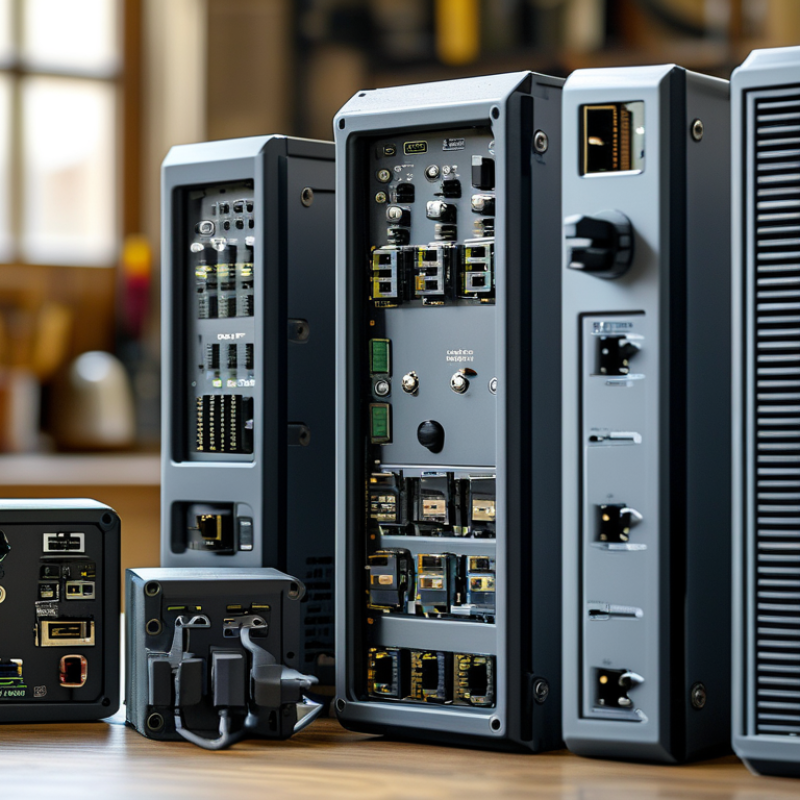
When choosing a surge protector for your home or office, several key factors must be considered. The joule rating is essential; it indicates how much energy the protector can absorb before failing. A higher joule rating generally means better protection for your devices. Look for devices that have at least 1000 joules for basic protection.
Another important feature is the response time. The faster the response time, the better the surge protector can react to voltage spikes. Prioritize surge protectors with response times of one nanosecond or less. A reliable surge protector will also include features such as indicator lights. These lights show whether the device is functioning properly, notifying you of any issues.
Evaluate the number of outlets as well. Depending on your needs, you might require multiple outlets for various devices. Consider surge protectors with USB ports for added convenience. Inspect the design for sturdy construction, as a durable model will last longer. Take the time to read reviews; user experiences can reveal the effectiveness of the product. Invest in a quality surge protector to safeguard your valuable electronics.
This chart represents the important specifications of surge protectors suitable for home and office use. The data includes the power rating, number of outlets, maximum current capacity, response time, and warranty period. Choosing the right surge protector involves considering these aspects to ensure optimal protection for your electronic devices.
When choosing a surge protector for 2026, several key features stand out. The protection rating should be a top priority. Look for devices that offer at least 1,500 joules of surge protection. This rating indicates how much energy the device can absorb before failing. Devices with higher joules provide better protection.
Another crucial feature is the number and type of outlets. A surge protector with multiple outlets can accommodate various devices. Consider USB ports as well. They enhance convenience for charging smartphones and tablets. Also, filter technology is important. Look for surge protectors with built-in noise filtration. This reduces interference and enhances performance for sensitive electronics.
The design is not just aesthetic. A compact and durable design often indicates reliability. Not all models provide adequate grounding. Ensure the device has ground fault protection. This added safety feature can prevent electrical fires. Lastly, consider warranty options. A lengthy warranty reflects the manufacturer's confidence in their product. It's a factor worth noting in your decision-making process.
When selecting a surge protector, understanding the options available is essential. Various brands offer different features tailored for home and office use. Some surge protectors come equipped with USB ports, making them convenient for charging devices. Others boast higher joule ratings, indicating better protection against spikes. It's vital to analyze these specifications before making a choice.
Comparing models can reveal surprising differences. Some protectors have advanced technology that filters noise, leading to improved device performance. However, not all models achieve this. Performance claims may not always align with real-world use. Observing user reviews can provide insight into reliability. Many users appreciate those units that last without needing replacements.
Design is another crucial aspect. A surge protector's layout should suit your workspace. Units with rotating outlets allow for better usage of space. Yet, this feature may not be available in every brand. Prospective buyers should consider their specific needs. Gathering this information helps in making an informed choice.
When selecting a surge protector, safety ratings and certifications are crucial. Look for products that have been tested by reputable organizations. These certifications ensure that the device meets strict safety standards. UL (Underwriters Laboratories) and ETL (Intertek) are two of the most recognized certifying bodies. A surge protector with these marks indicates that it has undergone thorough testing for safety and reliability.
Beyond certifications, pay attention to the joule rating. This rating reflects the amount of energy the surge protector can absorb before failure. Higher ratings typically mean better protection. Consider your specific needs, too. If you have multiple devices, a surge protector with multiple outlets and USB ports may be beneficial. However, some models may fall short in terms of speed or connectivity. It's essential to assess what features are genuinely necessary for your workspace or home.
Lastly, not all surge protectors are created equal. Some may offer impressive specifications but lack in user-friendly features. Reviews can provide insights into real-world performance. Some users may report issues that go unnoticed in technical specifications. Therefore, do extensive research and read multiple sources before making a decision. Your safety and device protection depend on it.
Surge protectors are essential for safeguarding your electronics. However, their effectiveness can diminish over time. Maintaining and testing your surge protector ensures it continues to offer optimal protection. Research indicates that up to 60% of surge protectors lose their capability after three to five years. This degradation often goes unnoticed by users.
Regular testing can help identify issues early. A simple voltage meter can indicate the protector's status. If the readings are off, replacement may be necessary. Additionally, visual inspections should be part of your routine. Look for any signs of wear, such as frayed cords or burn marks. These are clear indicators of potential hazards.
User habits also play a significant role in a surge protector's lifespan. Frequent power outages can stress the device. Some users may not consider this risk until it’s too late. Keeping your surge protector in a location away from moisture and heat sources extends its life. A proactive approach can lead to better protection for your valuable devices.
: Understand available options and features tailored for home or office use. Look for USB ports or higher joule ratings.
There are surprising differences. Some filter noise for better performance, while others may not deliver on claims.
They provide insights into reliability and longevity. Users often prefer units that last without needing replacements.
Make sure its layout suits your workspace. Rotating outlets can improve space usage, but not all models have this.
Regular testing is essential. Up to 60% lose effectiveness in three to five years, often without users noticing.
Conduct visual inspections for frayed cords or burn marks. These signs indicate potential hazards requiring immediate attention.
Frequent power outages can strain the device. Many overlook this risk until complications arise.
Keep it away from moisture and heat sources. A proactive approach helps extend its life and protect devices.
A simple voltage meter can indicate its status. If readings are off, it may be time for a replacement.
Many ignore regular testing and maintenance, leading to diminished effectiveness over time. Awareness is crucial for protection.
When selecting the best surge protector for your home and office in 2026, it’s crucial to consider key features such as joule rating, response time, and the number of outlets available. A reliable surge protector should not only safeguard your electronic devices against voltage spikes but also offer additional functionalities like USB ports and built-in circuit breakers.
Furthermore, understanding the safety ratings and certifications associated with surge protectors can aid in making an informed decision. Regular maintenance and testing of your surge protector will ensure its optimal performance, prolonging the lifespan of your devices. By following these guidelines, you can effectively protect your home and office equipment from potential surges.
