10 Best Energy Meters for Global Buyers
Choosing an Energy Meter for international use requires more than comparing prices and display sizes. Global buyers must examine accuracy, communication protocols, installation conditions, and long-term support. A meter that performs well in a dry factory may struggle in a humid coastal plant. That detail matters.
Amory Lovins, a respected energy-efficiency expert, reminds buyers: “The cheapest energy is the energy you don’t use.” Reliable measurement helps reveal where energy disappears. It can identify an overloaded circuit, a poorly timed machine, or a rising nighttime load. These findings support practical decisions, not attractive assumptions.
This guide reviews ten Energy Meter options for different markets and operating environments. It considers single-phase and three-phase systems, current transformer compatibility, Modbus connectivity, cloud access, and readable displays. Safety certifications and local installation requirements also deserve careful attention. Specifications can look impressive. Real performance still depends on wiring, calibration, network stability, and installer skill.
No single model suits every buyer. That is the uncomfortable part. A low-cost meter may satisfy a small workshop, while a factory needs stronger logging and integration. Some products promise smart analytics but offer limited support after purchase. Buyers should verify test reports, warranty terms, software access, and replacement availability before ordering. This comparison aims to make that process clearer, while recognizing one limitation: product data can change across regions. A final site assessment remains essential.
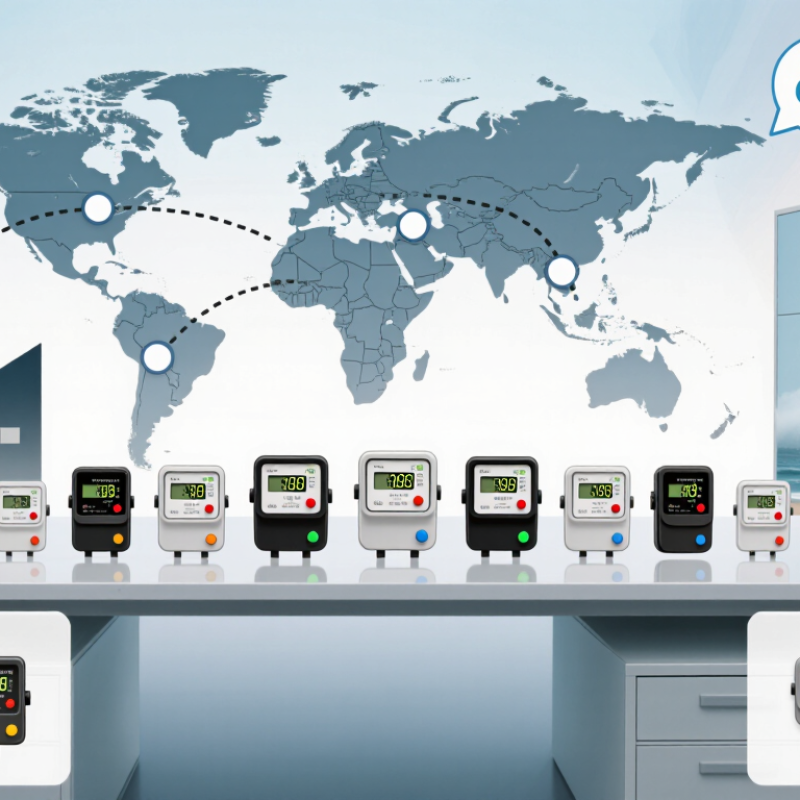
Energy Meter Fundamentals: kWh, Accuracy Classes, and IEC 62053-21 Data
Energy Meter Fundamentals: kWh, Accuracy Classes, and IEC 62053-21 Data
For global buyers, an energy meter is more than a screen showing numbers. It records active energy in kilowatt-hours, or kWh. One kWh equals 1,000 watts used for one hour. A 2 kW heater running for 30 minutes consumes about 1 kWh. This simple calculation helps verify meter readings during commissioning.
IEC 62053-21 covers static meters for active energy, including accuracy classes 1 and 2. The class indicates permitted measurement error under defined test conditions. It does not guarantee identical performance in every installation. That point is easy to overlook.
A class 1 meter may be suitable for many commercial panels, while class 2 can fit less demanding monitoring tasks. However, current transformers, loose terminals, voltage distortion, temperature, and low loads can affect results. I have seen readings drift when installation practices were treated as minor details. They were not minor.
Buyers should check the meter’s rated voltage, frequency, current range, wiring method, impulse requirements, and test certificates. IEC compliance claims should be supported by traceable documentation, not only a product label. Even good specifications need field verification.
Tips: Compare readings with a calibrated reference meter during commissioning. Test normal and low-load conditions. Check phase sequence and terminal torque. Review the full datasheet, especially accuracy limits and operating temperature. A short trial can expose assumptions before they become billing disputes.
FAQS
It measures active electrical energy in kilowatt-hours, or kWh. One kWh equals 1,000 watts used for one hour. A 2 kW heater running for 30 minutes uses about 1 kWh. This gives buyers a practical commissioning check.
They indicate permitted measurement error under defined test conditions. Class 1 generally supports more demanding measurements than class 2. However, the class does not guarantee identical field performance. Installation conditions still matter.
Not always. Class 1 may suit many commercial panels, while class 2 may suit basic monitoring. The correct choice depends on load conditions, regulations, and billing needs. A higher class cannot fix poor wiring.
Loose terminals, incorrect wiring, voltage distortion, temperature, and low loads can affect readings. Current transformers also require correct selection and installation. Check phase sequence and terminal torque carefully. Small mistakes become expensive later.
Check rated voltage, frequency, current range, wiring method, impulse requirements, operating temperature, and accuracy limits. Review the complete datasheet. Do not rely on a front-panel label alone.
Compare the meter with a calibrated reference meter. Test low, medium, and normal loads. Check phase sequence and terminal tightness. A short trial may expose hidden assumptions. It may not reveal every long-term issue.
IEC 62053-21 covers static meters for active energy. It includes accuracy classes 1 and 2. Buyers should also review related general requirements and testing information. Compliance claims need traceable supporting documents.
No. Regional requirements may differ. North American applications can use different accuracy and testing methods. European billing applications may require suitable conformity routes, markings, and sealing. Local grid rules may add inspections or approved installers.
Compare calibration records, environmental testing, tamper detection, and long-term stability. Request test reports, not only certificates. Review sample readings across several load levels. No meter is perfect. That limitation deserves honest review.
Conclusion
This guide to the 10 Best Energy Meters for Global Buyers explains the essential principles behind accurate and reliable electricity measurement. It introduces kWh calculation, accuracy classes, and the role of IEC 62053-21 data in evaluating performance. It also reviews global compliance requirements, including IEC 62052, ANSI C12.20, MID, and other measurement standards, helping buyers understand how certification affects product suitability in different markets.
The comparison focuses on practical selection criteria such as accuracy, current transformer range, IP protection, and operating temperature. It also examines connectivity options, including RS-485, Modbus, LoRaWAN, Wi-Fi, and LTE, with attention to communication reliability and system integration. Finally, the buyer selection matrix considers residential, commercial, and industrial use cases, total cost of ownership, warranty coverage, and available market data. Together, these factors provide a clear framework for choosing an Energy Meter that balances precision, compliance, connectivity, durability, and long-term value.
