As the demand for high-performance electronic systems continues to rise, the importance of selecting the right Electronic Load becomes apparent. According to a recent report by MarketWatch, the global electronic load market is projected to grow at a CAGR of 5.8% from 2023 to 2028. This growth highlights the increasing reliance on electronic loads in various industries, including automotive and telecommunications.
Expert Dr. James Carter, a leading figure in the electronic testing industry, emphasizes the significance of choosing suitable equipment for efficiency. He states, "A quality Electronic Load can drastically improve testing accuracy and reliability." This insight reflects the critical role that Electronic Loads play in product development and quality assurance.
In China, numerous options exist for global buyers seeking Electronic Loads that meet various testing needs. However, not all products are created equal. Factors such as load capacity, response time, and safety features should be carefully evaluated. While many manufacturers offer enticing specifications, it is essential to scrutinize their real-world performance. Each choice should be informed by both technical requirements and practical feedback from end-users in diverse environments.
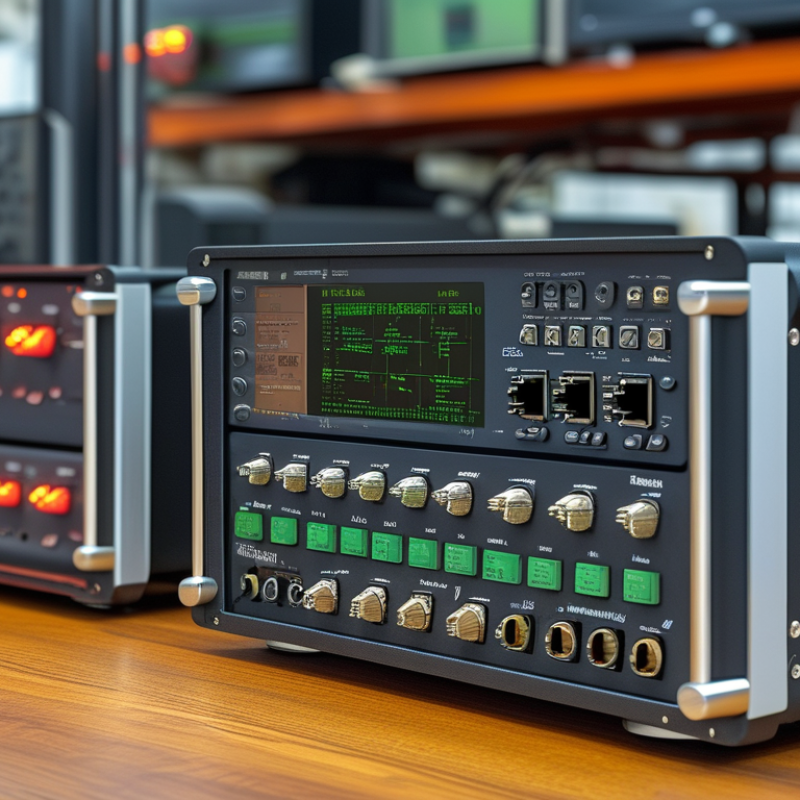
What Defines the Best Electronic Load for Global Buyers in China?
When evaluating the best electronic load for global buyers in China, several factors come into play. Load capacity is a critical metric. Applications often demand at least a 100A rating. The ability to handle high power levels without overheating is essential. According to industry reports, about 70% of electronic loads in use today fluctuate between 1kW to 10kW.
Precision and reliability are vital. Manufacturers must ensure the electronic load delivers accurate measurements consistently. Variations in load voltage and current can lead to significant test discrepancies. A report by the International Test Equipment Association highlights that nearly 40% of buyers prioritize measurement accuracy when selecting equipment.
Affordability also matters, though it shouldn't compromise performance. Some options may appear cheaper but might lack essential features. Inconsistent build quality can lead to increased maintenance costs. Buyers often reflect on their choices when they face unexpected failures or inaccuracies, illustrating the importance of comprehensive research before purchase.
Market Demand Trends for Electronic Loads in the Chinese Industry
The demand for electronic loads in China has surged in recent years. This growth is largely driven by the increasing focus on renewable energy and electric vehicles. Industries are now looking for reliable testing solutions that ensure safety and efficiency. As a result, manufacturers are investing in versatile electronic load devices. These devices offer features to simulate various loads and test power supplies effectively.
Another trend is the rise in customization. Many companies seek electronic loads tailored to specific applications. This need reflects the diversity of industries, including telecommunications, automotive, and consumer electronics. While standardized products are available, the push for specialized features is significant. However, this customization can lead to complexities in production and supply chains. Companies must carefully balance between standard offerings and bespoke solutions.
Moreover, there's uncertainty in market fluctuations. The rapid technological advancements create a challenge for manufacturers. Keeping pace with innovations is crucial. Yet, navigating these changes can lead to confusion and potential misalignments in customer expectations. Companies are advised to remain agile and responsive, understanding that the landscape is constantly evolving. Addressing these market trends effectively requires ongoing assessment and adaptation.
What is the Best Electronic Load for Global Buyers in China? - Market Demand Trends for Electronic Loads in the Chinese Industry
| Application |
Power Range (W) |
Voltage Range (V) |
Current Range (A) |
Market Demand (Units per Year) |
| Battery Testing |
0-2000 |
0-60 |
0-30 |
50,000 |
| Renewable Energy Systems |
0-5000 |
0-120 |
0-40 |
30,000 |
| Consumer Electronics |
0-1000 |
0-24 |
0-20 |
75,000 |
| R&D Testing |
0-3000 |
0-48 |
0-25 |
40,000 |
| Automotive Testing |
0-5000 |
0-240 |
0-60 |
25,000 |
Key Technical Specifications to Consider in Electronic Loads
When selecting an electronic load, a few key technical specifications can significantly impact usability and performance. One critical factor is the load range. It defines how much current the device can handle, with various models supporting different ranges. Ensure the load capacity aligns with your testing requirements. Too low a range may lead to inaccurate testing results.
Another essential specification is the response time. A quick response time allows the load to adapt efficiently to changes in the tested device. This is especially relevant during transient tests. Delays can skew results, potentially leading to misdiagnoses or poor product designs.
Lastly, consider the user interface. Intuitive controls simplify operation, making it accessible to users with varying expertise levels. Complicated interfaces can hinder effective testing and lead to errors. Balancing technical prowess with user-friendly design is vital in selecting the right electronic load. The right choice ensures reliable testing, enhancing overall performance evaluation.
Top Brands and Models of Electronic Loads Preferred by Chinese Buyers
When it comes to choosing electronic loads in China, several brands are highly regarded. Buyers often look for models that balance reliability, precision, and affordability. Popular features include adjustable current and voltage settings. These allow for a broad range of testing scenarios. Users appreciate models that display real-time data. This feedback helps in analyzing the performance of their power sources.
Chinese consumers also value customer support and documentation. An understanding of product specifications is crucial. Buyers often report that some models can be complicated to operate. Proper guidance can significantly enhance the user experience. Manufacturers that provide comprehensive manuals and responsive customer service tend to earn more trust.
Additionally, some brands offer innovative features, like network connectivity. This allows users to monitor tests remotely. However, not all models are user-friendly. Some may lack intuitive interfaces, leading to frustration. It is essential to reflect on these challenges when selecting the right electronic load for specific needs.
Comparative Analysis of Price and Performance for Best Sellers in China
When selecting an electronic load in China, two factors stand out: price and performance. Various models vary significantly in cost, reflecting differences in technology and features. A recent industry report indicates that the price range for popular electronic loads in China typically spans from $80 to $2,500. Entry-level units often handle basic tasks well. However, they might struggle with more demanding applications.
Performance is equally crucial. In 2023, a comparative analysis showed that high-end models can manage power levels surpassing 2000W. Yet, these models are often overkill for smaller projects. Users should assess their needs carefully. Features such as programmable settings and data logging can add value. But they also escalate costs. Additionally, many buyers report regarding the complexity of setting up these units. Frequently, users fail to utilize all available features, which compromises their investment.
Reliability is paramount when choosing an electronic load. Many products lack adequate support or clear user manuals. This leads to usability issues. It's essential to factor in long-term service options when purchasing. While some users may opt for the cheapest option, they often overlook quality. This can result in failures and lost productivity over time. Balancing cost with required performance is a challenge every buyer must navigate.
Comparative Analysis of Electronic Loads Available in China
Conclusion
The article titled "What is the Best Electronic Load for Global Buyers in China?" explores the essential features that define a top-quality electronic load for international purchasers in the Chinese market. It highlights current market trends indicating a growing demand for electronic loads across various industries, as well as the critical technical specifications that buyers should consider, such as load capacity, accuracy, and functionality.
Additionally, the article reviews the most sought-after electronic load models and brands preferred by Chinese consumers, focusing on their performance and pricing. A comparative analysis emphasizes the balance between cost and efficiency, guiding global buyers in making informed decisions when selecting electronic loads that meet their specific requirements in a competitive market.
